NY日本クラブでの講演(和紙がもたらした芸術の文脈 :英語版)
Artistic Expression through Washi – From Tradition into the Future
Special Talk Session
January 30 – February 21, 2025
The Nippon Gallery at The Nippon Club
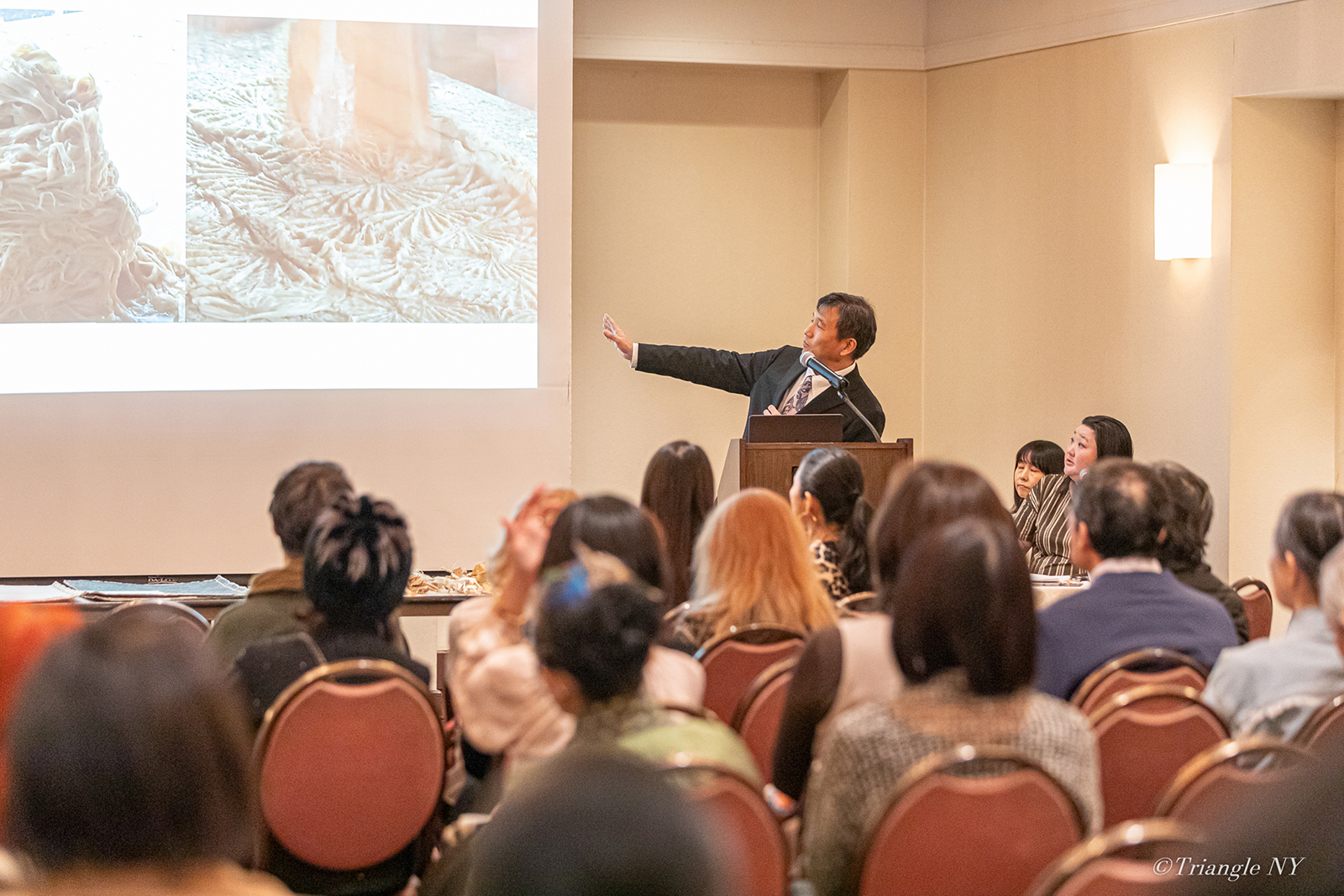
What is Washi?
“Washi (和紙)” is traditional Japanese paper processed by hand using fibers from the inner bark of the gampi tree, the mitsumata shrub (Edgeworthia chrysantha), or the paper mulberry (kōzo) bush. (Wikipedia)
What is “Paper?”
It is a substance made from wood pulp, rags, straw, or other fibrous material, usually in thin sheets, used to bear writing or printing, for wrapping things, etc. (http://dictionary.com/browse/paper)
For the purpose of this presentation, “paper” refers to thin sheets made from processed plant fibers. This is in contrast to the “papyrus” sheets used as a substrate during ancient times, which were leaves taken from trees with minimal processing.
1, The topic of this exhibition:
How has the existence of Washi shaped the context of artistic expression?
Simply put, this exhibition is about the culture that was established and matured because of washi in Japan.
In today’s lecture, I would like to talk about the artistic expression brought by Japanese washi paper as I explain about the exhibition.
2, Ingredients and how to make washi papers
Washi papers are mainly made from Kozo (paper mulberry), Mitsumata, or Gampi. The texture of the paper will be determined by which plant is used and the difference is clear.
This one is also Kozo. This is what happens when you use the part of the paper mulberry that has a lot of its unique green skin.
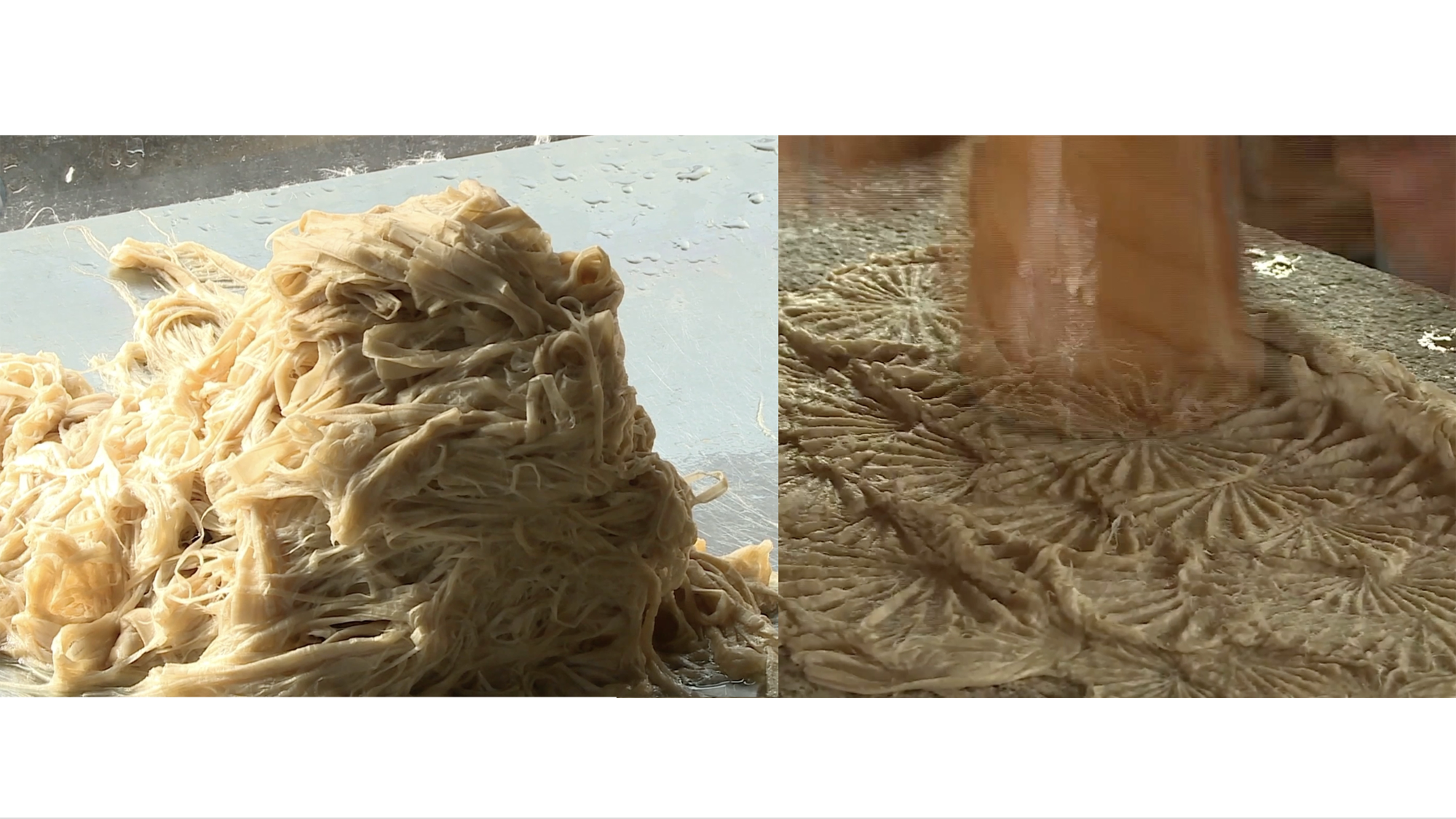
[Photo 2] Hand-beating of Kozo. The white inner bark (Shirokawa)
This one is also Kozo. This is what happens when you use the part of the paper mulberry that has a lot of its unique green skin.
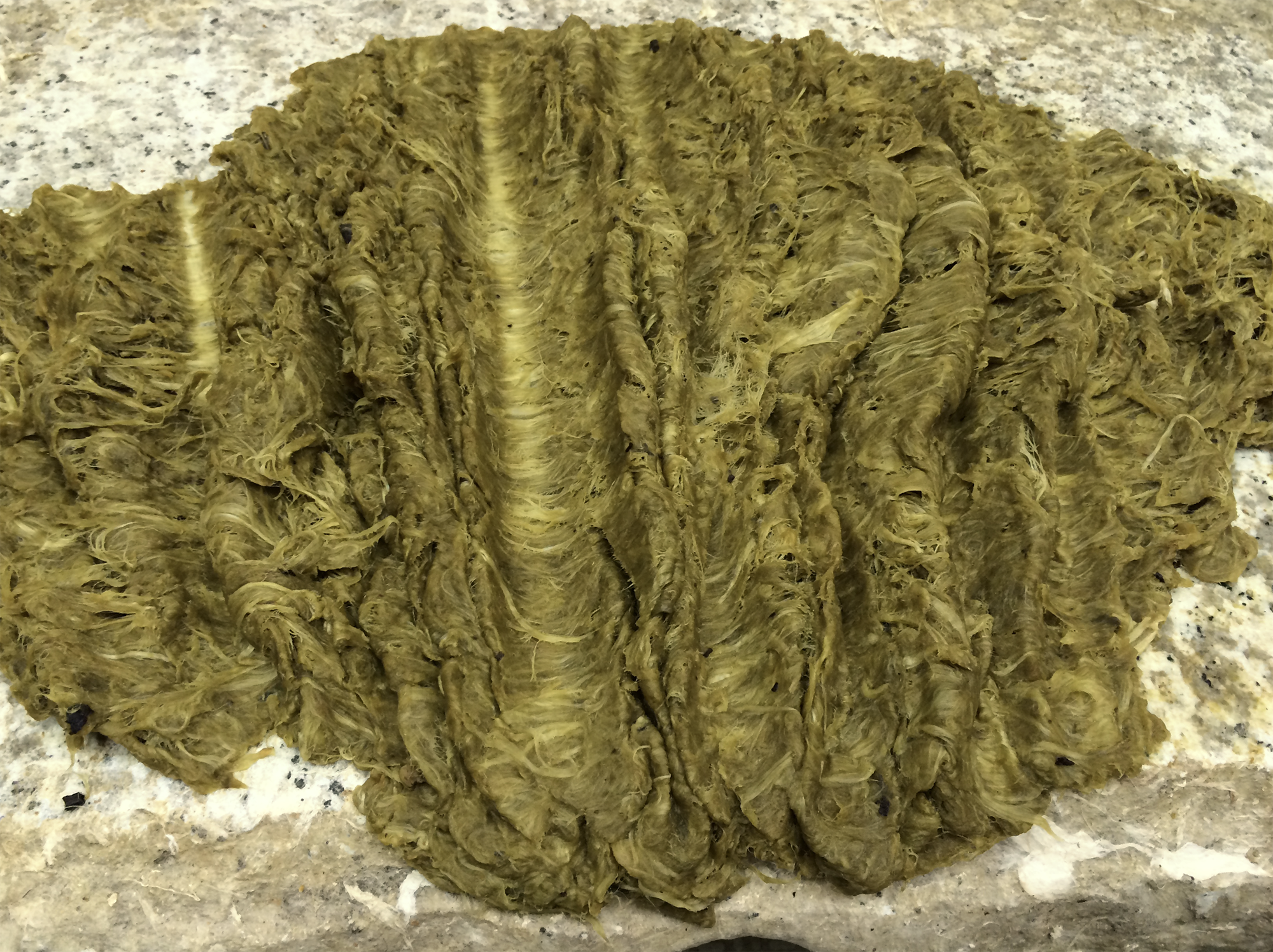
[Photo 3] The green layer of the inner bark (Amakawa) .
This is a photo of Washi atelier in our university.
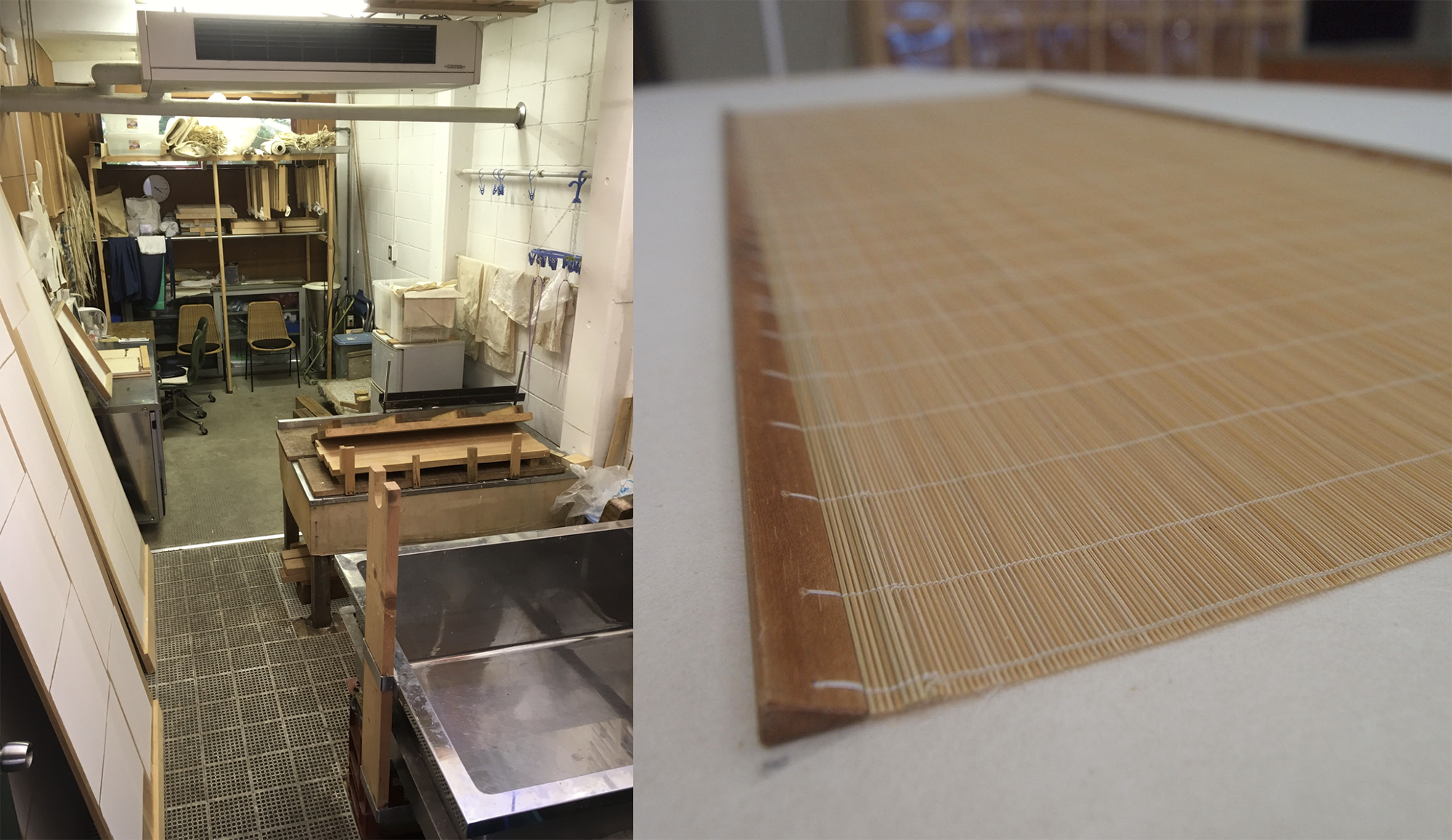
[Photo 4] Washi Workshop established at Aichi University of the Art
Washi papers developed over the years made by the combination of the power of humans and the power of nature. A person’s power lies in their handiwork and sensitivity.
The power of nature is all based on the power of nature, including materials and methods that are tailored to the climate of each region of Japan. These include plant resources, water, fire (heat), wood ash (alkaline component), etc.
This is when you are drying the paper. If you dry it thoroughly under sunlight, it will become crispy and white in color.
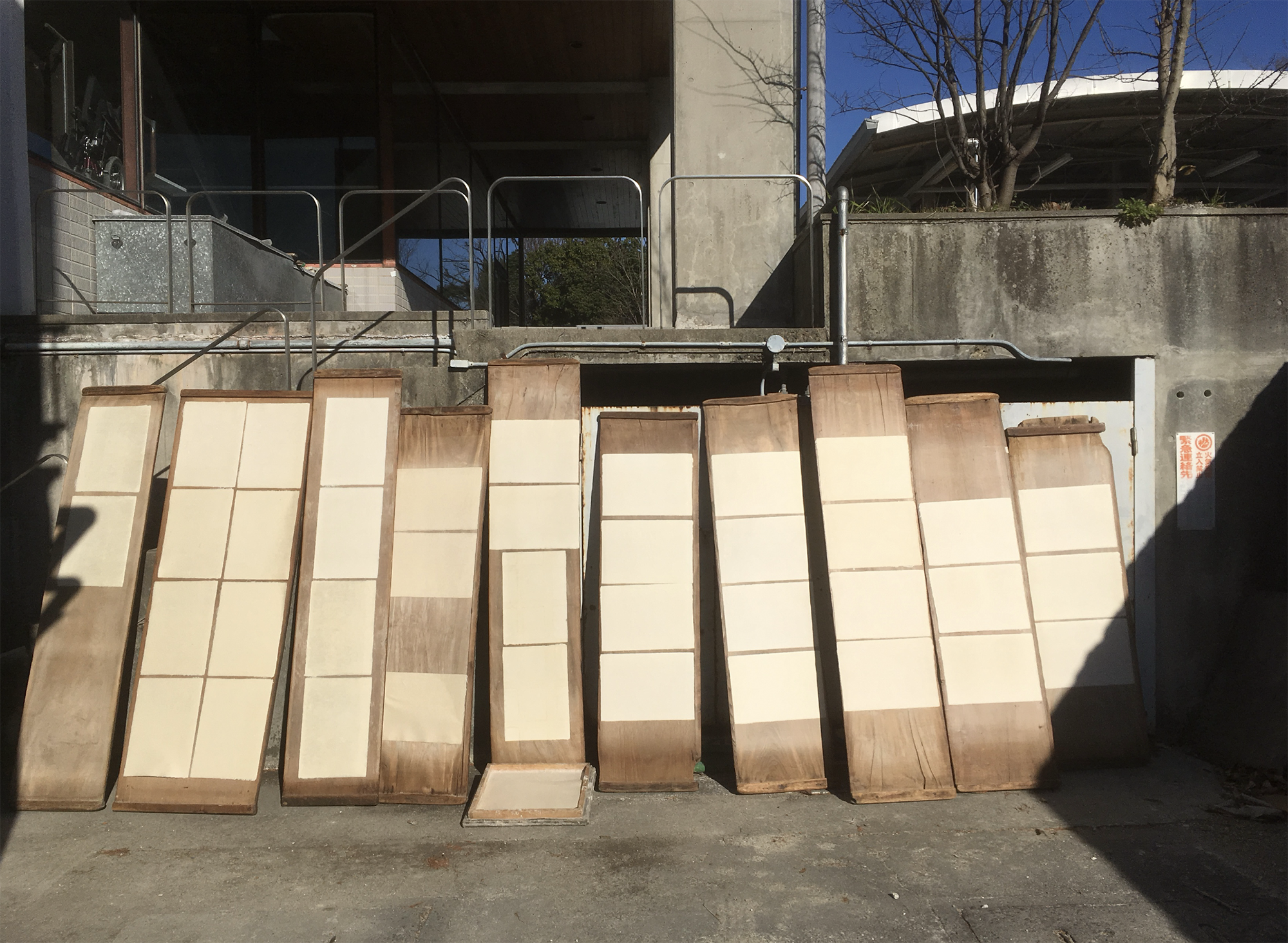
[Photo 5] Itaboshi of Kozo paper (method of drying Kozo paper by pasting it onto wooden boards and exposing it to sunlight).
Everyone, please look at these cards we are handing out to you.
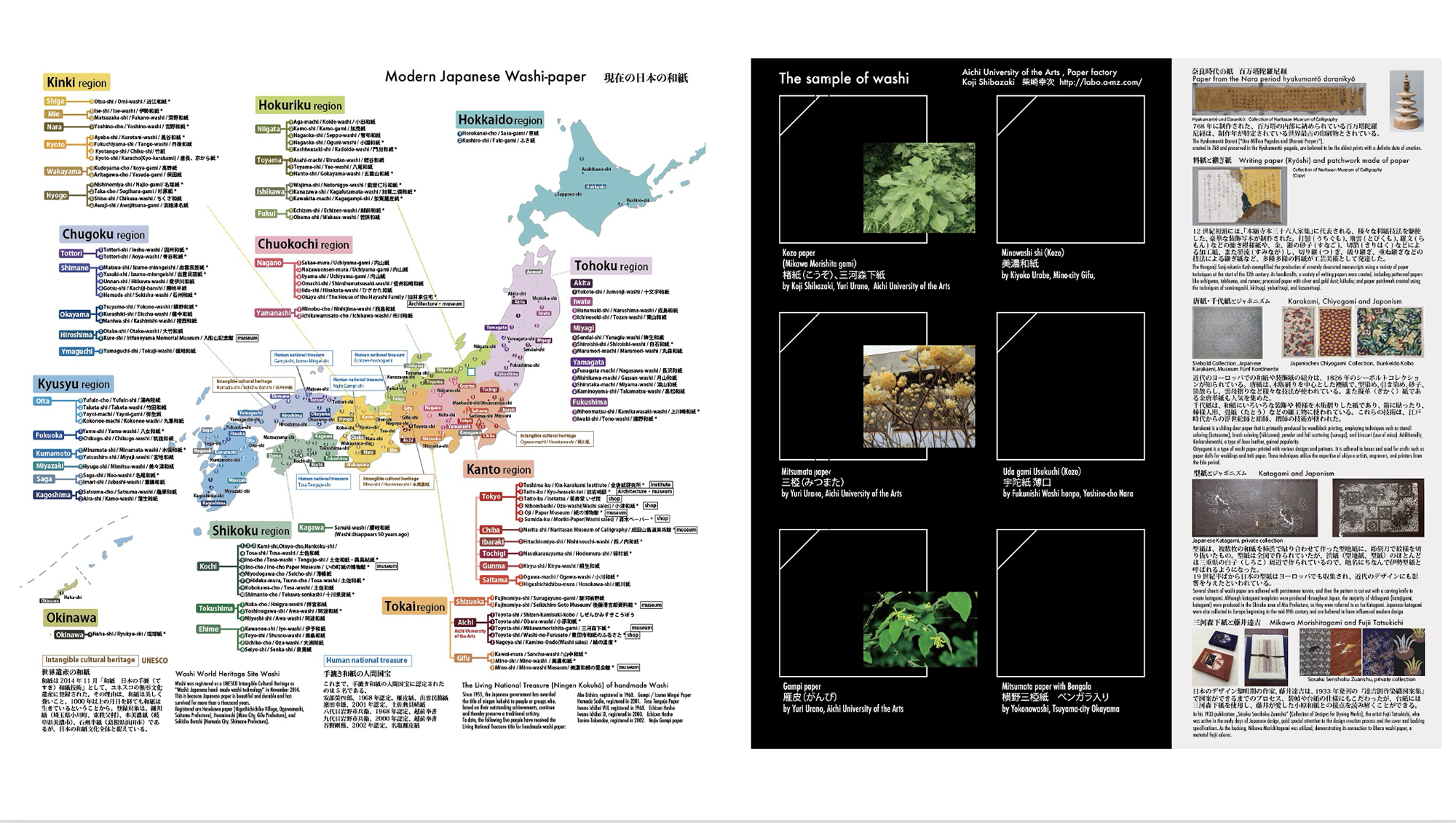
[Figure 1] The card we handed out to the audience at the lecture.
These cards are the newest version of the Japanese washi samples.
I will explain more using these washi cards. Like I said before, one of the characteristics of Washi papers is that they are thin, but very strong.
We have prepared for you 6 pieces of paper.
Please take a look and see which ones are made from Kouzo, Mitsumata, or Gampi.
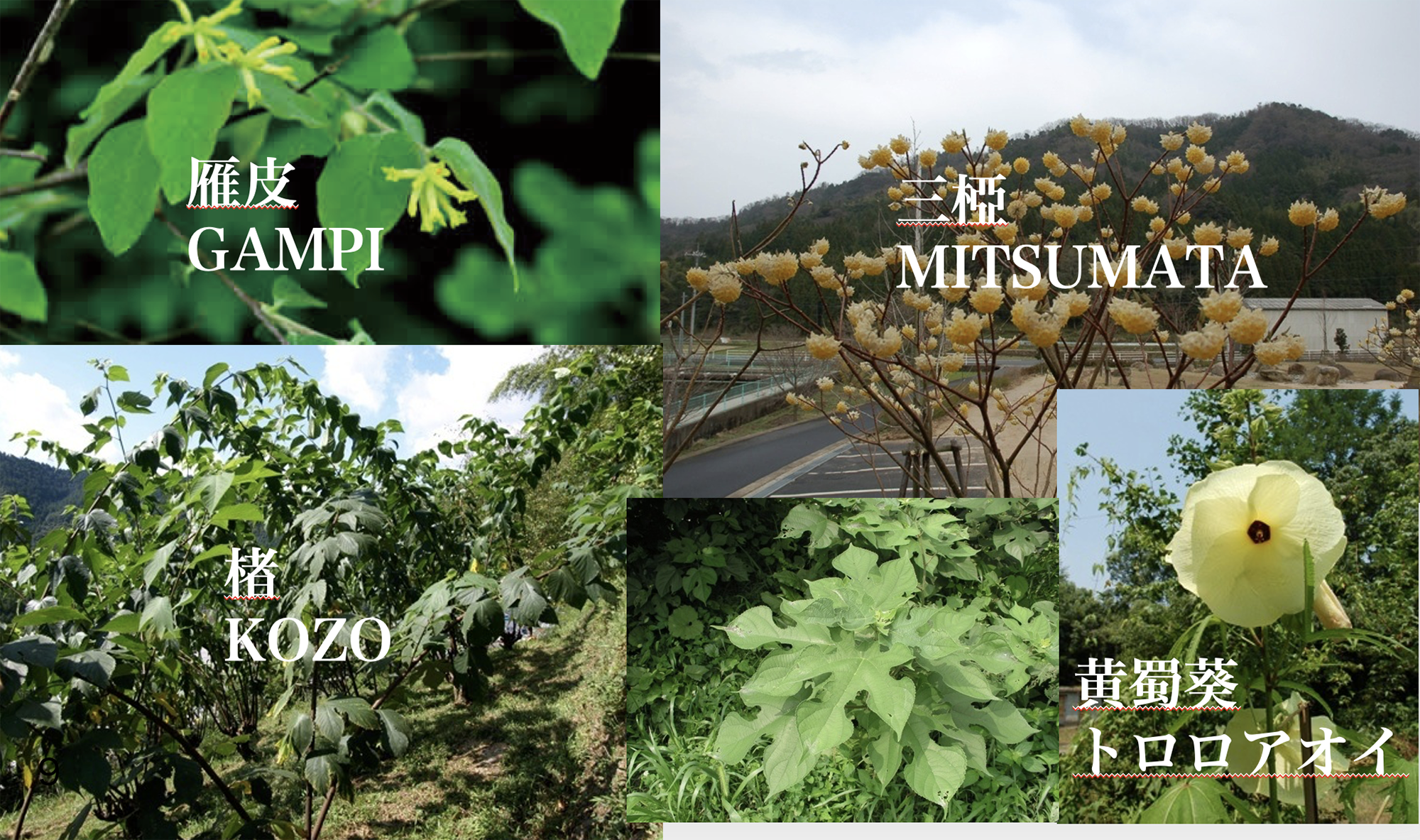
[Photo 6] The raw materials (ingrediencts) to create washi papers.
We also prepared some special papers for you and they are Kouzo paper which is called Mino washi (washi paper made in Mino region which is the South part of Gifu Prefecture and a part of Toyota region in Aichi Prefecture.), Udagami which is made with hakudo clay from Nara Prefecture, Yokono Mitsumata paper with bengala, red iron oxide or red ocher from Okayama Prefecture.
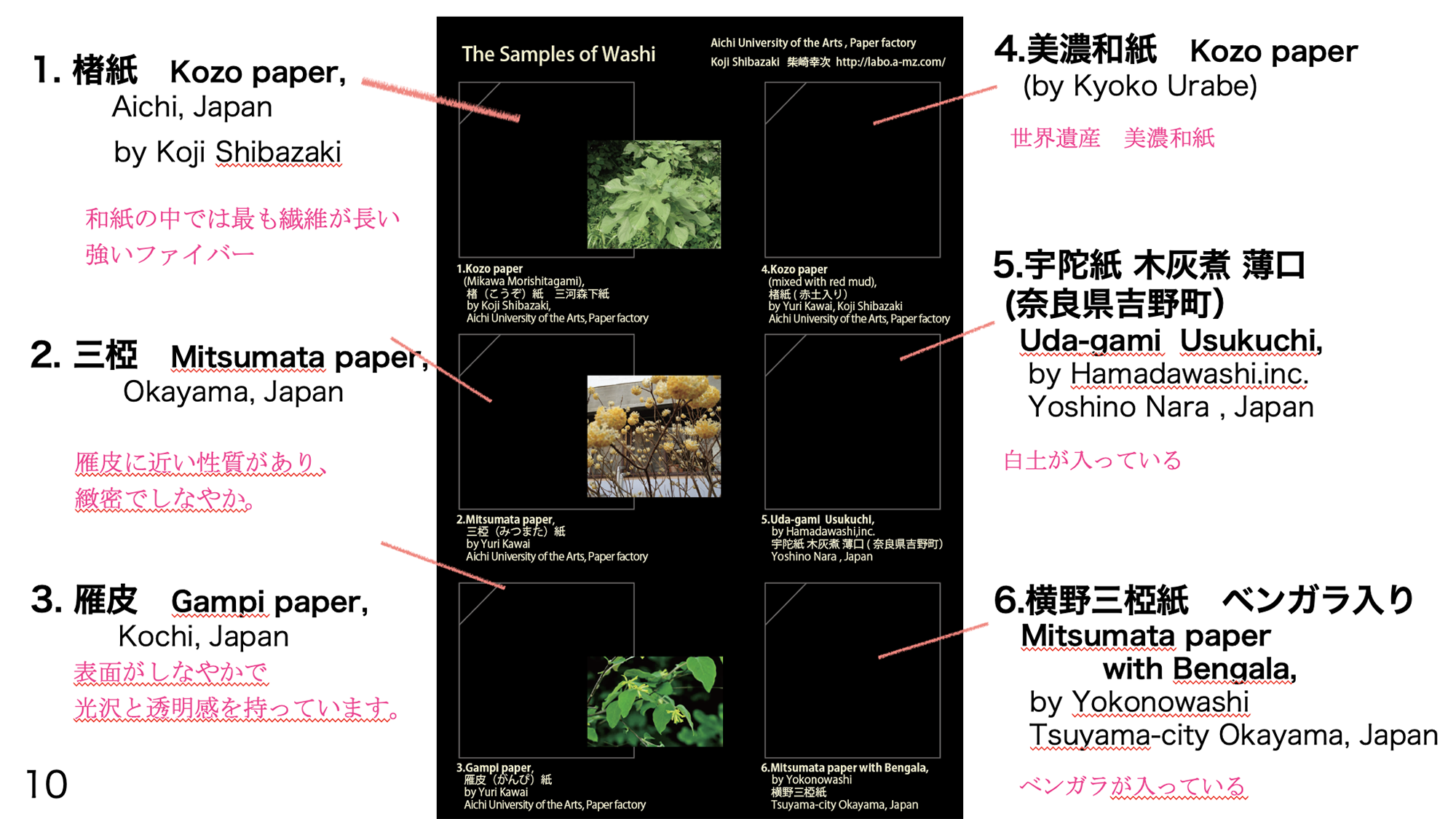
[Figure 2] Some samples of washi and their explanations.
3, Tororo aoi and “Neri”
This is tororo aoi or tororo mallow. They contain a sticky substance called neri which is very similar to okra’s stickiness. This is my field and I grow these tororo aoi myself.
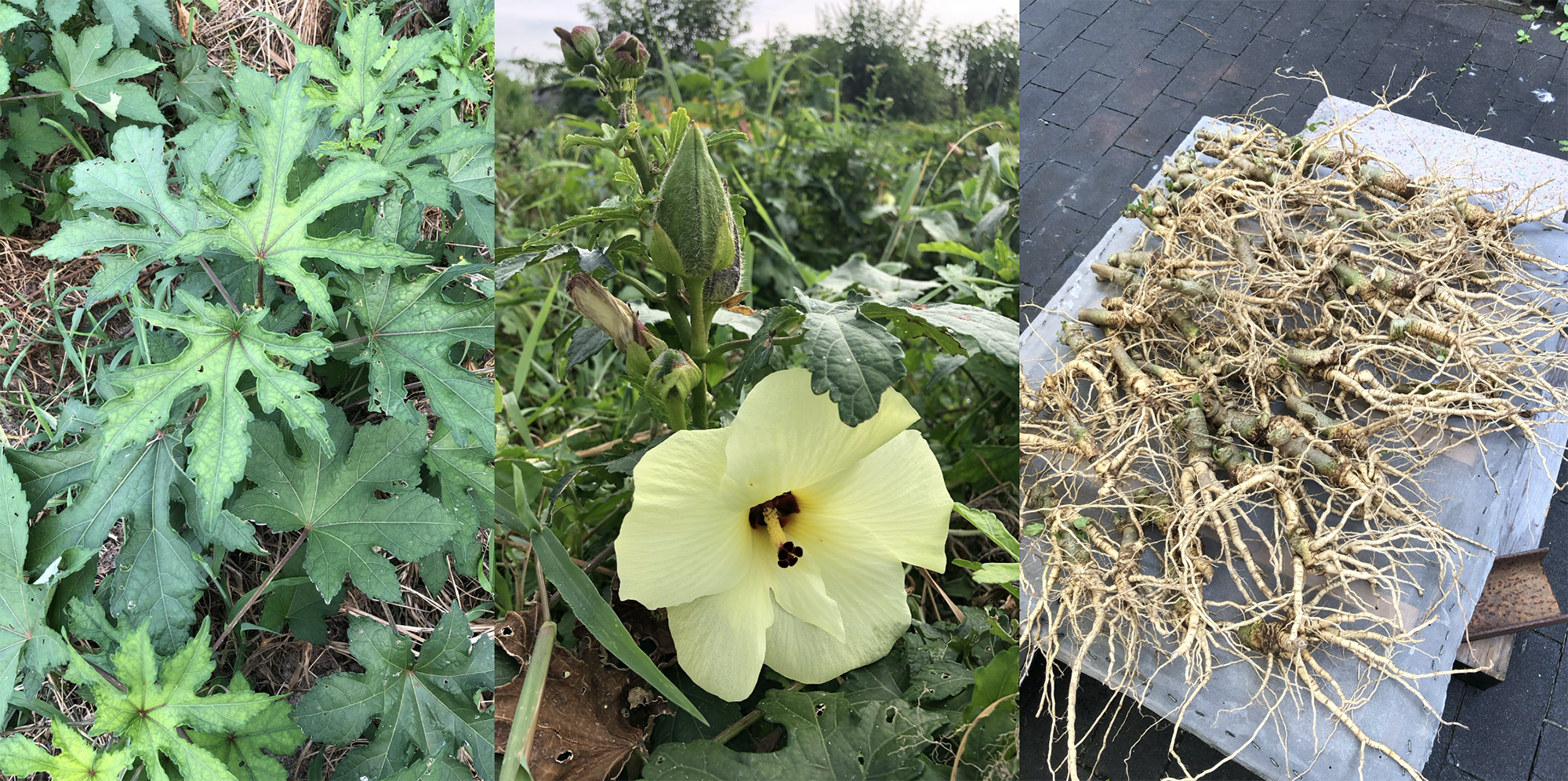
[Photo 7] Raw materials for Washi and Tororo-aoi (Abelmoschus manihot).
This shows the process of pouring the “neri” which is a sticky substance into the water.
This is when we’re putting the sticky substance. The water is the key when it comes to how neri works. New York has soft water, so neri works better.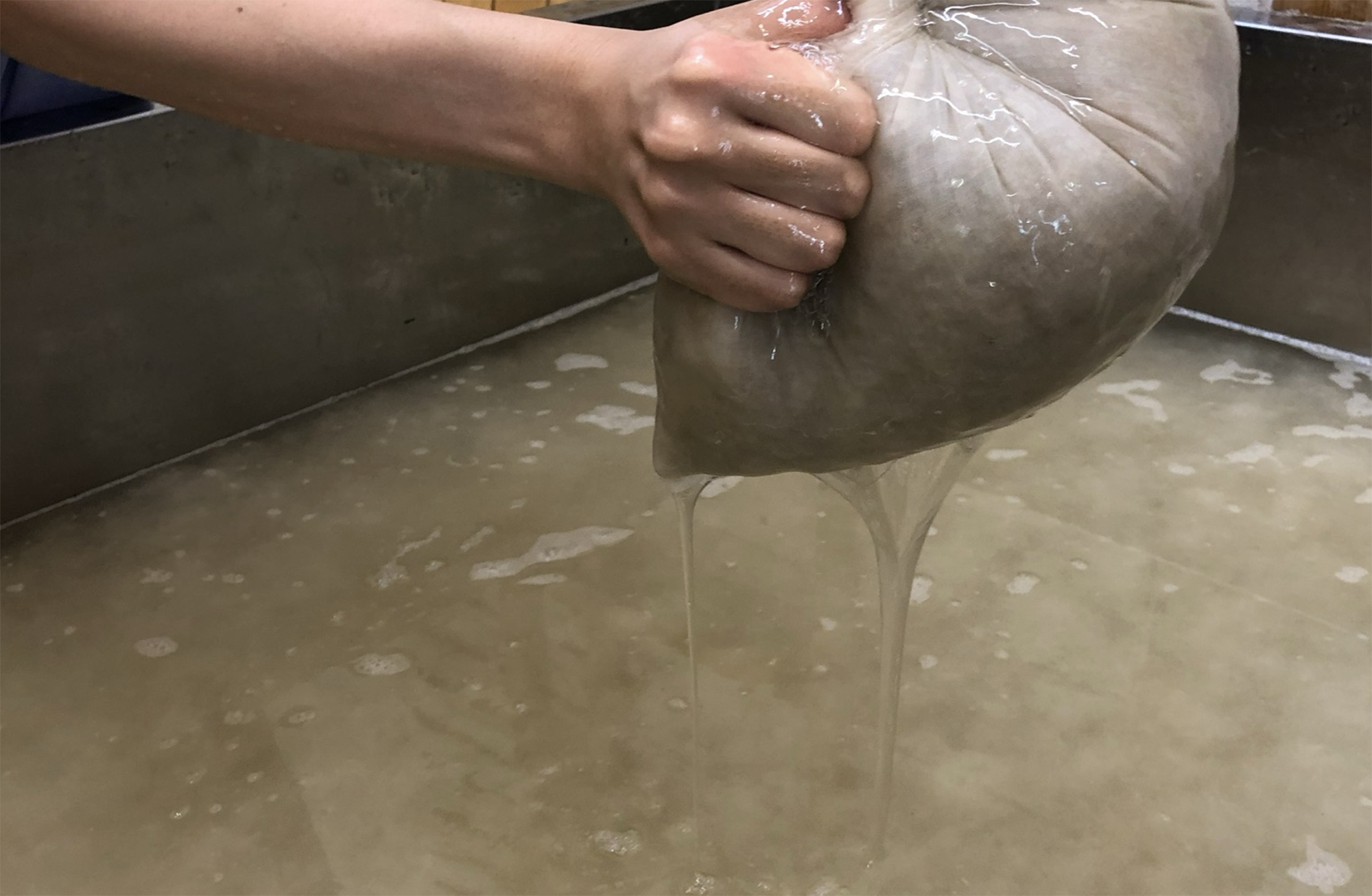
[Photo 8] The process of adding Neri (mucilage added to provide viscosity to the fibers, typically from Tororo Aoi.
This is a photo of Mr. Tomoyasu Sato working on creating washi papers. We have his sample papers and artworks as well.
4, Some of Our Research Group’s Studies
We use an ultra-high-definition microscope to take a photo of the same piece of paper as a simple photo, and let the AI learn from it through image analysis.
My research group is creating a system that allows us to understand the era of old paper by simply taking pictures with a digital camera.
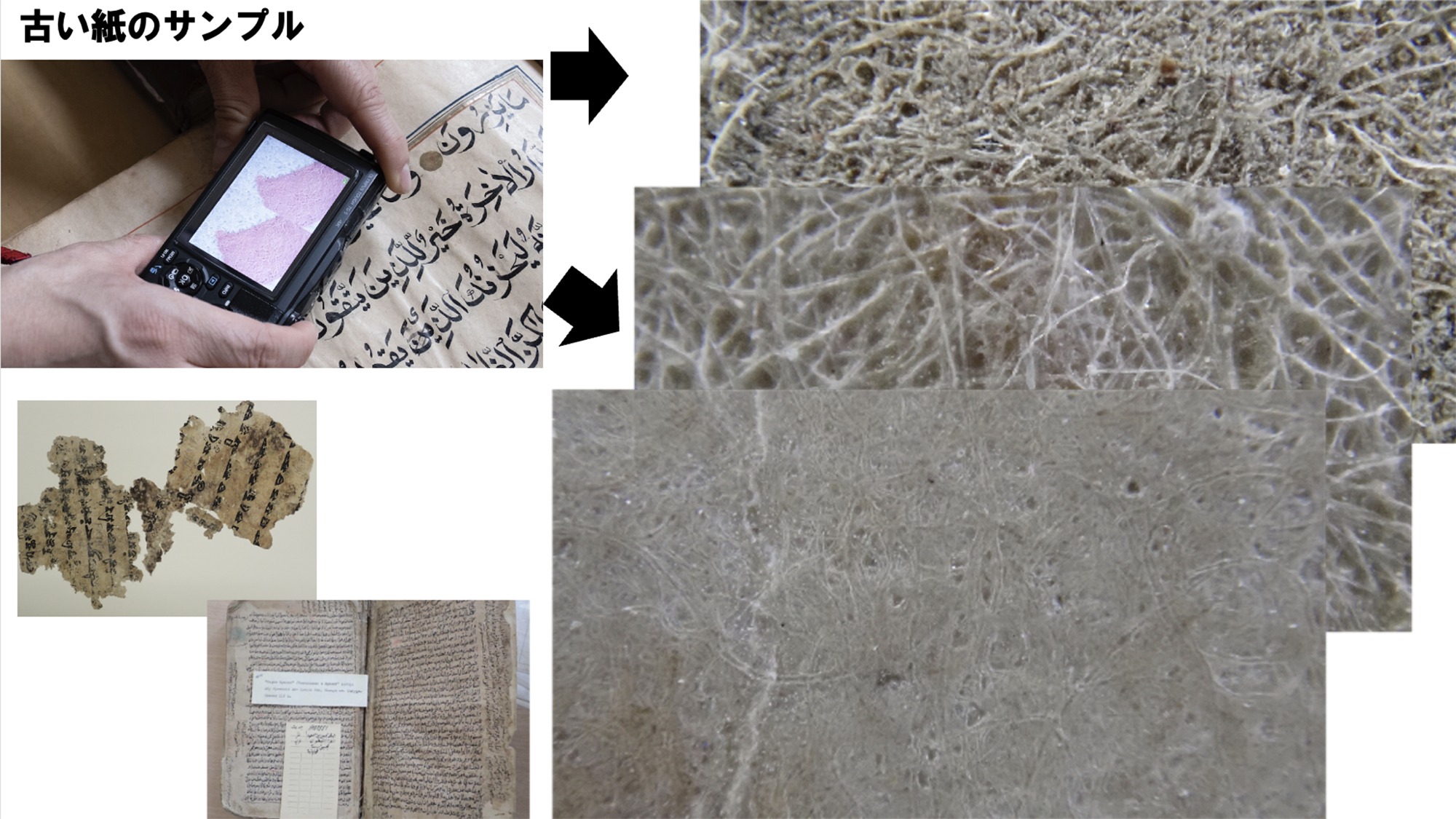
[Photo 9] Taking pictures with a regular camera, not with a high-definition camera.
We use an ultra-high-definition microscope to take a photo of the same piece of paper as a simple photo, and let the AI learn from it through image analysis.
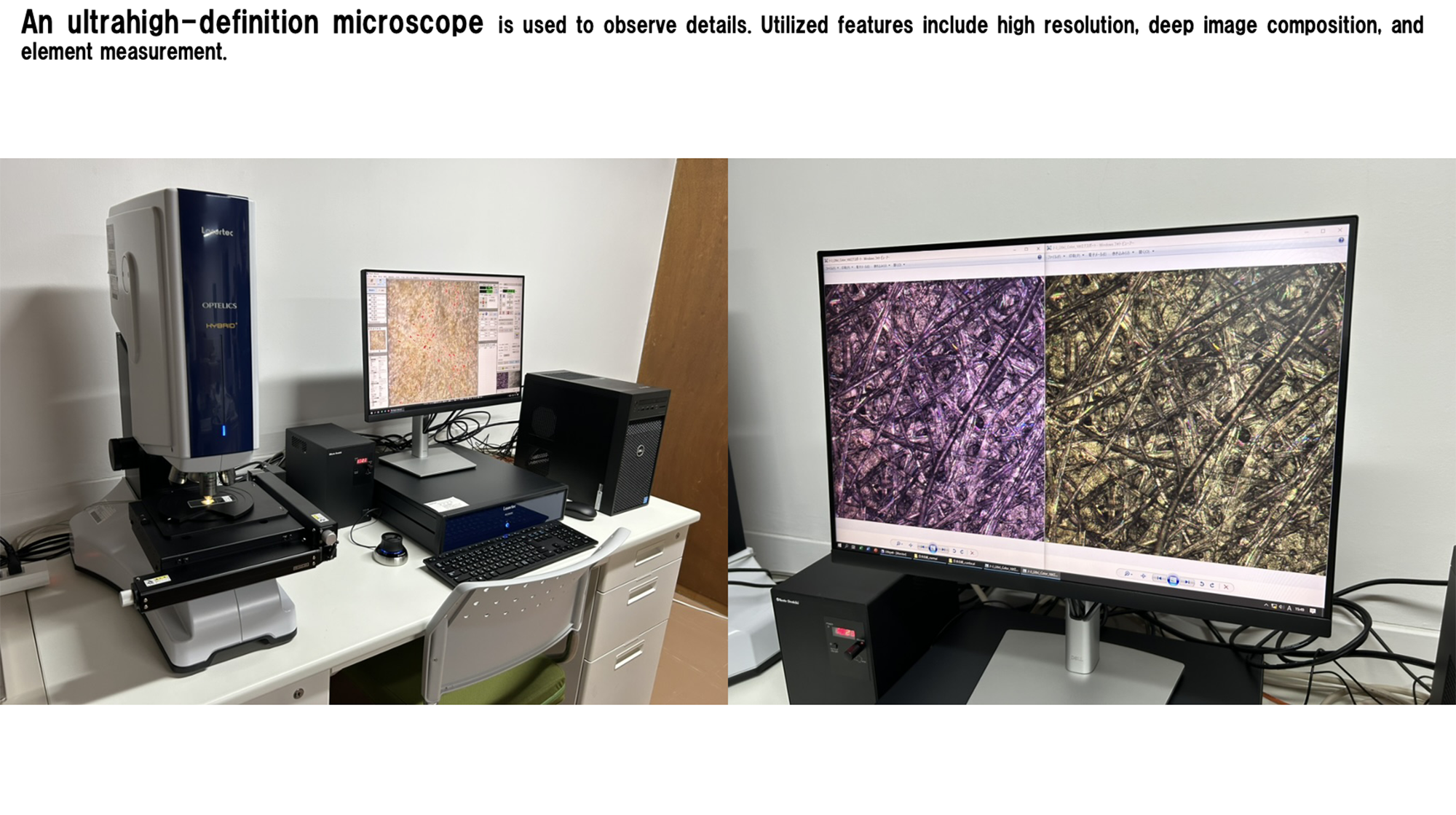
[Photo 10] This is the white light confocal microscope we use.
The width of this photo is about 300 micrometers. (0.3 millimeters)
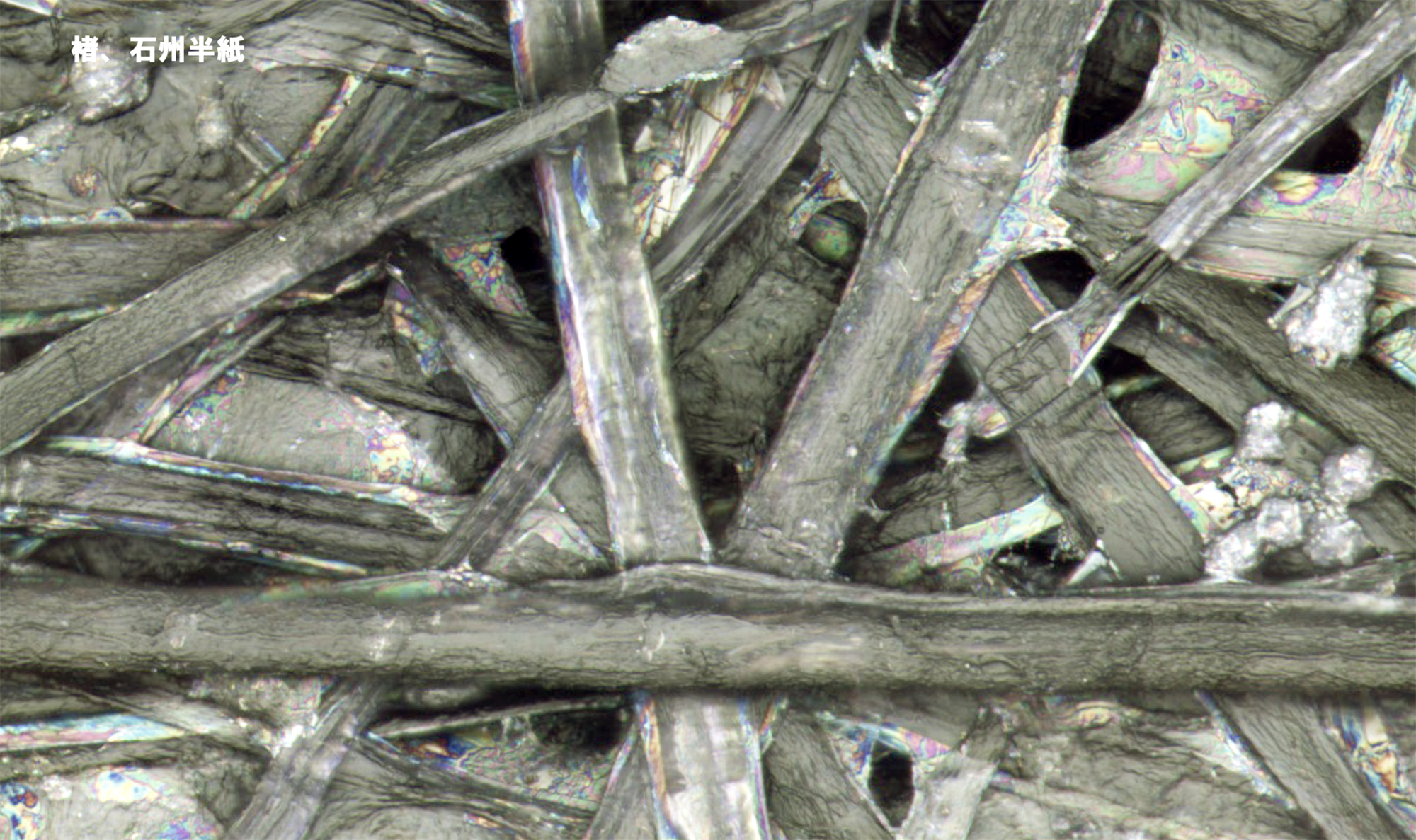
[Photo 11] Observation image of Kozo fiber pleats
These are our laboratory’s paper specimens on microscope slides.
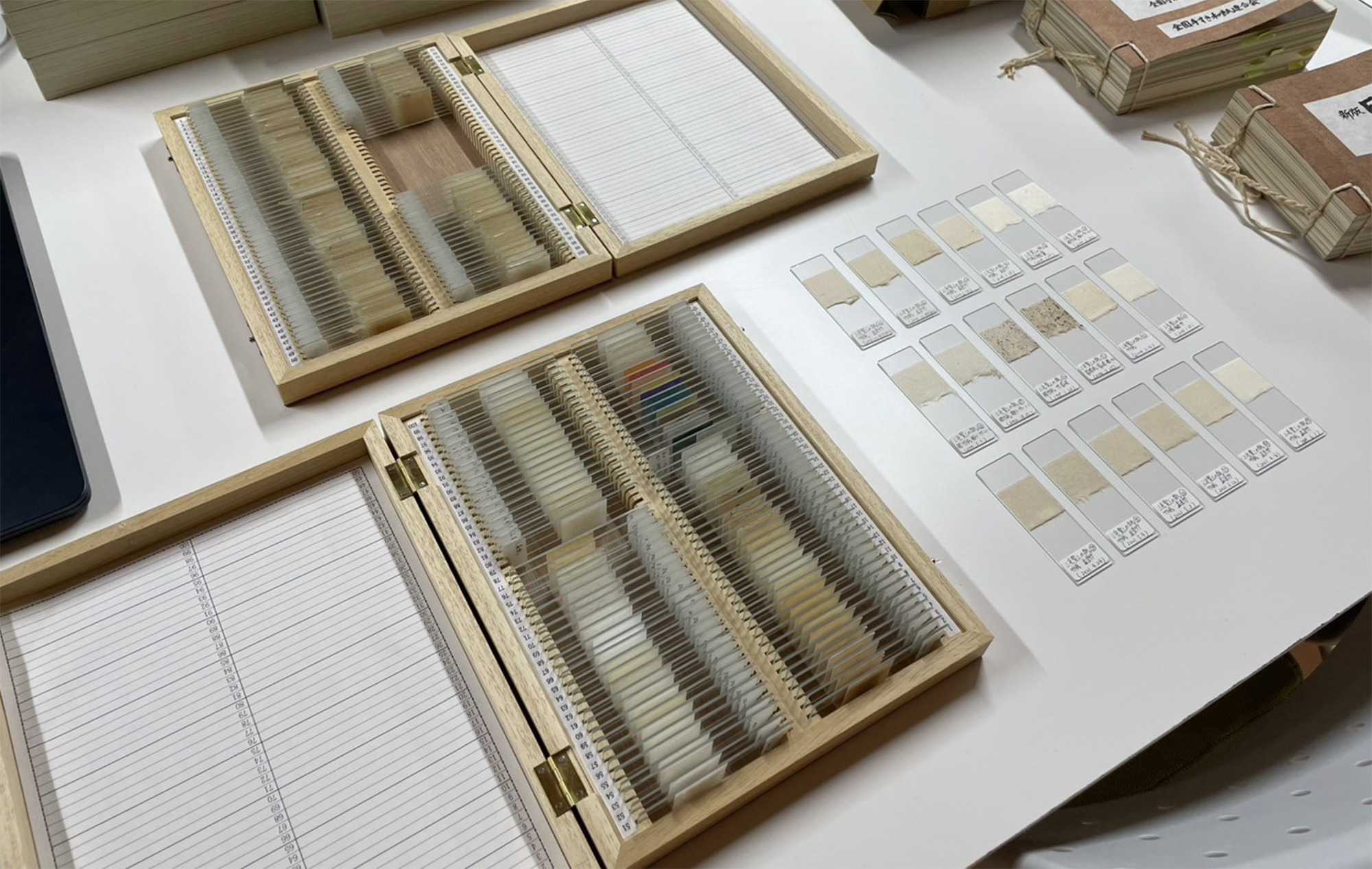
[Photo 12] Microscope slides of paper specimens currently being prepared in the laboratory.
5, History
The context of our research on historical and ancient paper.
It’s not the main topic of the exhibition this time, but here is a diagram showing a world map of paper culture based on what our research group has summarized.
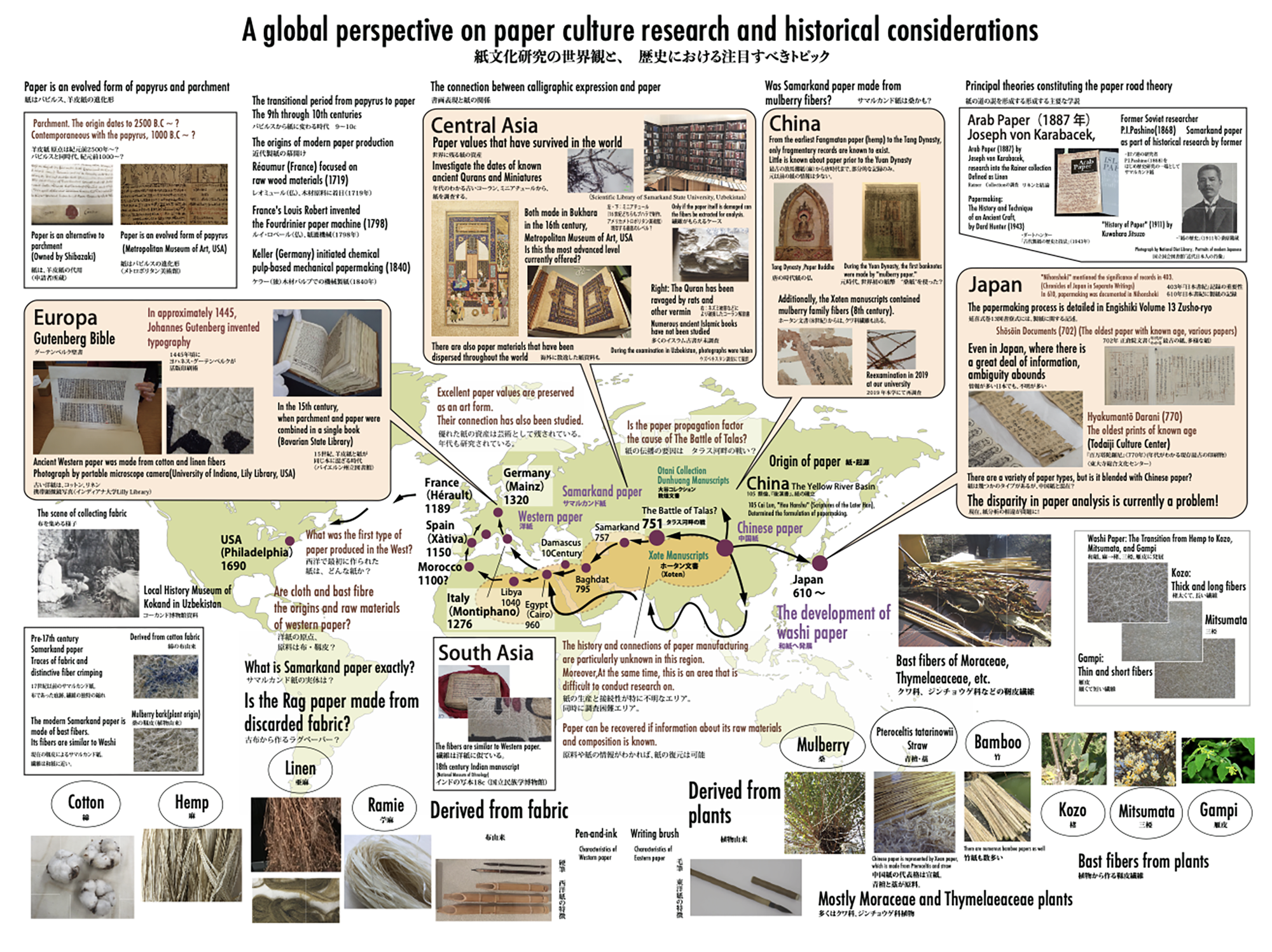
[Figure 3] A global perspective on paper culture research and historical considerations
The history of washi papers can be traced back about 1400 years. (Damjing or Doncho, a Korean Buddhist priest was sent to ancient Japan from Goguryeo or Kokuri around the year 610. Or from the Shōsōin documents, a collection of over 10,000 handwritten documents from the Nara period (710–784) which are stored in the Shōsōin, an eighth-century storehouse on the grounds of the Tōdai-ji temple in Nara, Japan.
Washi was developed in the 7th century and was of extremely high quality even by international standards. Its origins lie in the creation of a thin yet strong fiber bond that created a culture that led to the expression of beauty. Washi from the year 702 still exists.
This is extremely rare in the world, and we are deeply moved every time we see examples of people’s cultural creations being passed down to the present day.
Next, I would like to tell you about how the paper-creation was imported to Japan and how Japan developed our own unique papers.
These are one of the oldest papers in Japan that have their creation dates clearly recorded. They are all from around the year 702.
The one on the bottom is the paper stored in the Todaiji Temple in Nara Prefecture, Japan.
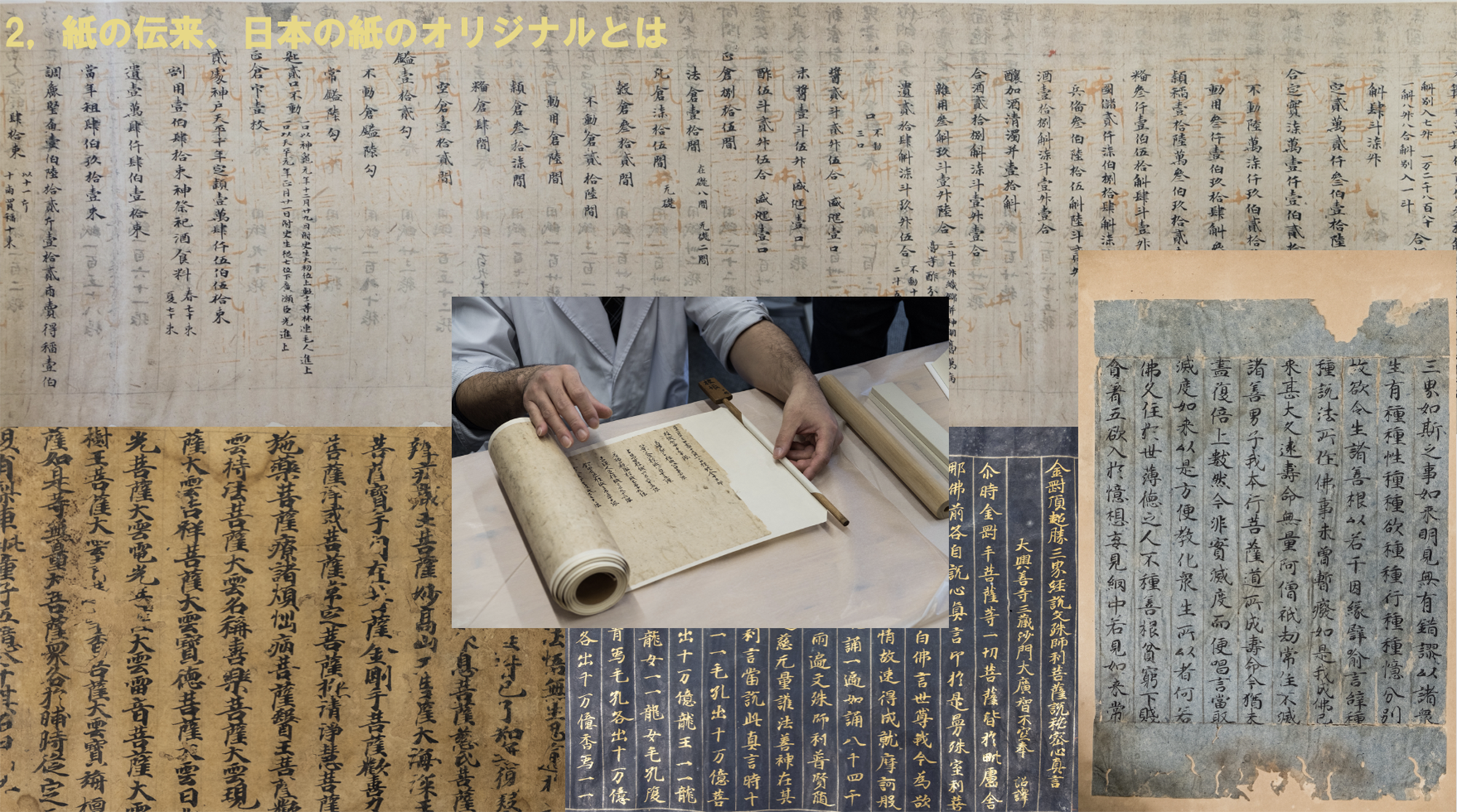
[Photo 13] The Shōsōin monjo and other papers found at Todaiji Temple.
The Hyakumanto Dharani Sutra, produced in 768 and housed inside the Hyakumanto Pagoda, is said to be the world’s oldest printed work with a known specific year of production.
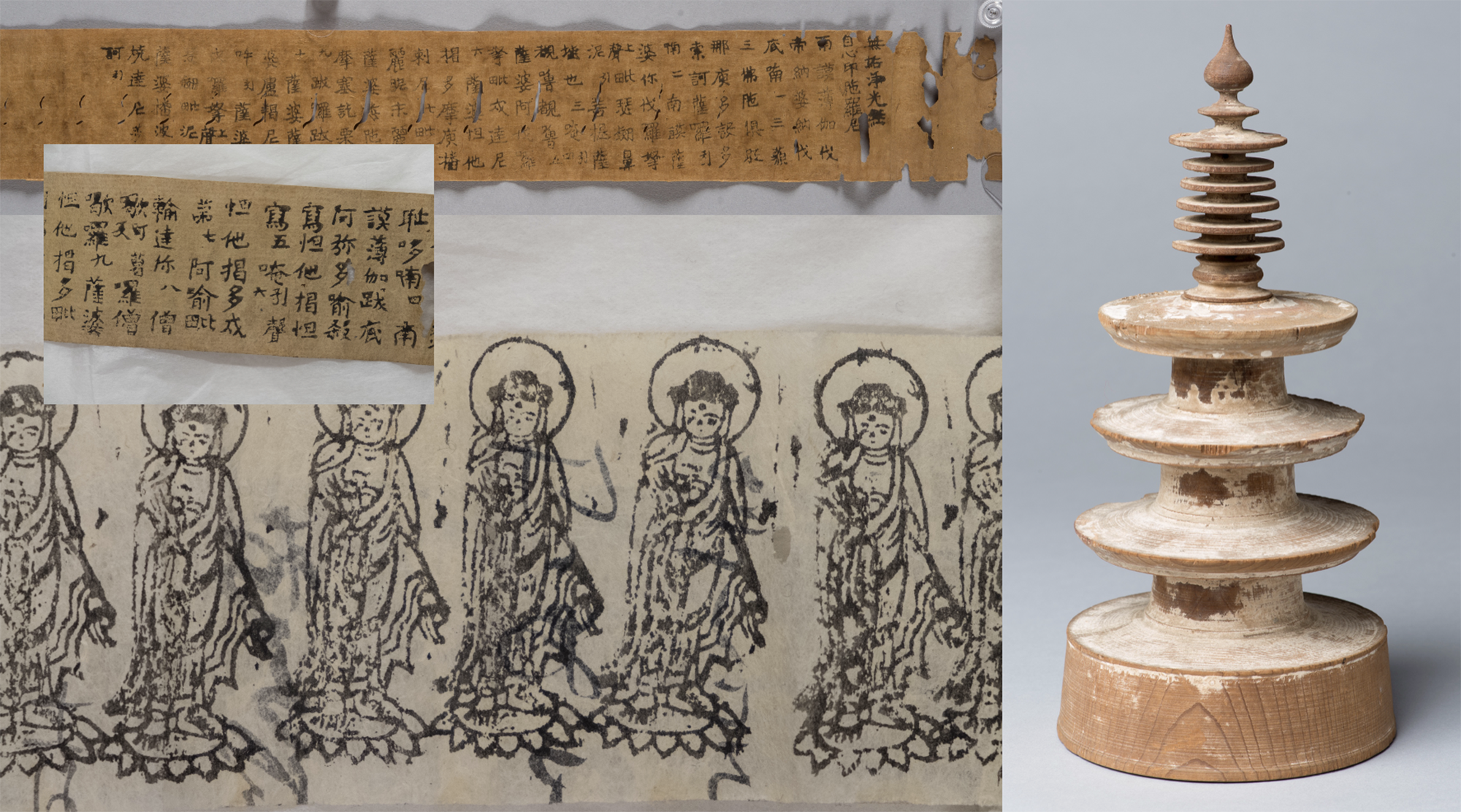
[Photo 14] Hyakumanto Darani (The one million pagodas and Dharani prayers) which was made in 768 AD.
These are the photos of the papers stored in Todaiji Temple as well and as you can see, the textures of the papers vary.
Looking at the Eurasian continent, meaning the combined continent from Europe to Asia, China still has more paper that was made before Japan’s.
I am referring to these papers from before the Tang Dynasty (617-908) in China, but many of them are fragmented.
This is a museum in Urumqi, China. Recently, the paper exhibition room has been expanded, and you can now see a variety of items from the 4th century to the 10th century (Tang Dynasty).
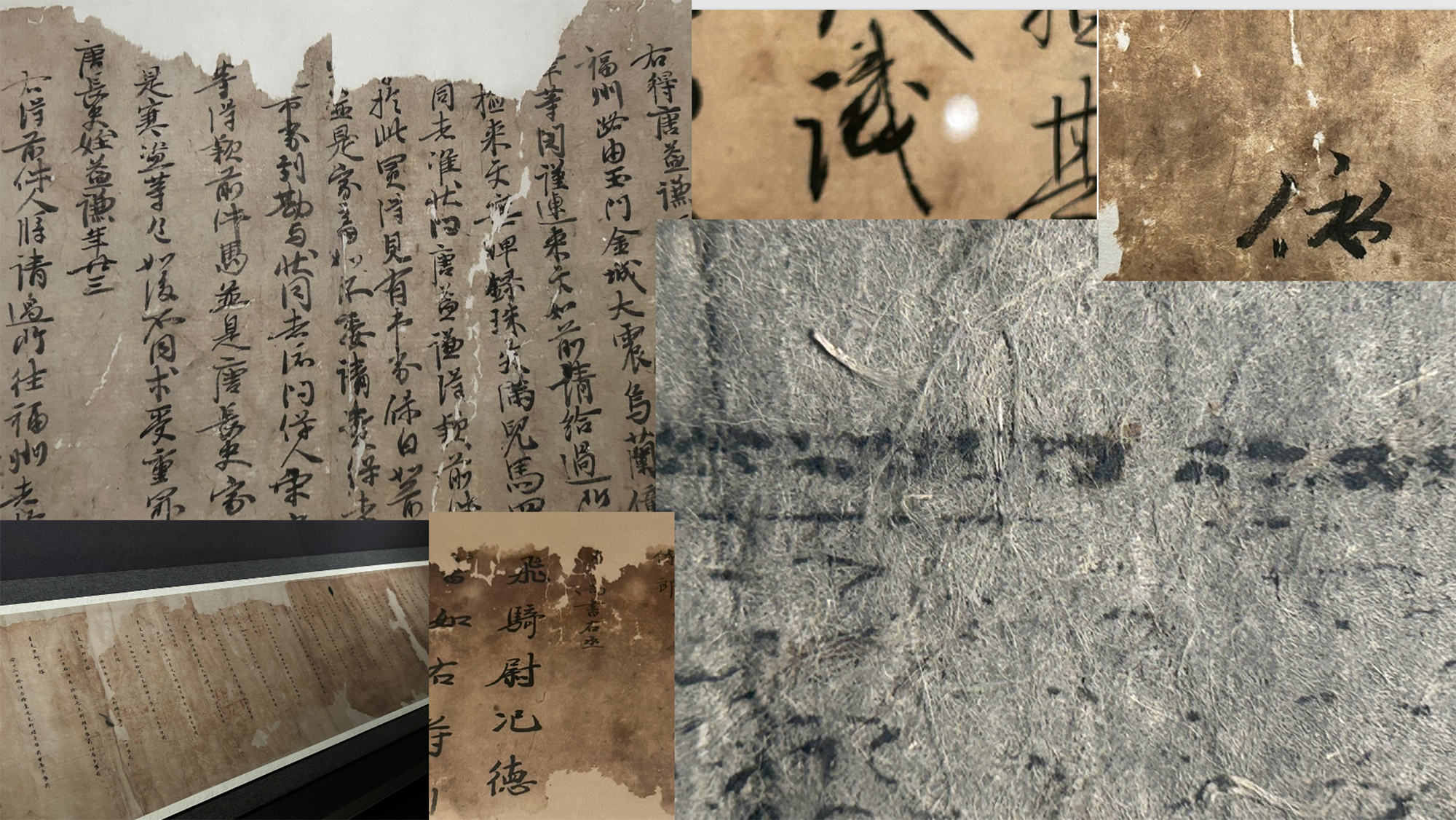
[Photo 15] Photographs of pre-Tang Dynasty Chinese paper (Photographed at The Xinjiang Uygur Autonomous Region Museum).
The history of paper-making culture dates back to 105 BC when paper was invented by Cai Lun in China, and around 600 BC in Japan. The Samarkand Paper that I have studied the most is about 750 years old.
Paper was first produced in Europe through the Islamic world around the 12th century. In America, around 1700.
6, The Future of the Washi
In modern times, the role of paper has changed significantly, but washi culture continues to produce beauty that is simple yet original and has a variety of uses.
As a recent issue, the map appears to have many regions producing paper but the reality is that there is much less paper being produced today than there has been in the past. This is happening globally, including in Japan.
However, washi paper has continued to exist without perishing, even though it has been engulfed by changes over the past 1300 years.
At that moment when I understood the depth of wonderful culture, not only in Japan but all over the world, I remember the same emotion I felt when I encountered good art.
7, Arts
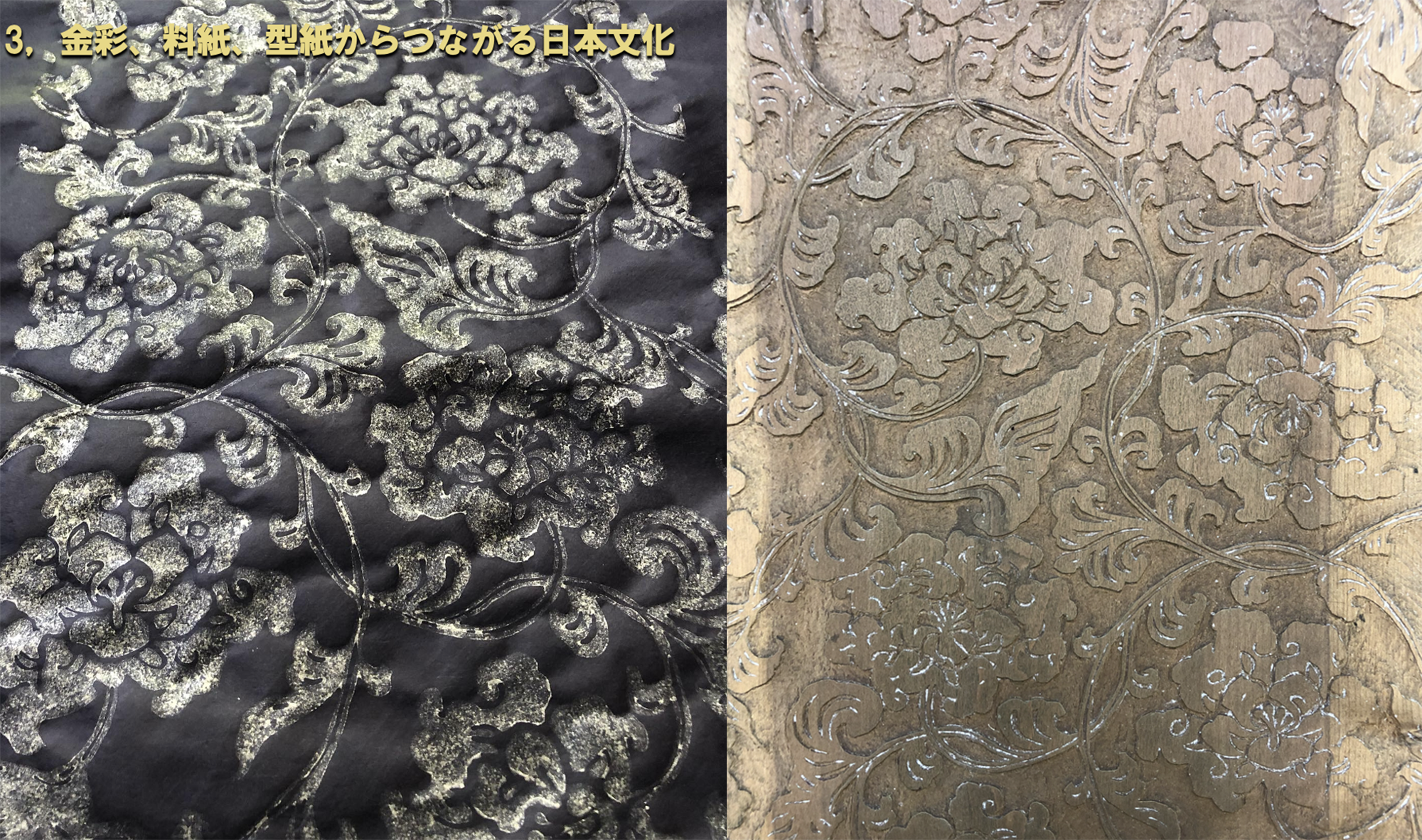
[Photo 16] Application of paper, woodblocks and stencils
In the early 12th century, aristocrats became the patrons of culture, creating luxurious decorated manuscripts using various papermaking techniques, such as the Nishi Honganji Book of Thirty-six Houses.
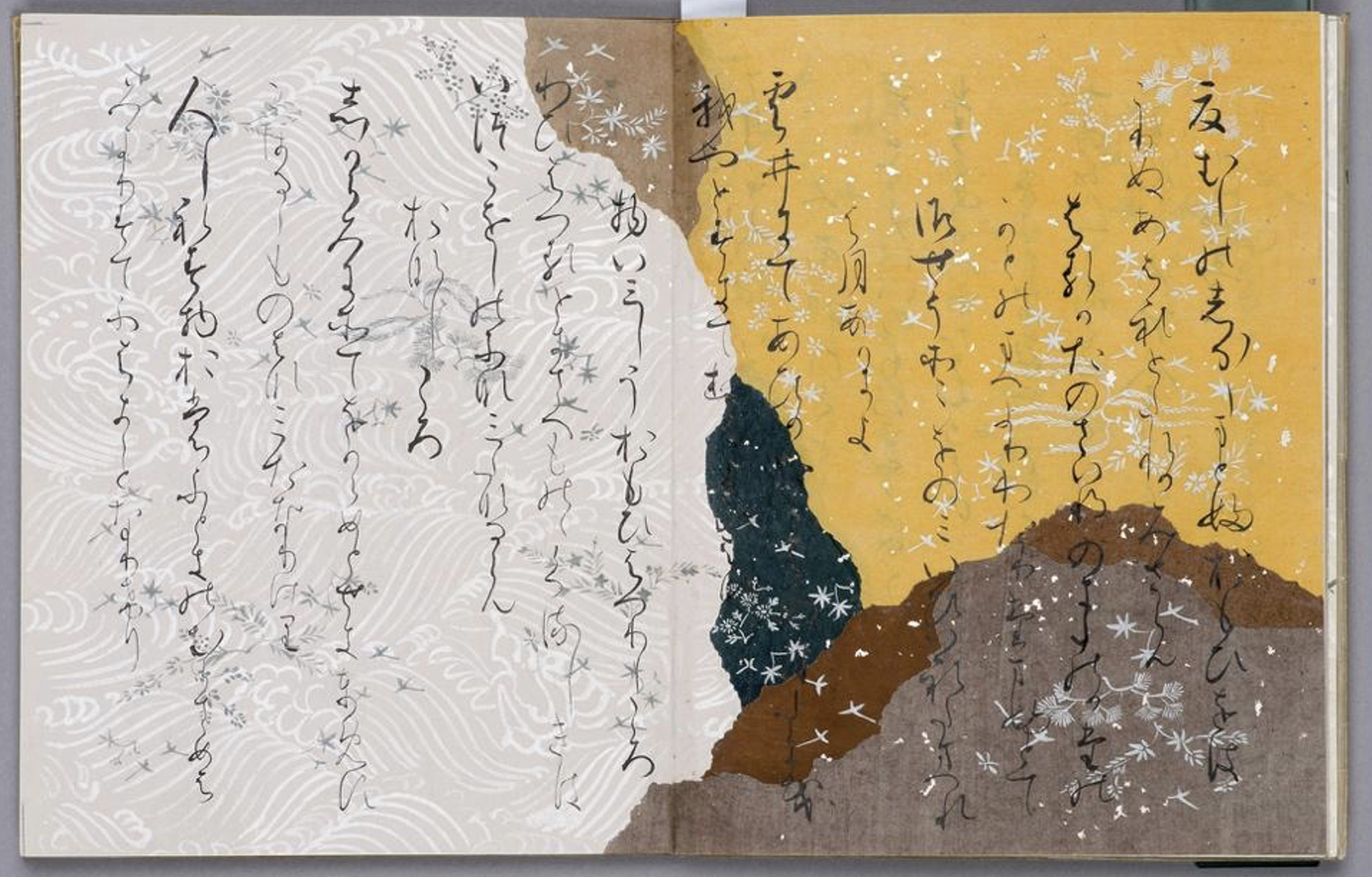
[Photo 17] Reproduction of the “Nishi Honganji Sanjurokunin Kashu (Collection of Thirty-six Anthologies)” (Created by Shunsen Matsuzaki; Collection of the Naritasan Museum of Calligraphy).
These manuscripts include paper with paper patterns such as Uchigumo, Tobikumo, and Ramon, as well as dyed, unei-zuri, suminagashi, gold and silver sandago (sunago) paper.), cut leaf (kirihaku), and gold-painted writing paper were used.
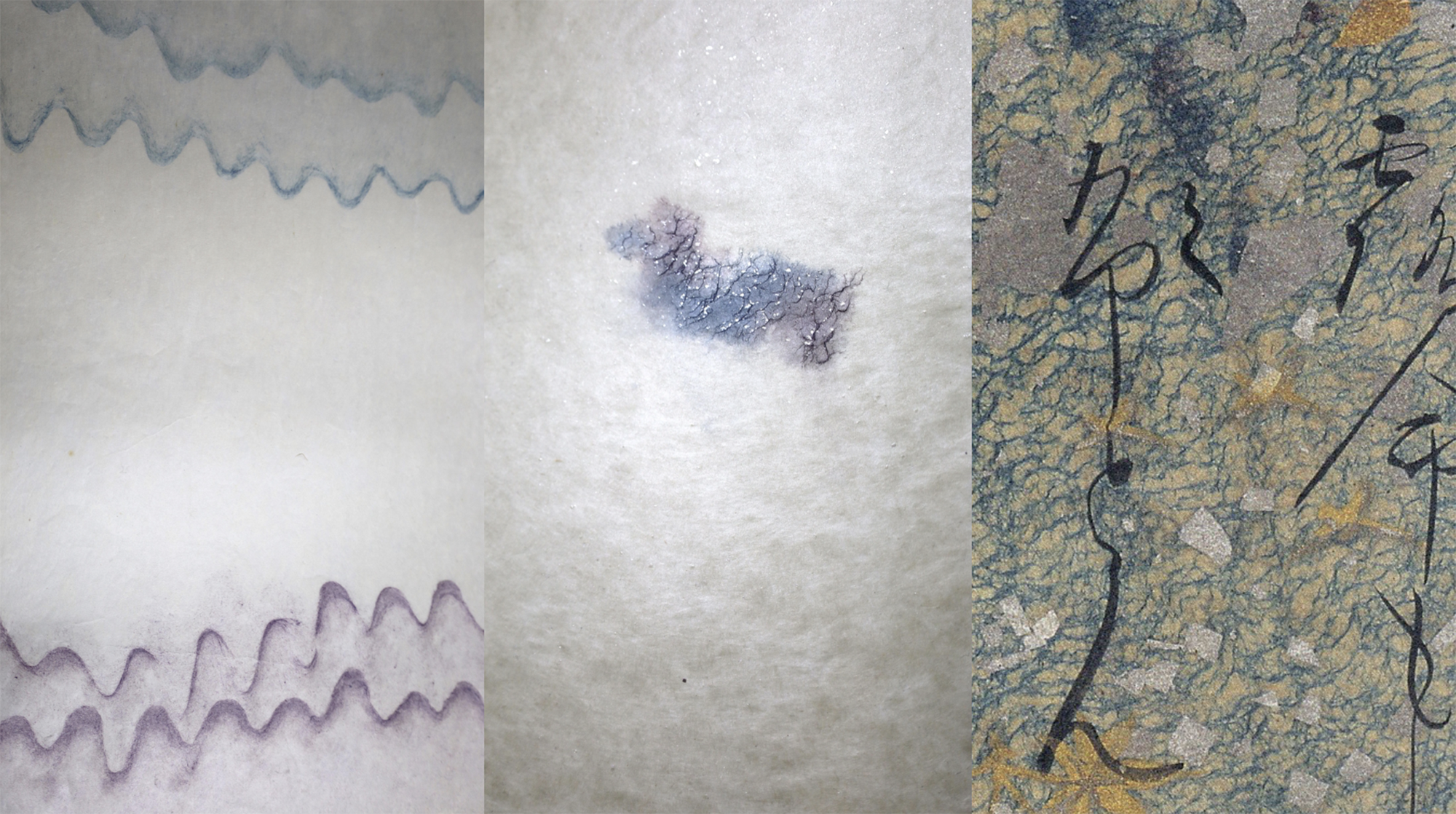
[Photo 18] Uchigumo (lying cloud pattern), Tobigumo (flying cloud pattern), and Ramon (Ramon pattern).
Furthermore, these papers were used to create joint papers such as Kiritsugi, Toritsugi, and Layered Tsugi, and a wide variety of Ryōshi developed as crafts.
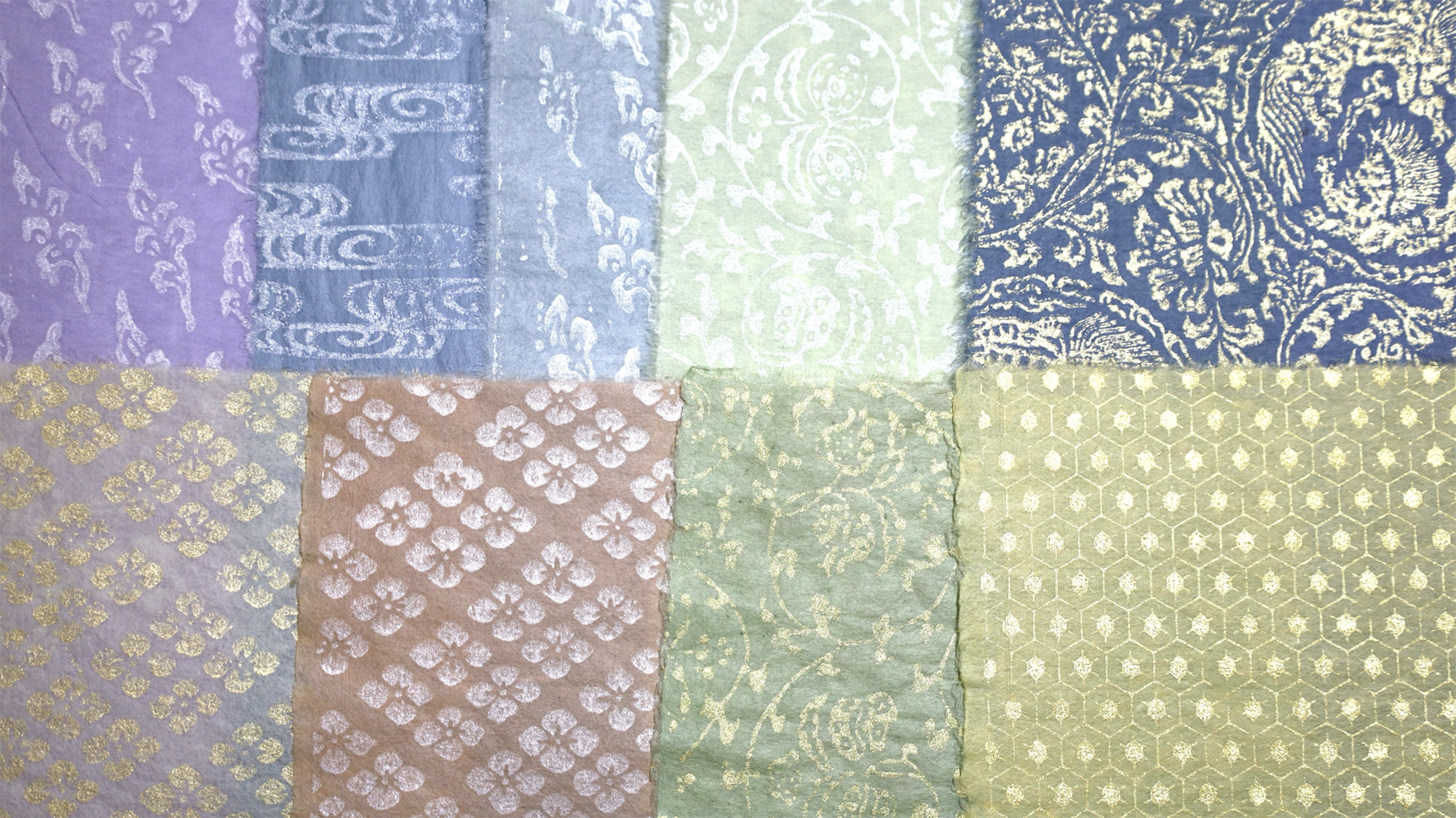
[Photo 19] Samples of dyeing and Kirazuri (mica printing)
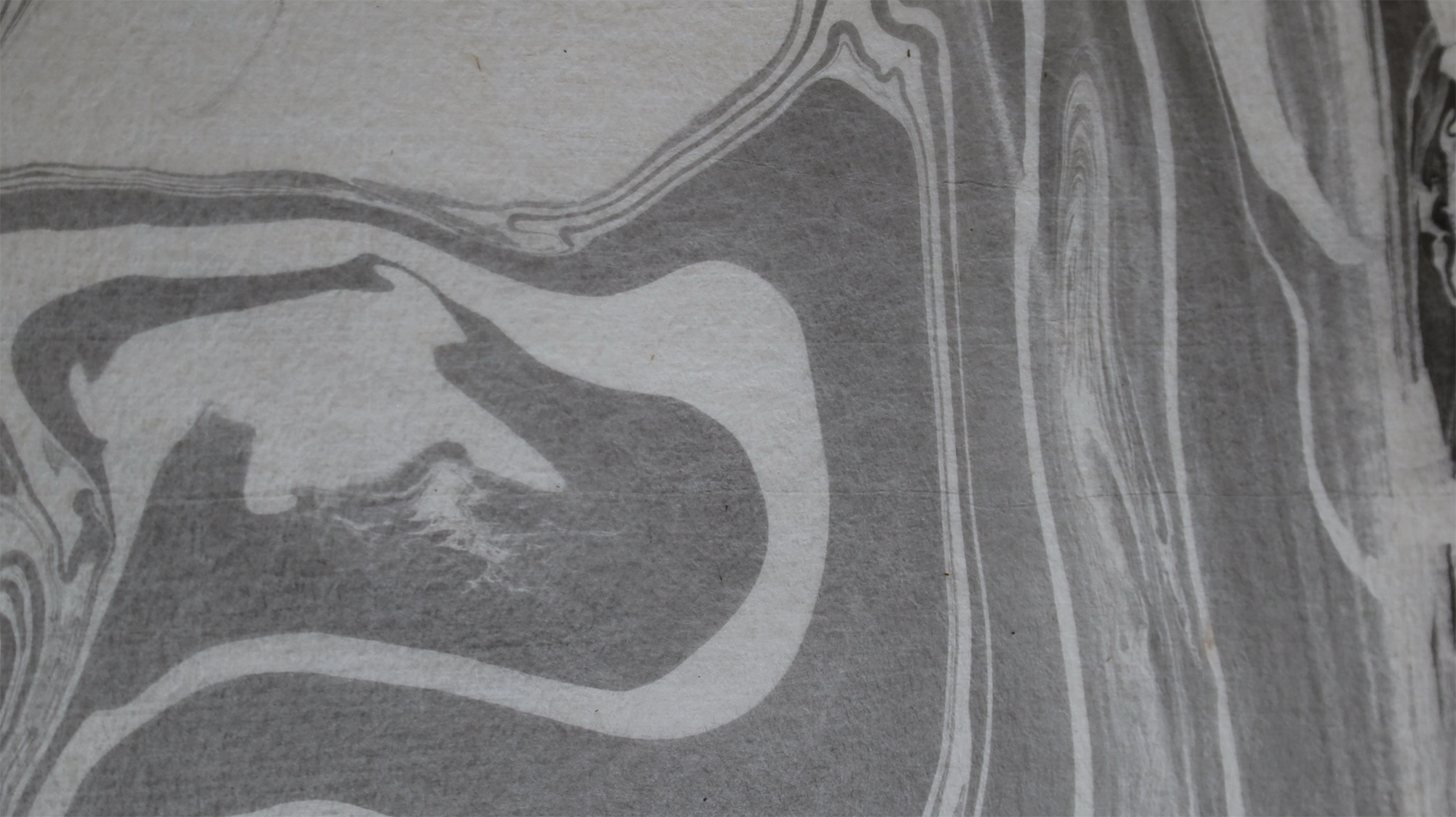
[Photo 20] Sumi-nagashi
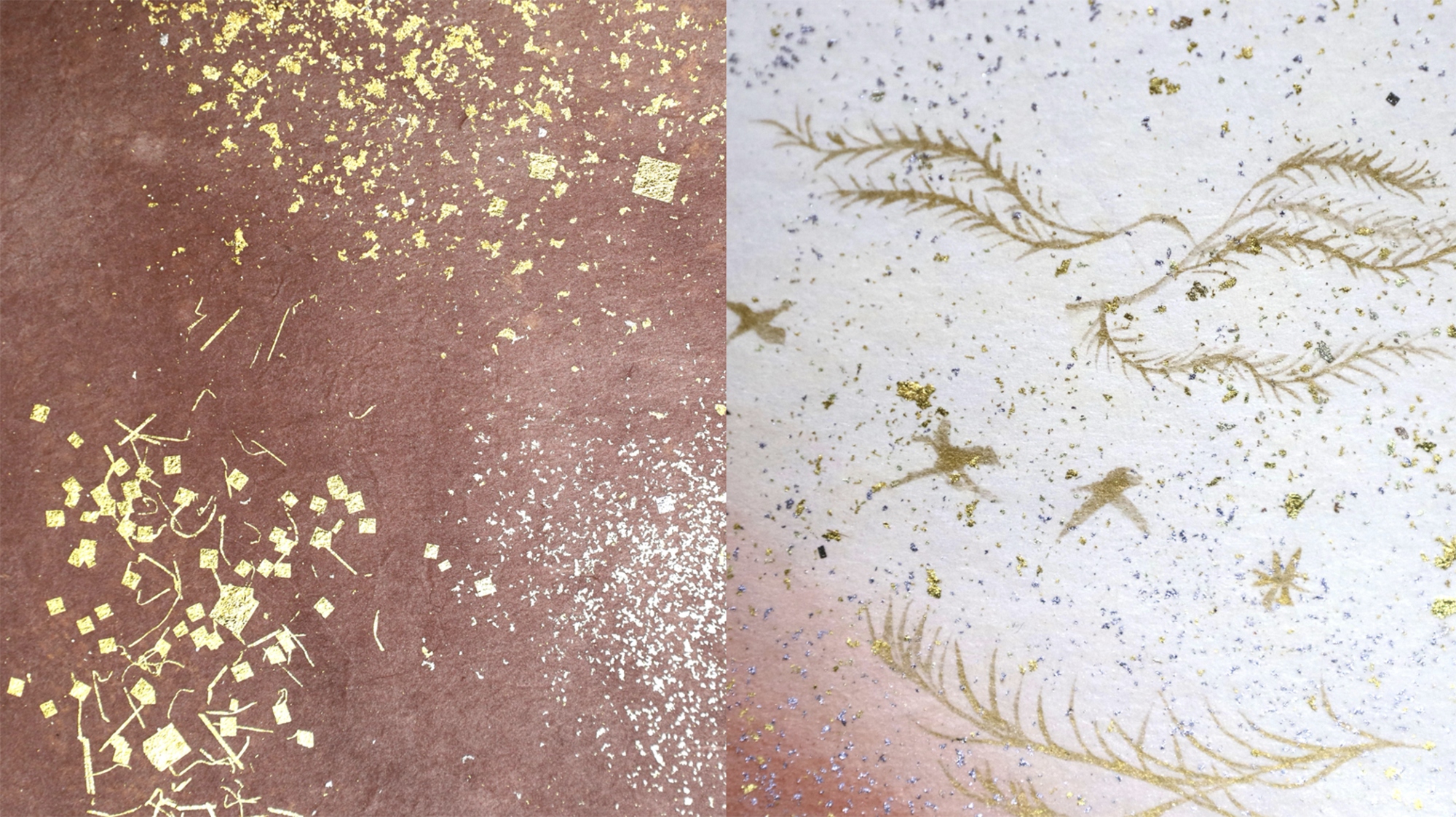
[Photo 21] Gold and silver sandago (sunago) paper, cut leaf (kirihaku), and gold-painted writing paper.
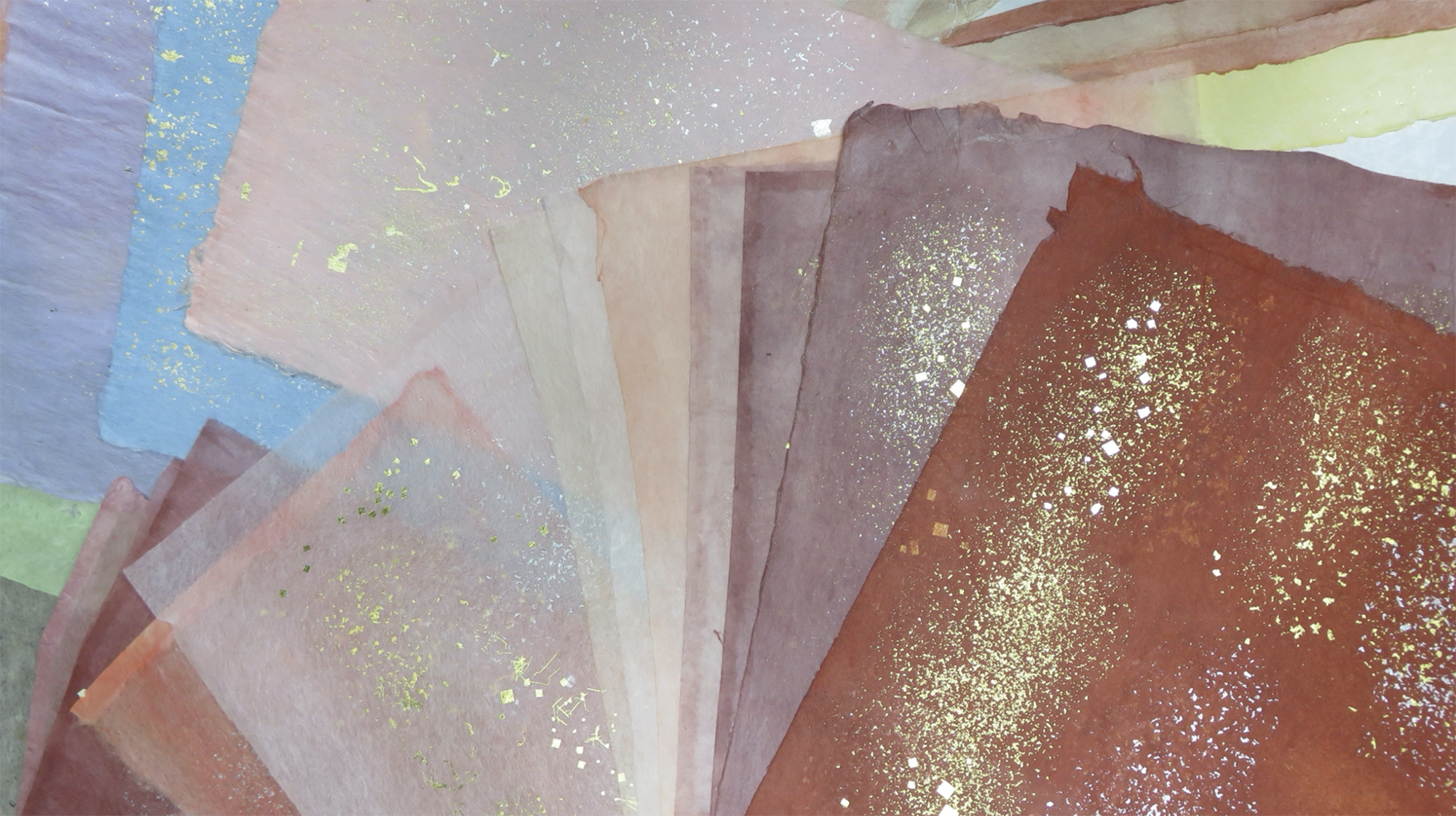
[Photo 22] Papers created using the techniques of Kiritsugi, Toritsugi, and Layered Tsugi
Paper culture showed new developments due to the changes in lifestyles and cultural exchanges with foreign countries. Chiyogami and pattern template designs have traveled overseas as “Japonism” and have had a great influence on art around the world.
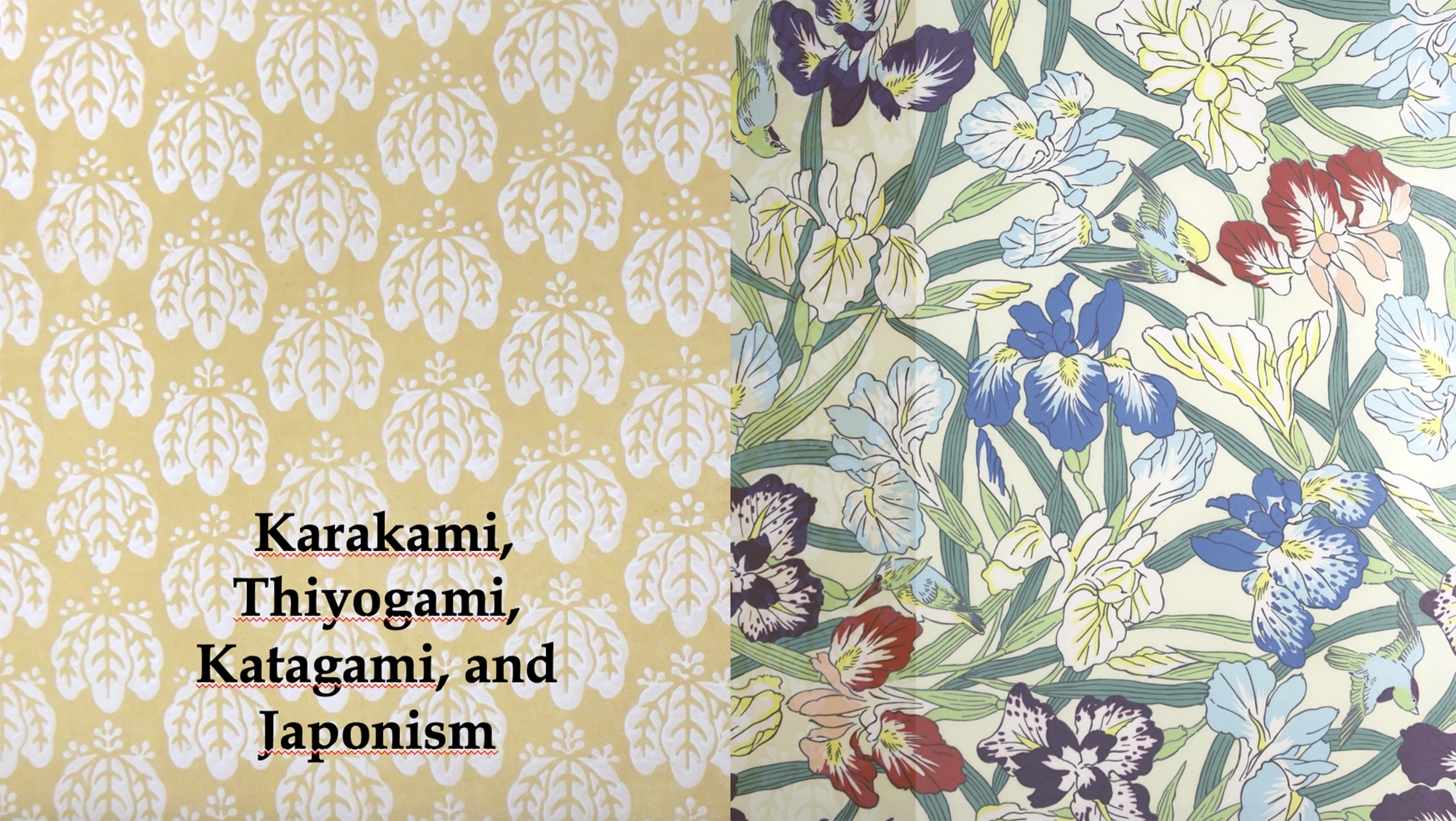
[Photo 23] Karakami, Chiyogami (Thiyogami?), Katagami and Japonism
Karakami is paper printed with woodblocks, and was used as writing paper during the Heian period, but in the Muromachi and Kamakura periods it began to be used for Fusuma or Japanese traditional sliding doors.
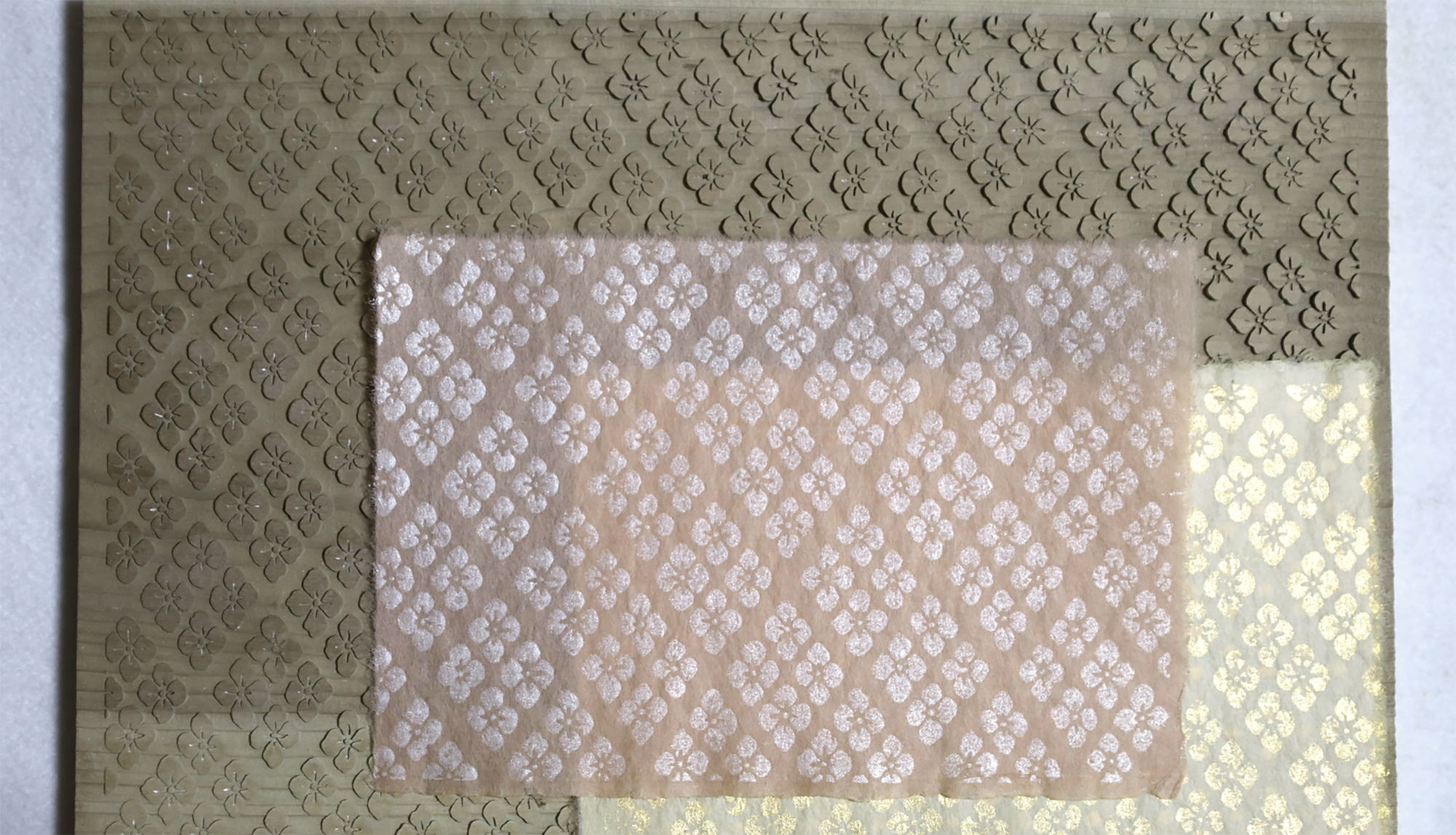
[Photo 24] Woodblocks used for Karakami (printed paper)
During the Edo period, Kinkara leather was imported from Europe and Japanese people created Kinkara leather paper by applying the Japanese imitation leather technique, and these papers became popular.
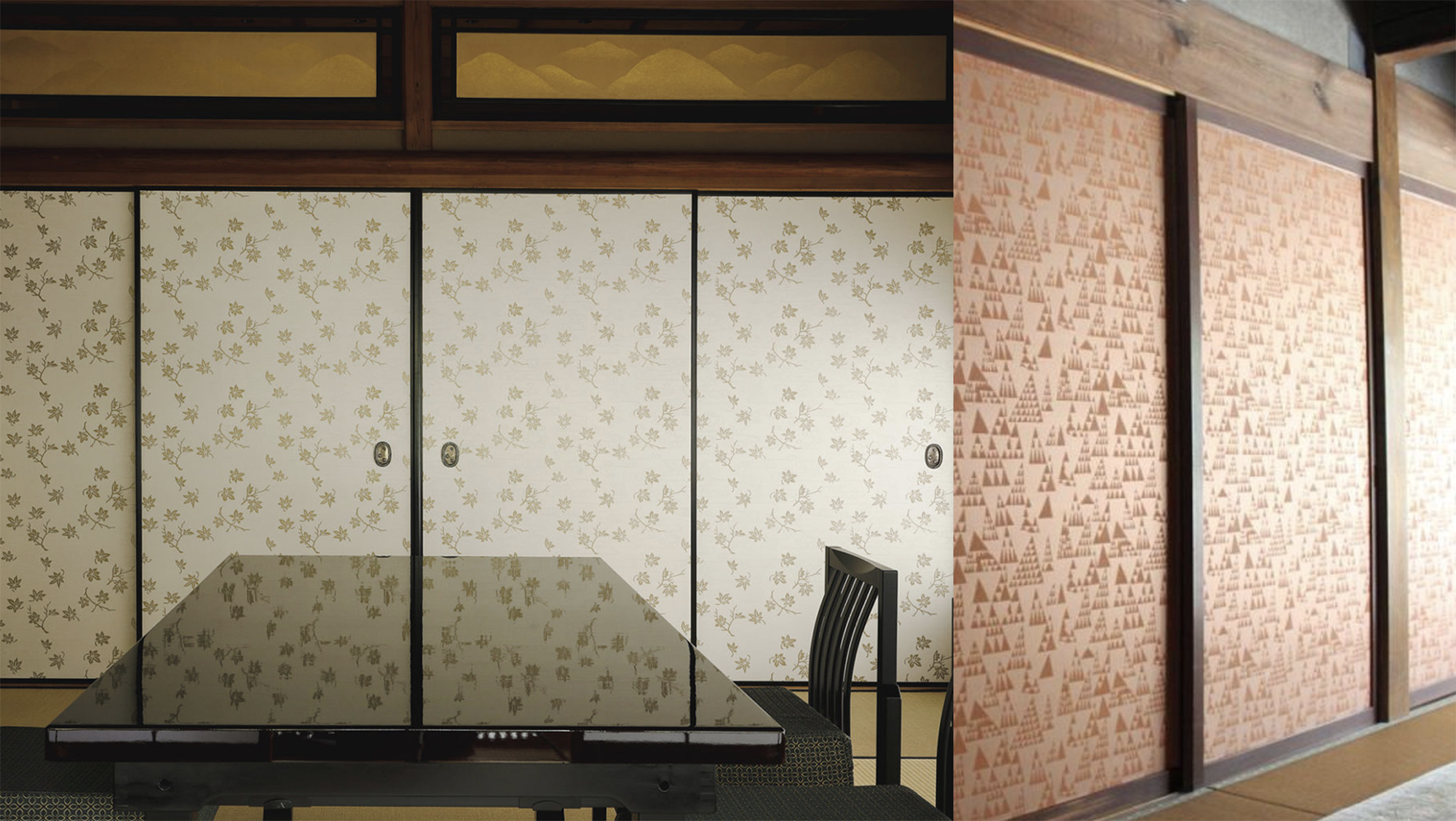
[Photo 25] Examples of architectural use such as on Fusuma (sliding doors)
Kinkara leather paper was used for cigarette cases and high-quality wallpaper, and was exported to Europe at the Vienna World’s Fair in 1873, where it was also used at places such as Buckingham Palace.
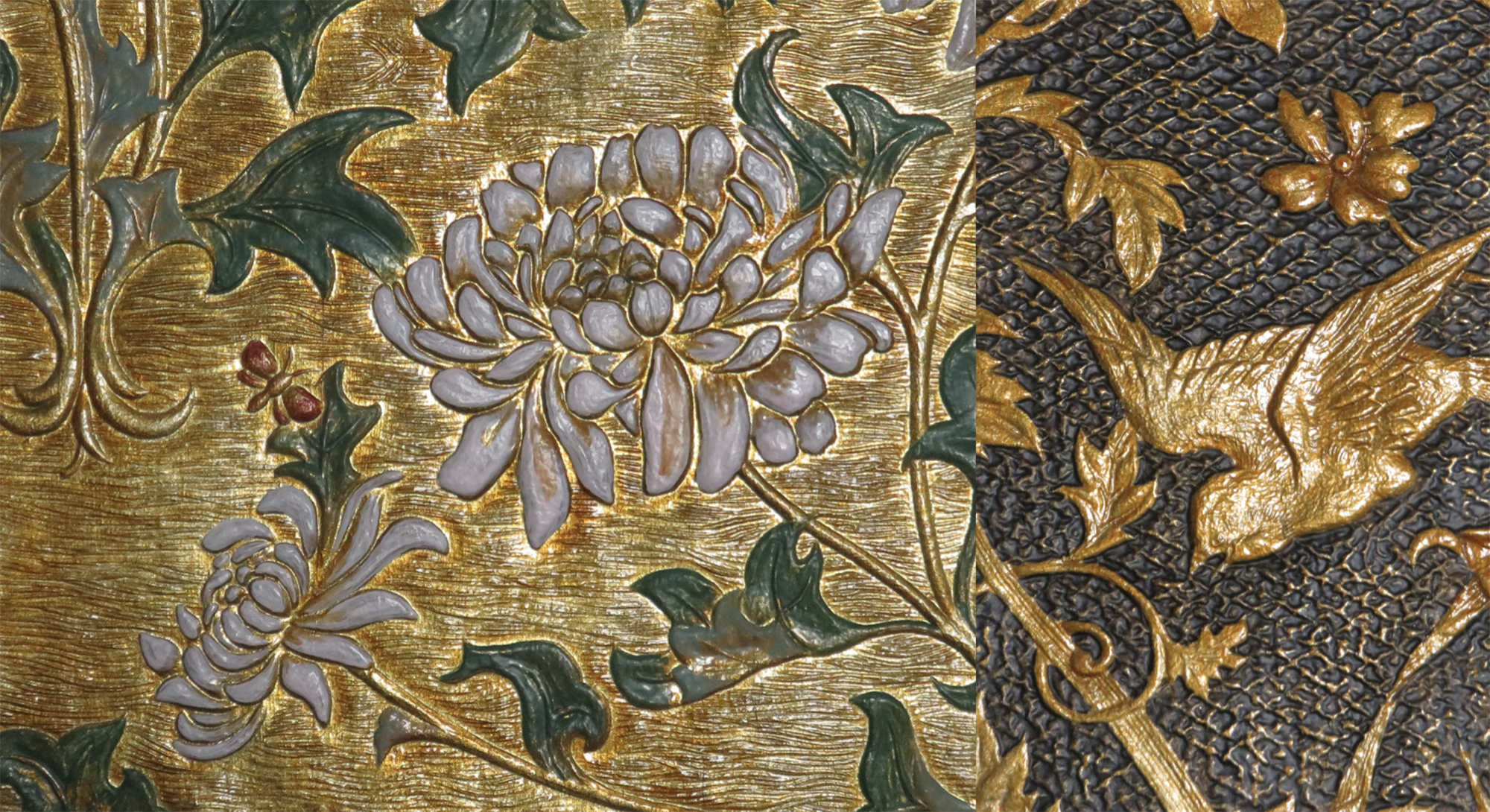
[Photo 26] Techniques of Japanese Gikaku Paper (Imitation Leather Paper)
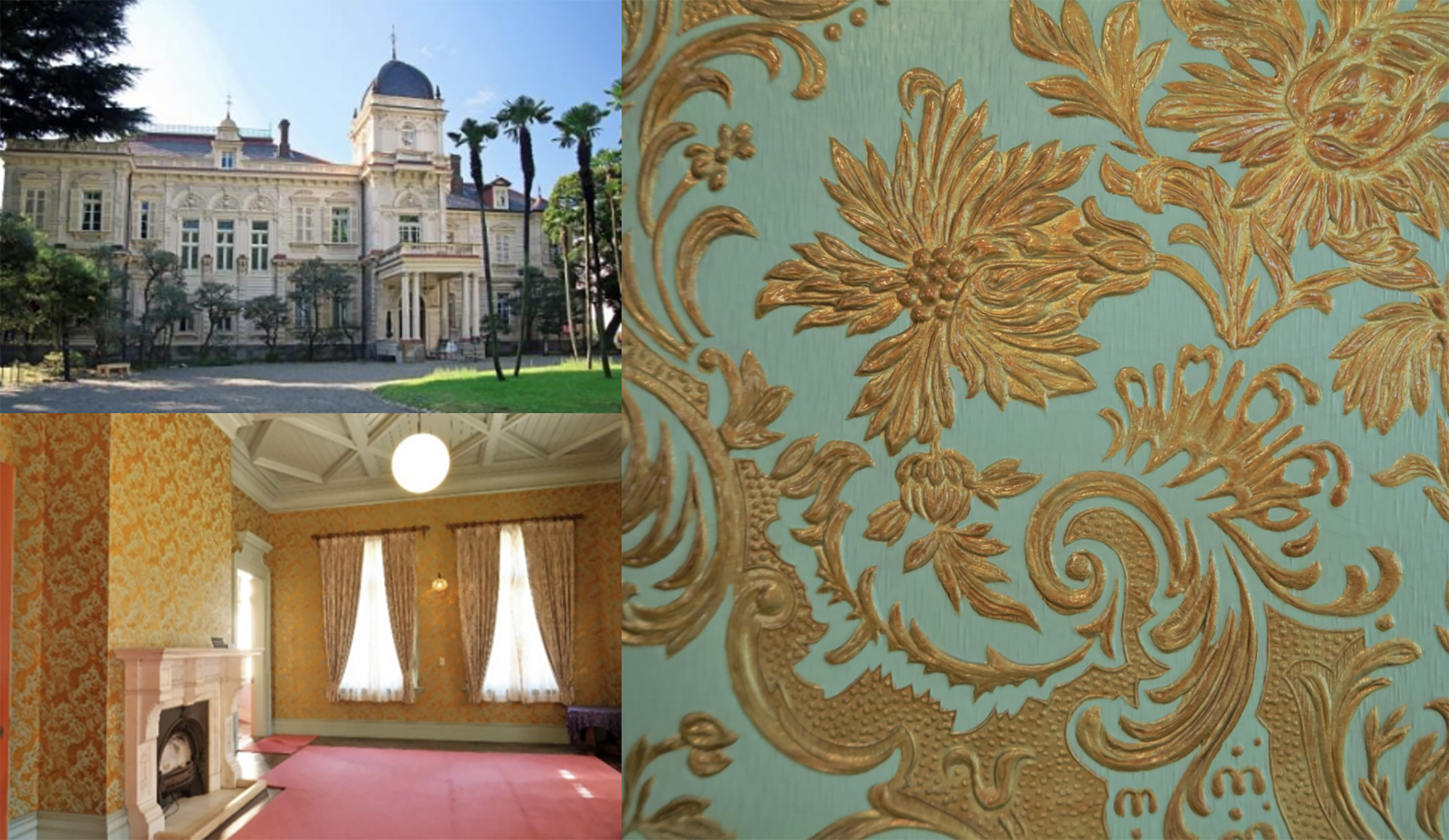
[Photo 27] Japanese Gikaku Paper (Imitation Leather Paper) used in the Iwasaki House in Japan designed by architect Josiah Conder.
Chiyogami was used to decorate boxes or to make crafts such as ane-sama dolls, and as special wrapping papers for storing kimonos.
Woodblock printing utilized the techniques of ukiyo-e artists, carvers, and printers from the Edo period.
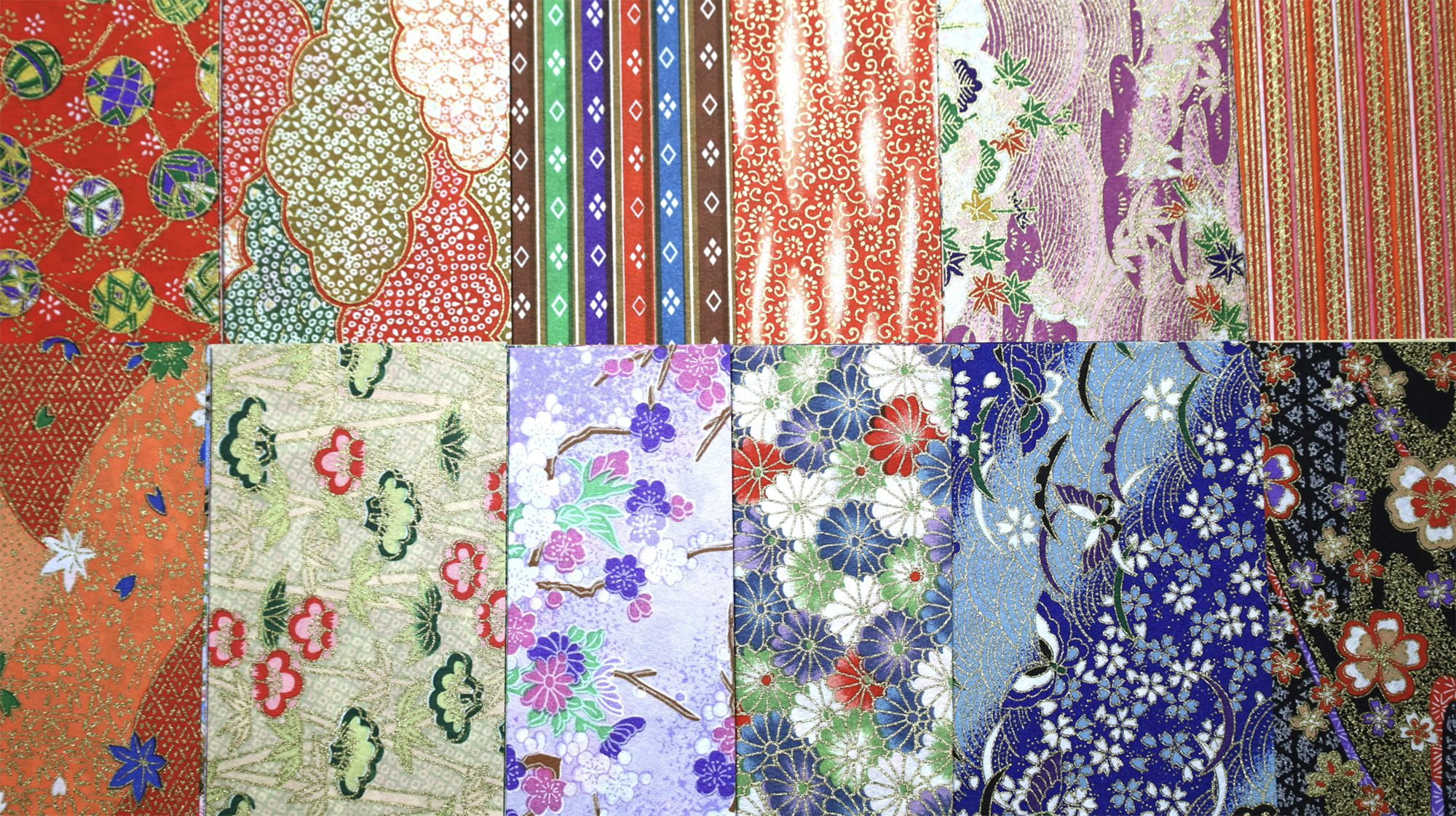
[Photo 28] Chiyogami paper. It is rare to find chiyogami made by woodblock printing today.
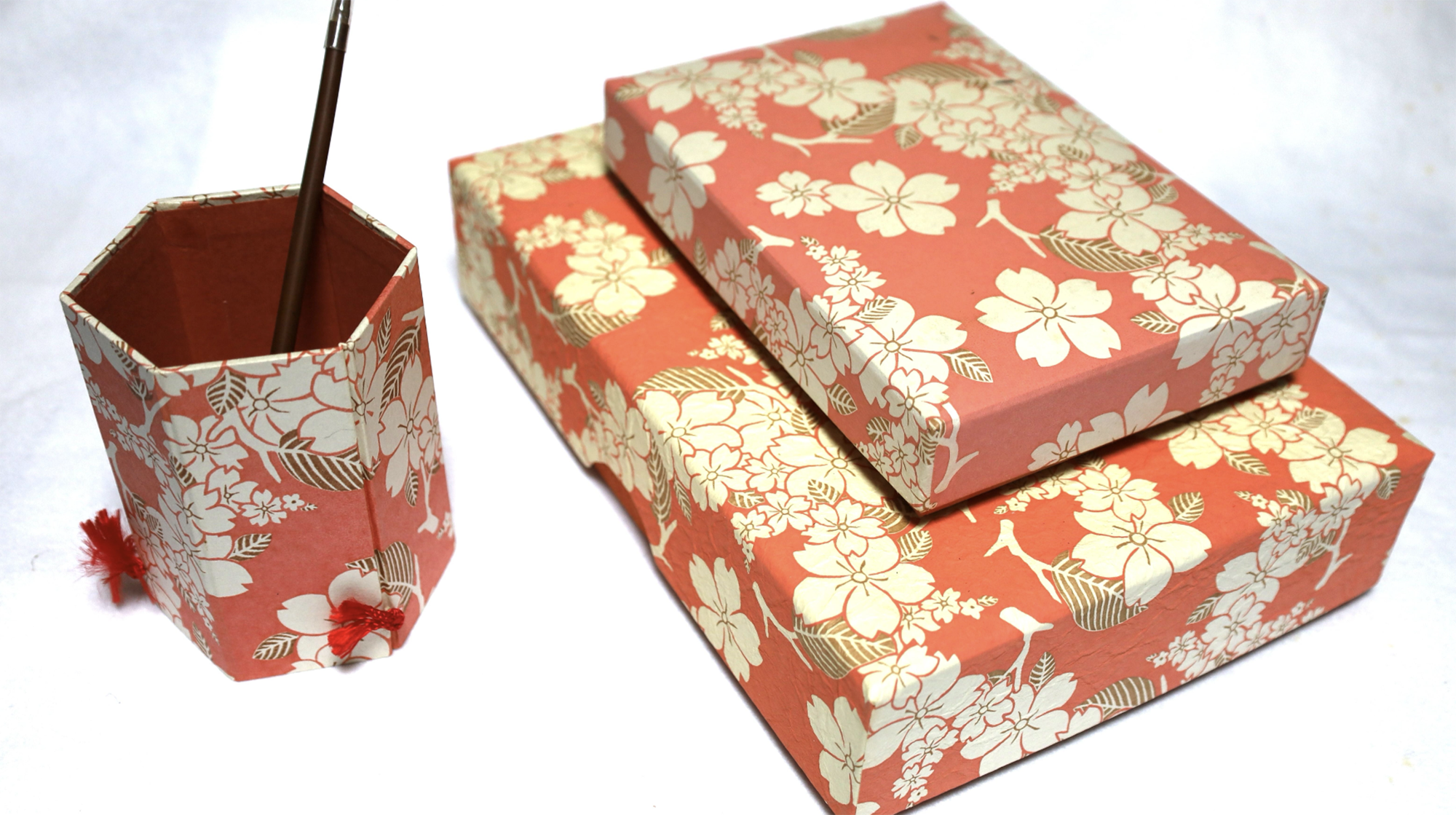
[Photo 29] Chiyogami was used to decorate sewing box, girls’ dolls, and special wrapping papers for kimonos.
A pattern template sheet is made by pasting together multiple sheets of Japanese paper with persimmon tannin, and then carving out a pattern with a chisel. It was also used to dye textiles or cloth for kimonos.
Although katagami, pattern templates, were carved in various places, most of the shibugami (papers for the pattern templates) were made in the Ise region of the Mie Prefecture and therefore, they are called Ise katagami.
From the middle of the century, Japanese patterns were collected in Europe and are said to have influenced modern design.
The Siebold Collection of 1826 is known as the introduction of Japanese paper and decorative paper in Europe. The Siebold Collection was first opened to the public in 1831. The collection was amassed by Philipp Franz von Siebold (1796-1866) between 1823 and 1829.
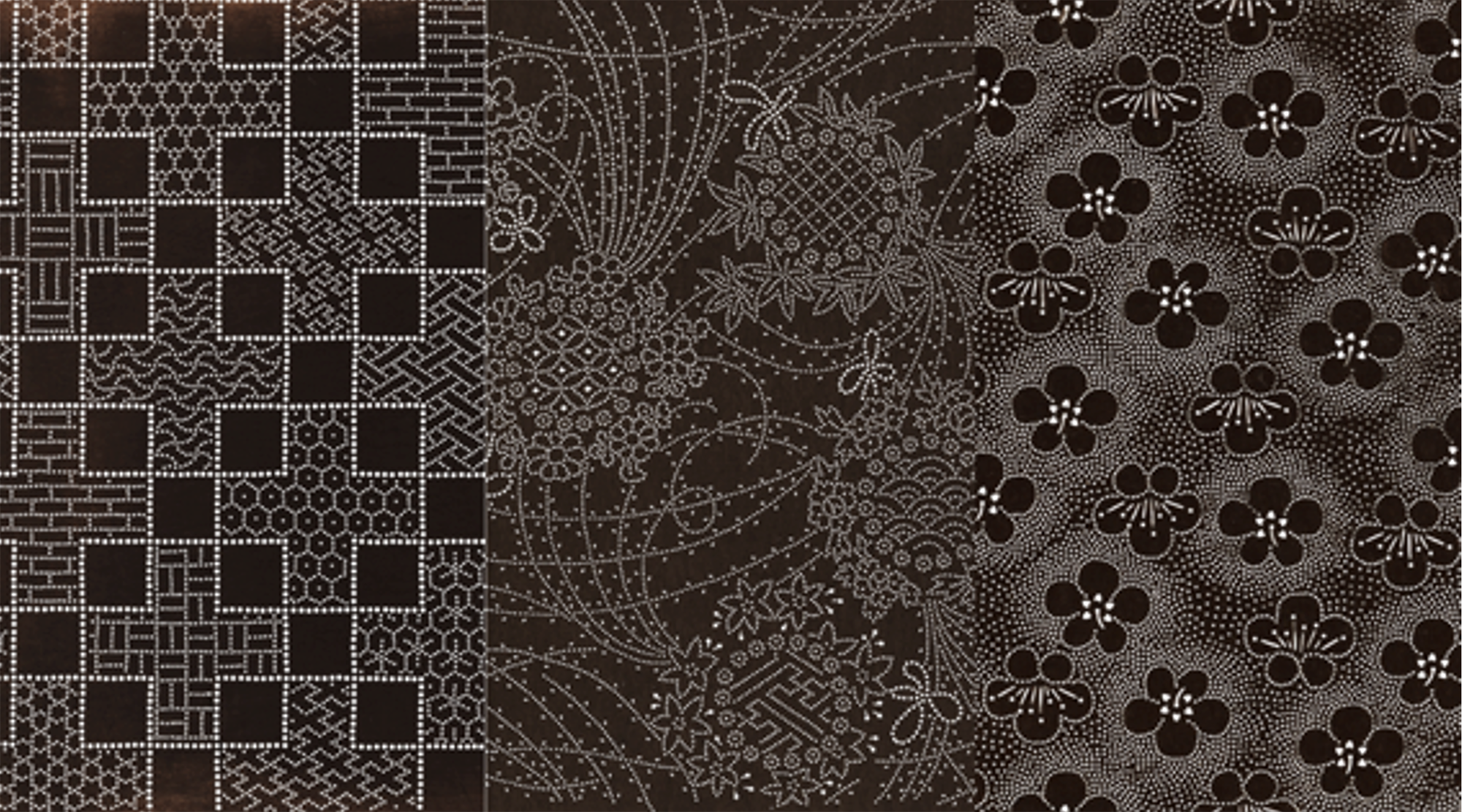
[Photo 31] A beautiful pattern paper.
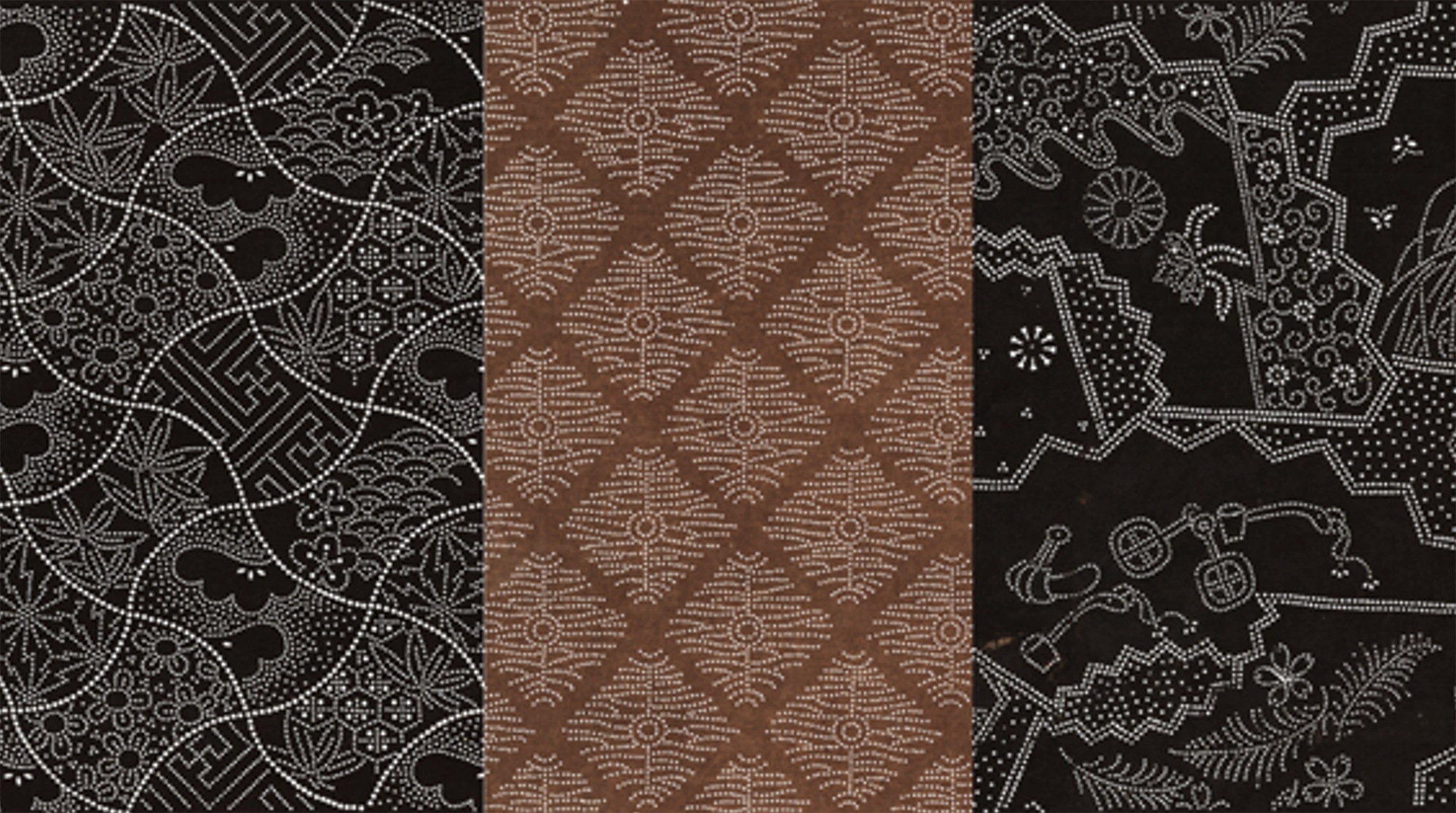
[Photo 32] A beautiful pattern paper.
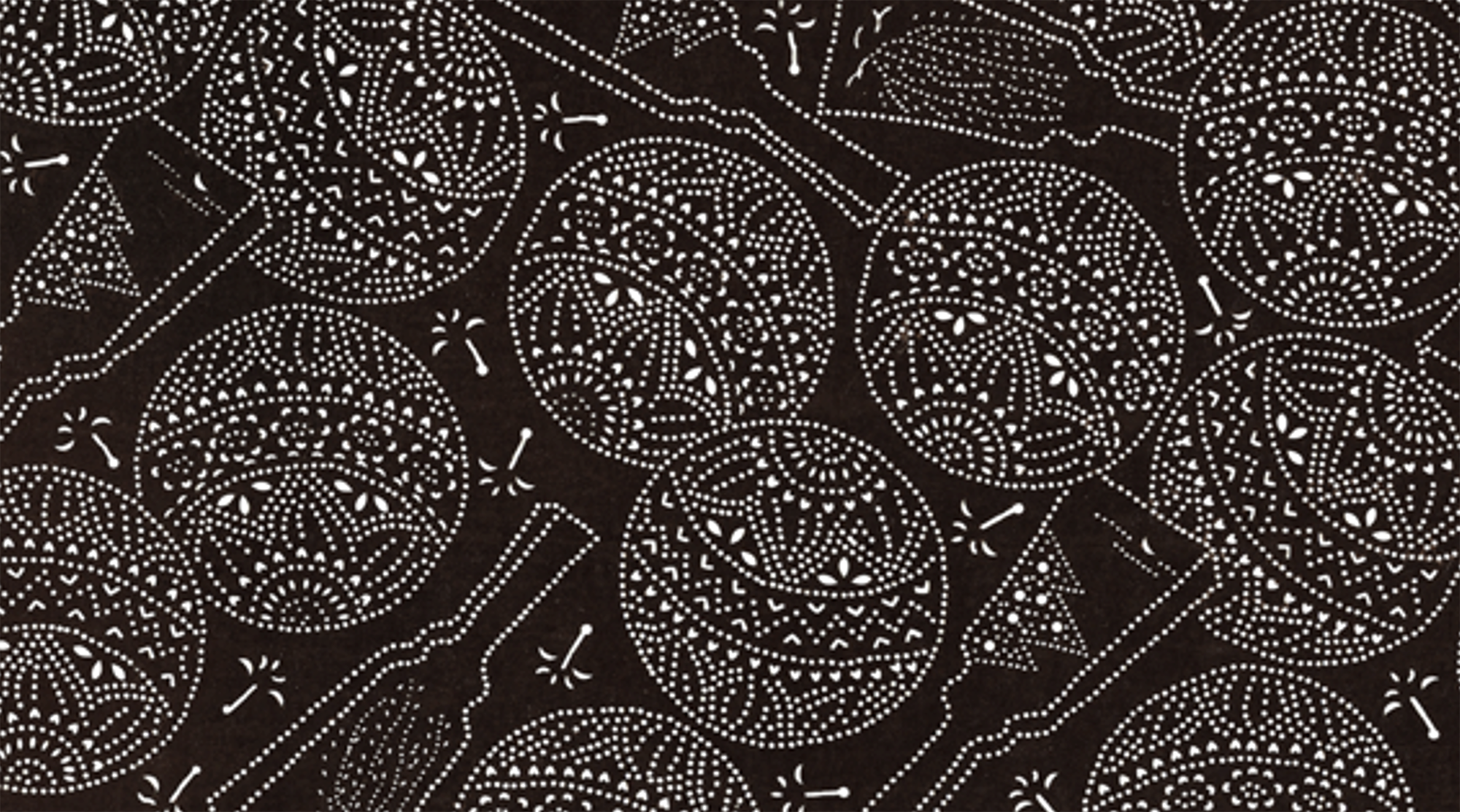
[Photo 33] A beautiful pattern paper.
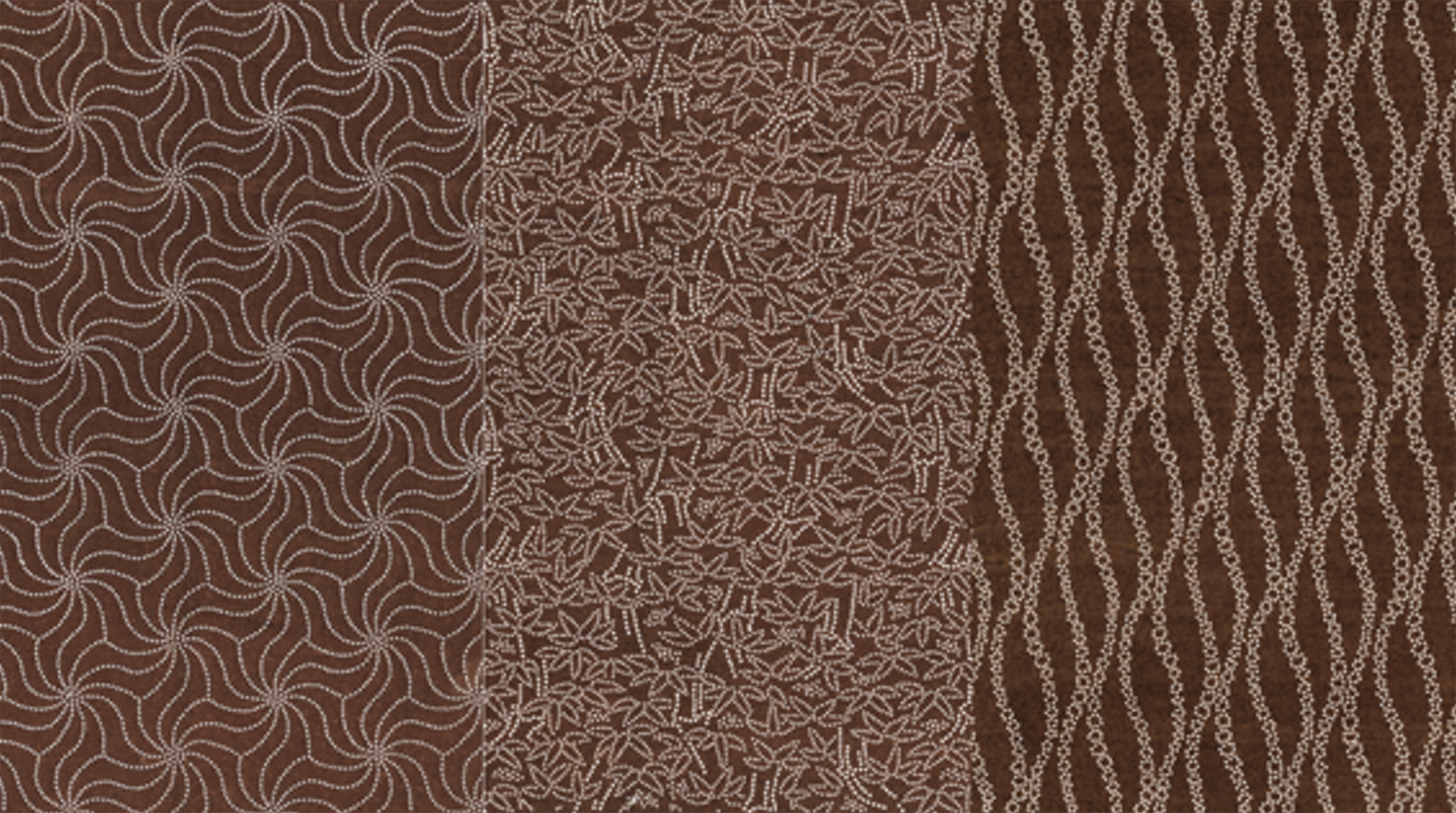
[Photo 34] 1 A beautiful pattern paper.
‘
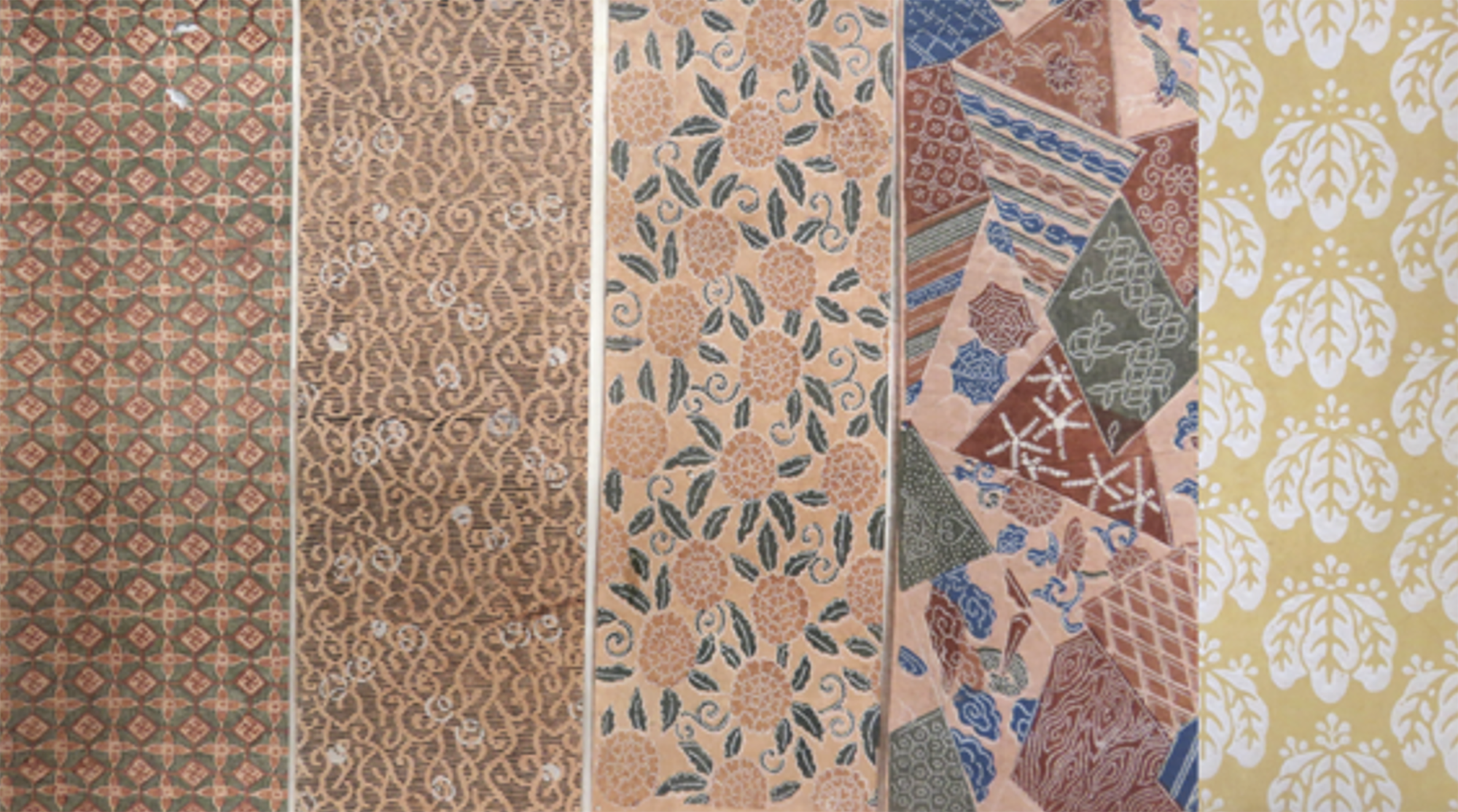
[Photo 35] Various designs of Chiyogami and Katagami.
8, The Contents of the Exhibition
In the gallery, there are modern artworks by us and other living artists, as well as some older paper works that we have made.
We hope that through this exhibition “Artistic Expression of Washi”, you can get a sense of the flow of artistic expression born from washi through the lighting installation made of washi. ・The entire venue is a dark space, but as your eyes get used to it, it gradually becomes brighter. It’s quite bright, and when you look at it in a daze, you feel calm. ・I can’t explain it very well, but this may be Wabi/Sabi.
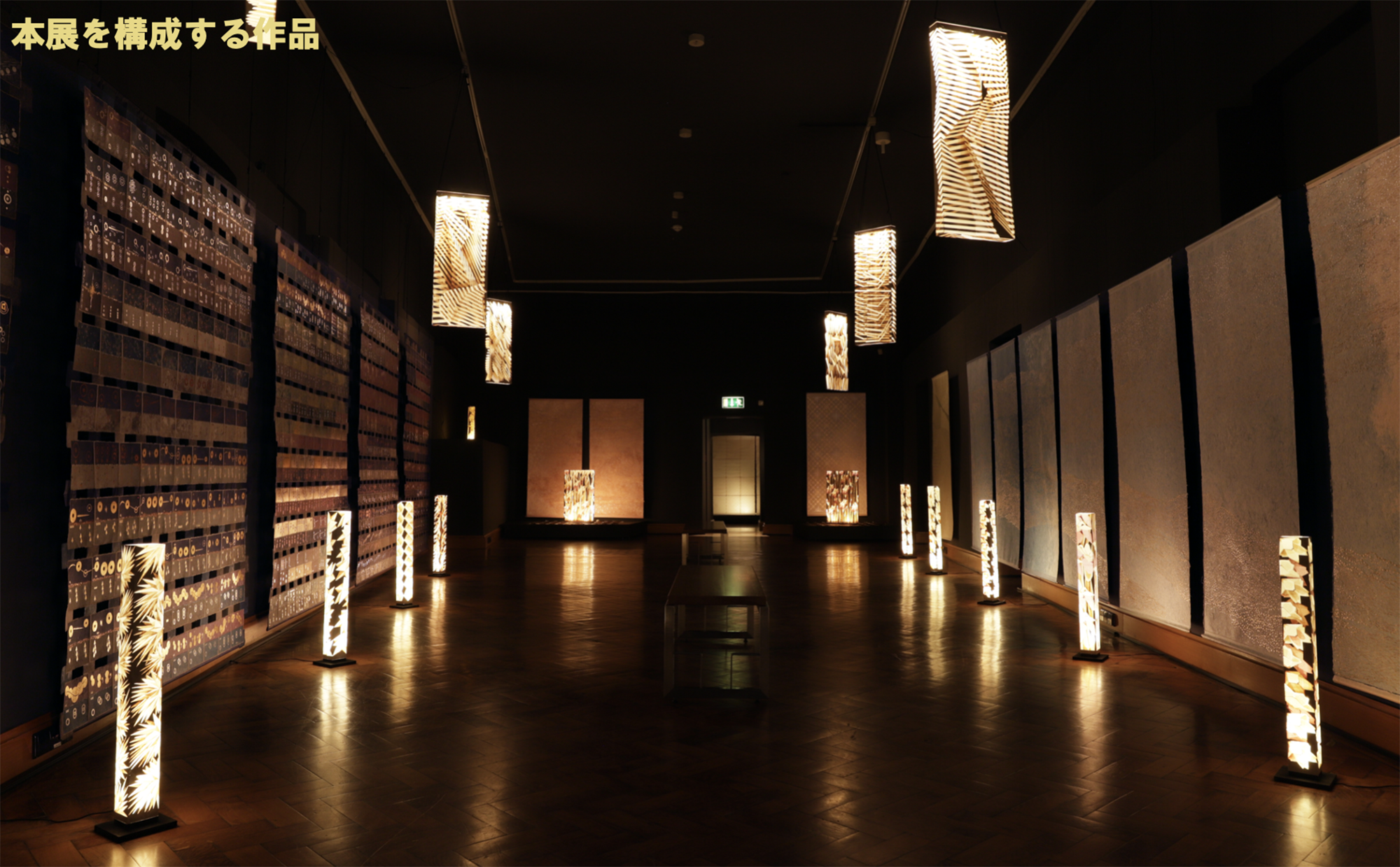
[Photo 36] Creating a dark space by painting the wall black and lighting the whole room just with the Japanese lanterns with washi papers.
“Lighting/Installation using Japanese washi paper” is a type of lighting that uses multiple layers of washi to create a mysterious three-dimensional effect due to the different shades of light that pass through it. When the interior lighting is turned on in a dark space, a complex three-dimensional effect appears, almost like a trompe l’oeil painting.
Gold leaf reflects the white light and the black darkness.
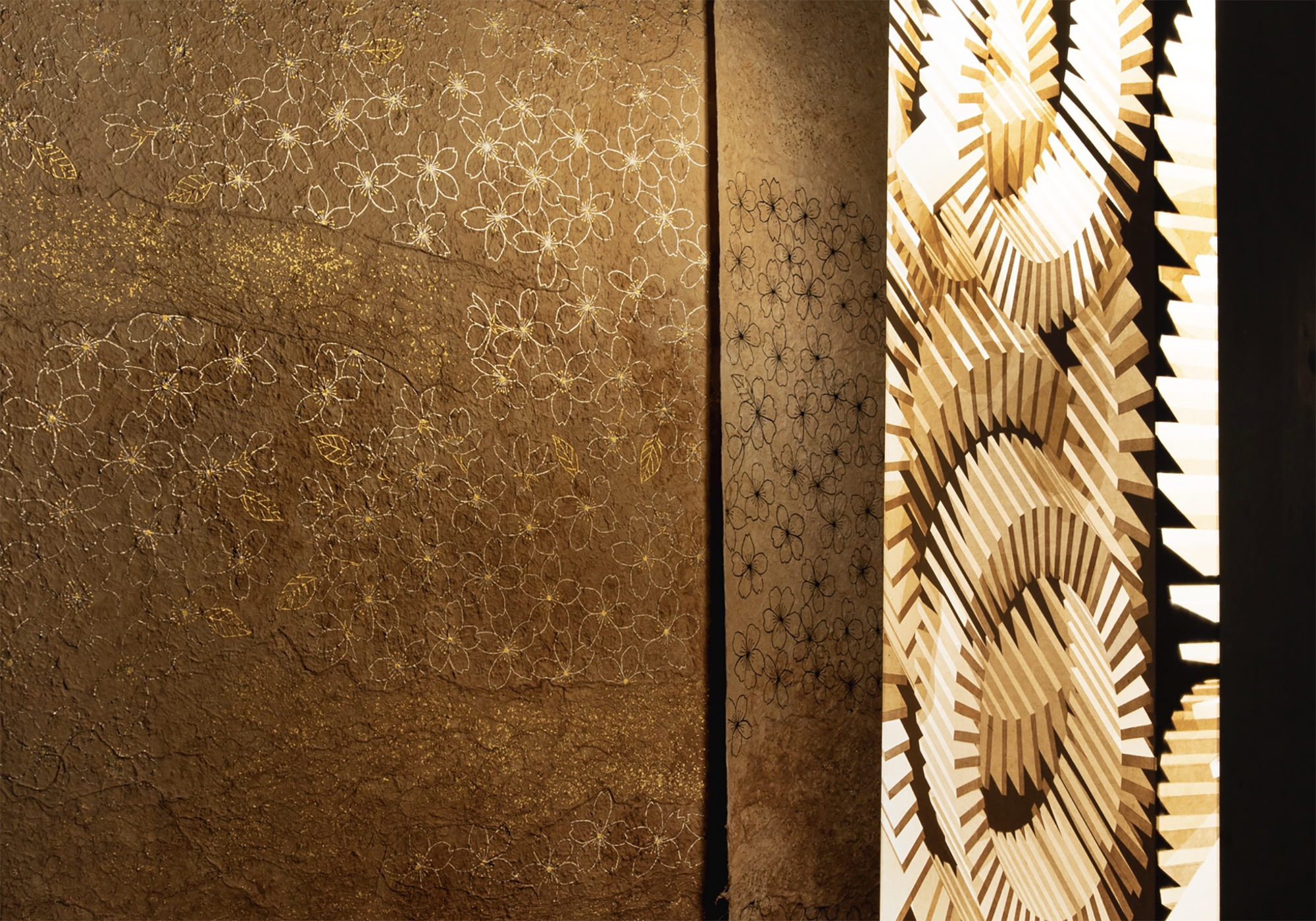
[Photo 37] The gold leaf reflects the white light and the black darkness depending on where you stand to look at it.
“Graphic music scores using Japanese paper techniques”is created by combining traditional and modern techniques on paper made by remaking old navy blue or purple paper, and is decorated with dyeing, printed foil, and woodblock decorations. This is a work that expresses a musical score. The theme is Strauss’s Beautiful Blue Danube.
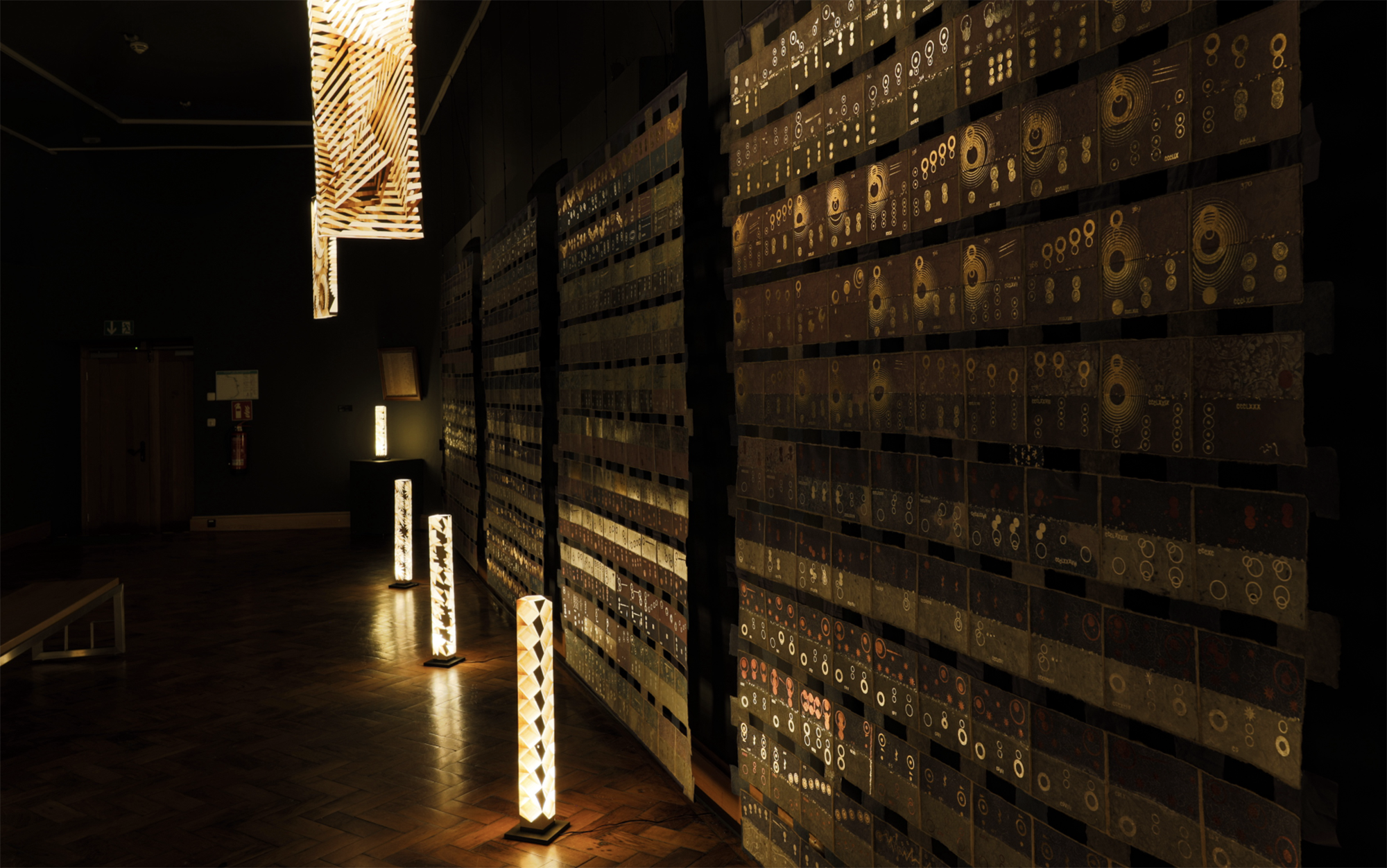
[Photo 38] An der schönen, blauen Donau, 2023 Koji Shibazaki
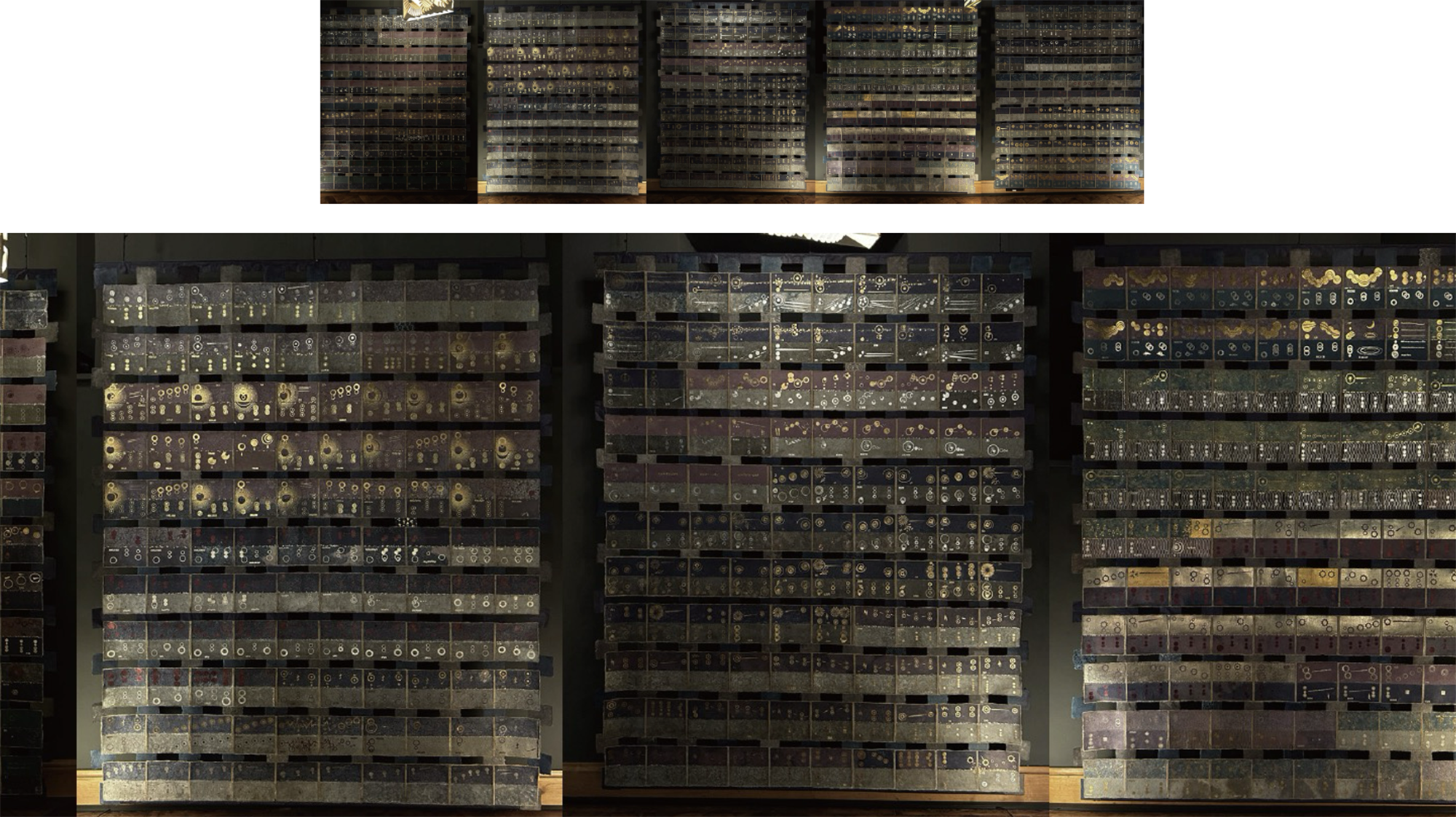
[Photo 39] An der schönen, blauen Donau, 2023 Koji Shibazaki
The arrangement of shapes, lines, and colors visually expresses the rhythm, tempo, and tone of music using washi techniques.
Since it’s a musical score, all the designs are different, but here we also use digital technology instead of woodblocks.
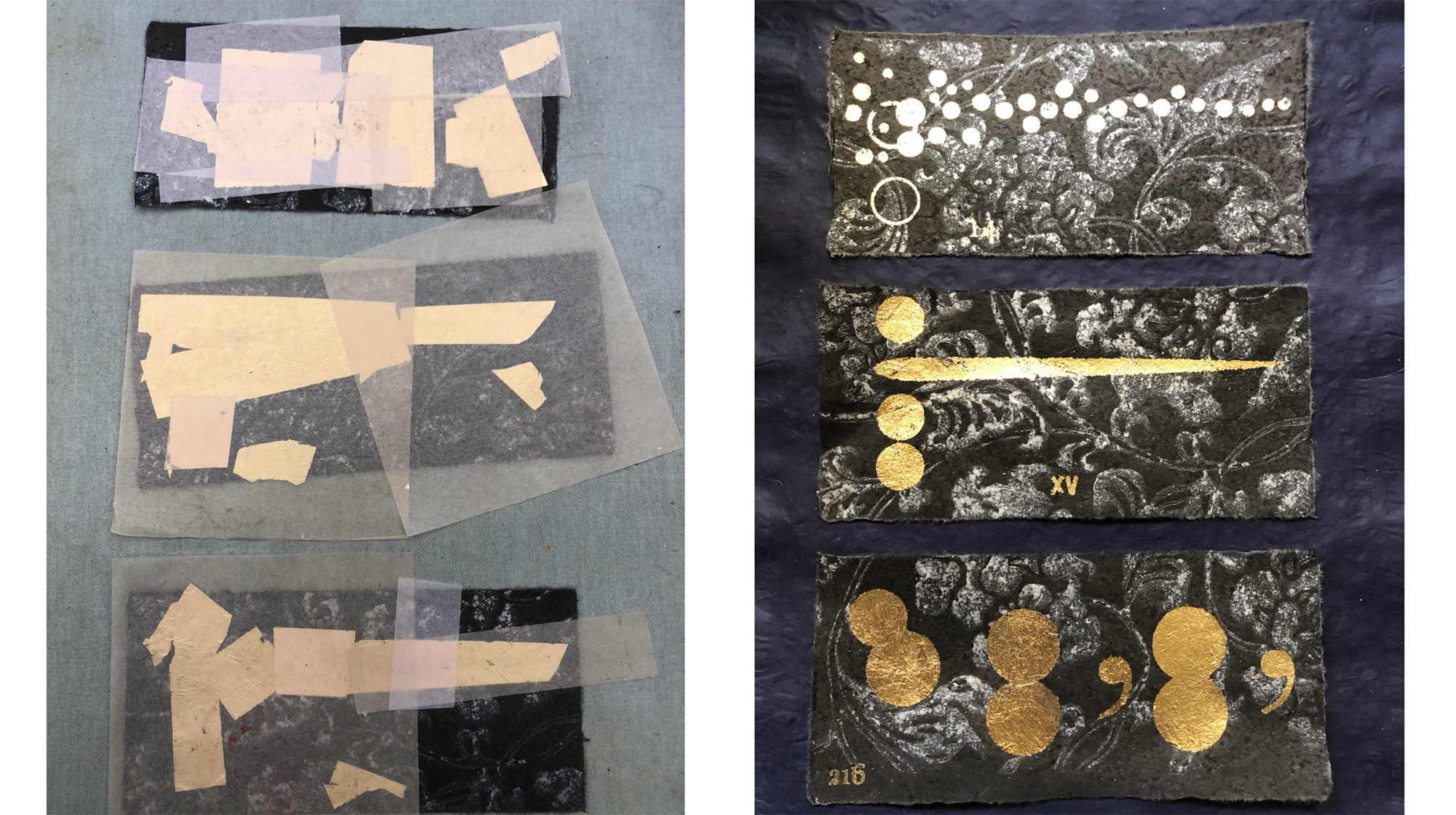
[Photo 40] The background contains a pattern printed with a woodblock.
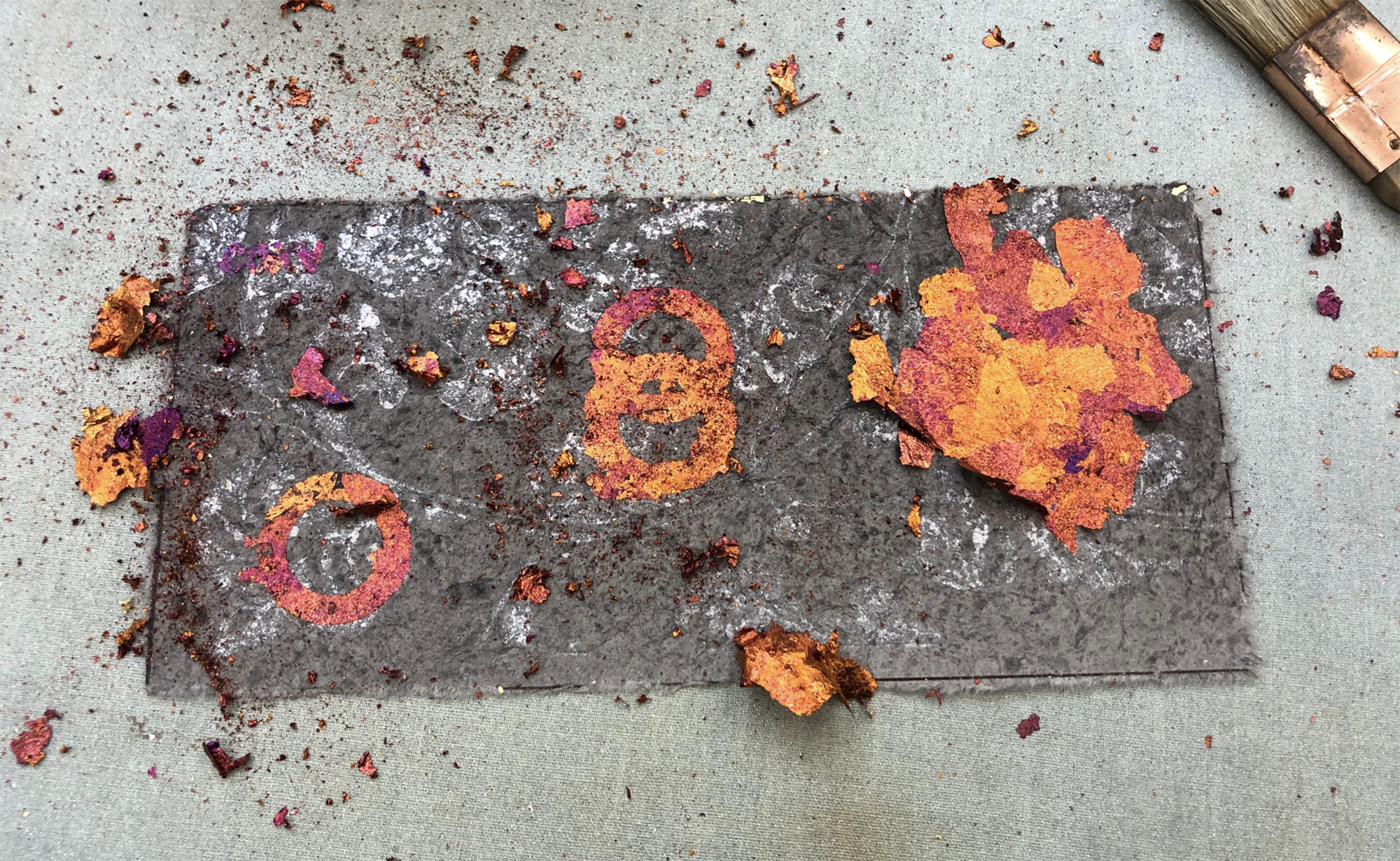
[Photo 41] This is how the silver leaf is removed
“Kyosai Kawanabe’s Chiyogami” exhibits examples of works such as “Karakami” and “Chiyogami,” which influenced the world as part of Japonism, were produced using advanced techniques from the Taisho to Showa periods. Although there is no name of the Chiyogami artist, this exhibition will display works that have the same design in the Isetatsu version of Kawanabe Kyosai’s “Chrysanthemum Zukushi.”
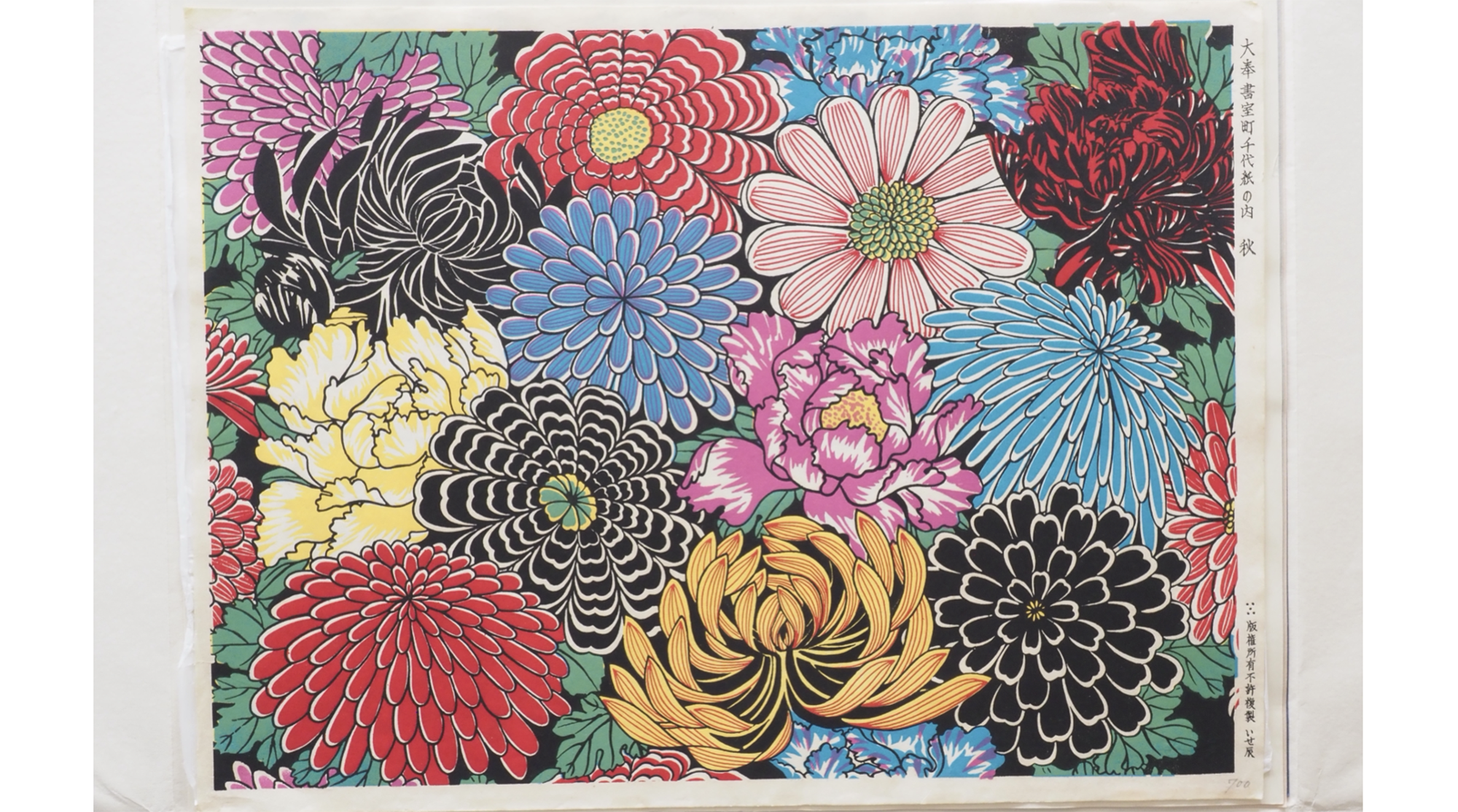
[Photo 42] Kyosai Kawanabe’s Chiyogami”
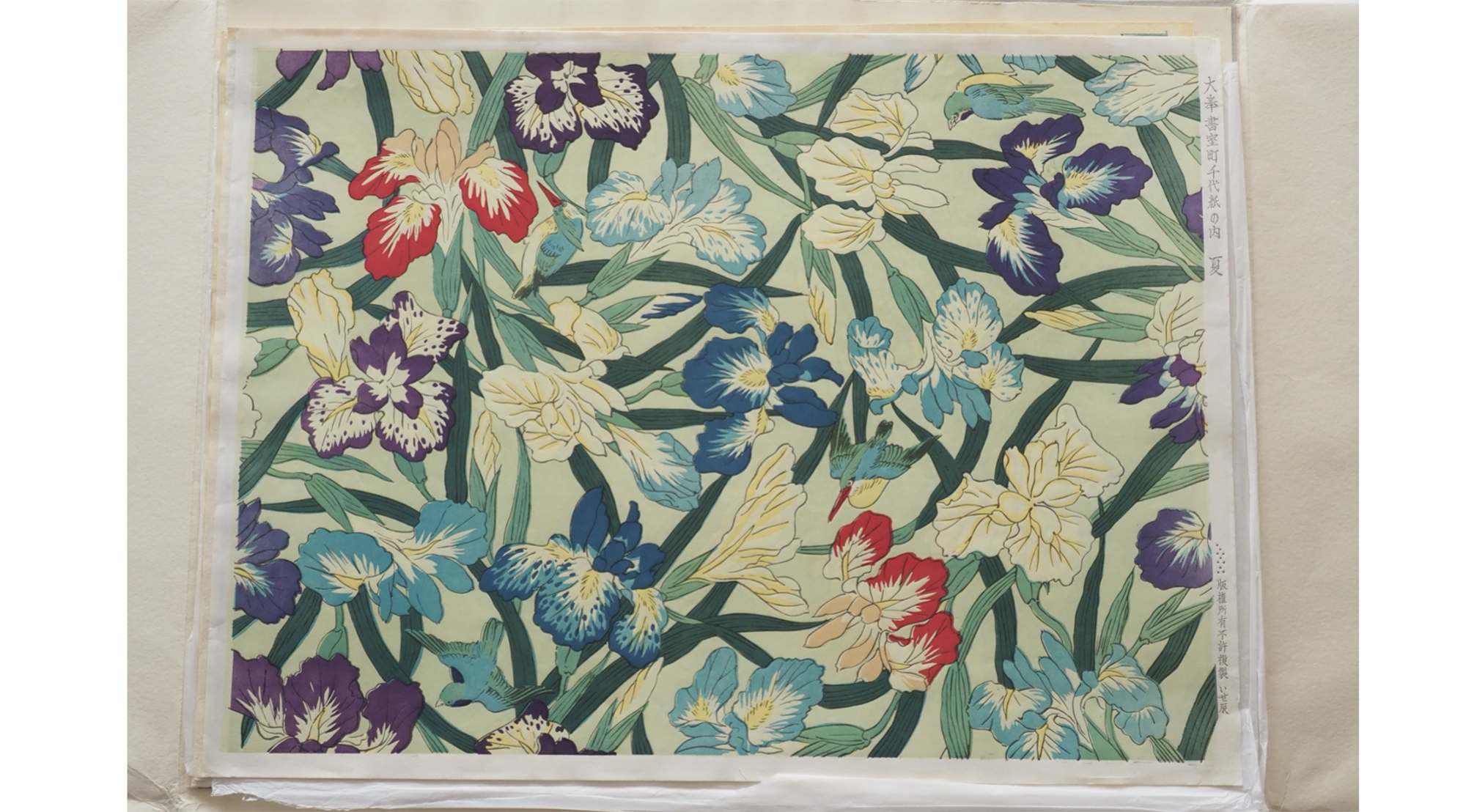
[Photo 43] Kyosai Kawanabe’s Chiyogami”
You can enjoy the delicate reflection of light that can only be seen in a dark space, using Japanese paper and mica printing.
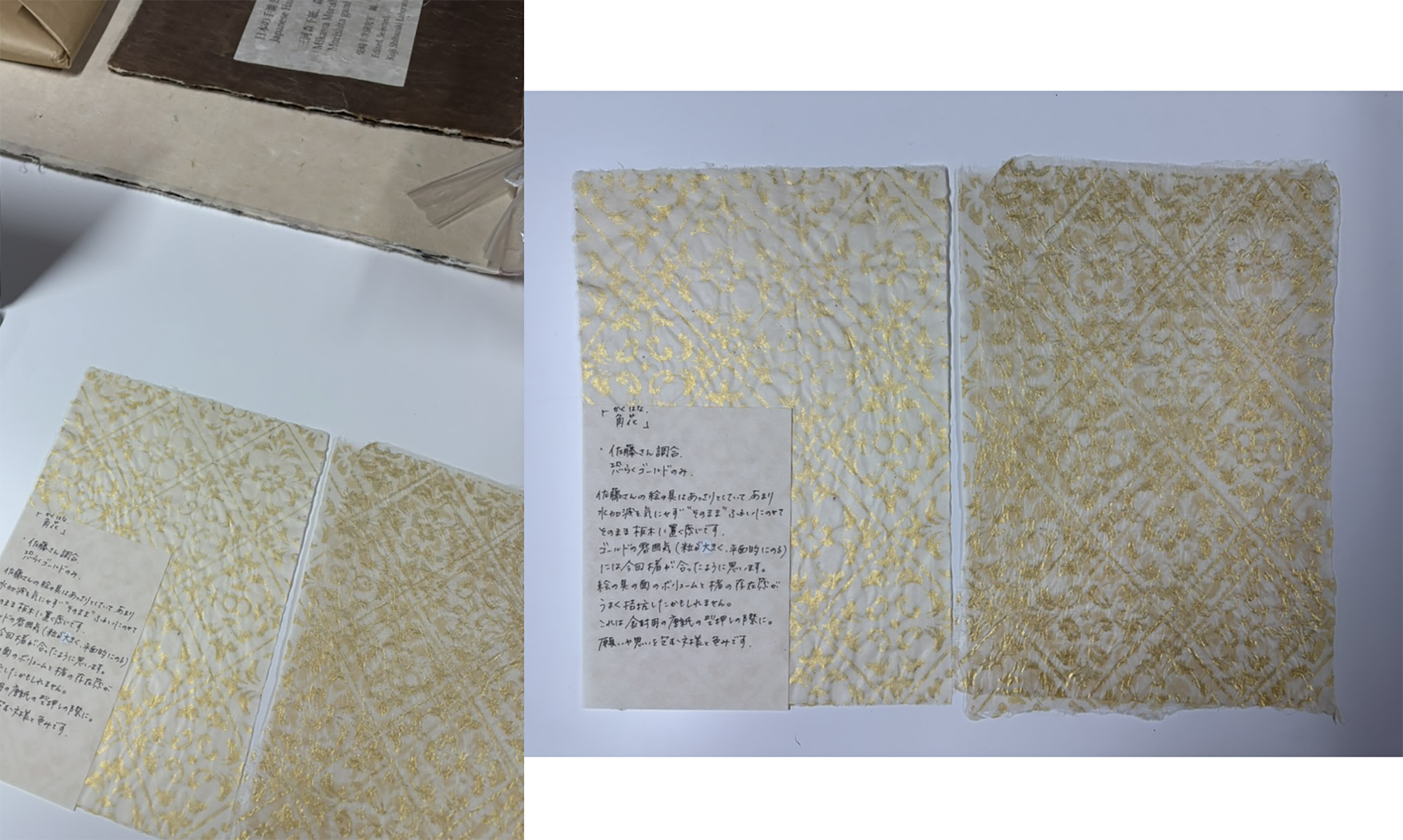
[Photo 44] Karakami printed on Washi, 2010 Tomoyasu Sato
The “Kinsai Works” utilize a variety of techniques such as “Kirikane”, “Kinkarakami”, “Haku Chirashi”, “Gold Painting”, and “Surihaku” to create a subtle and beautiful world of Japanese style that resonates with the light of the lighting. Masu.
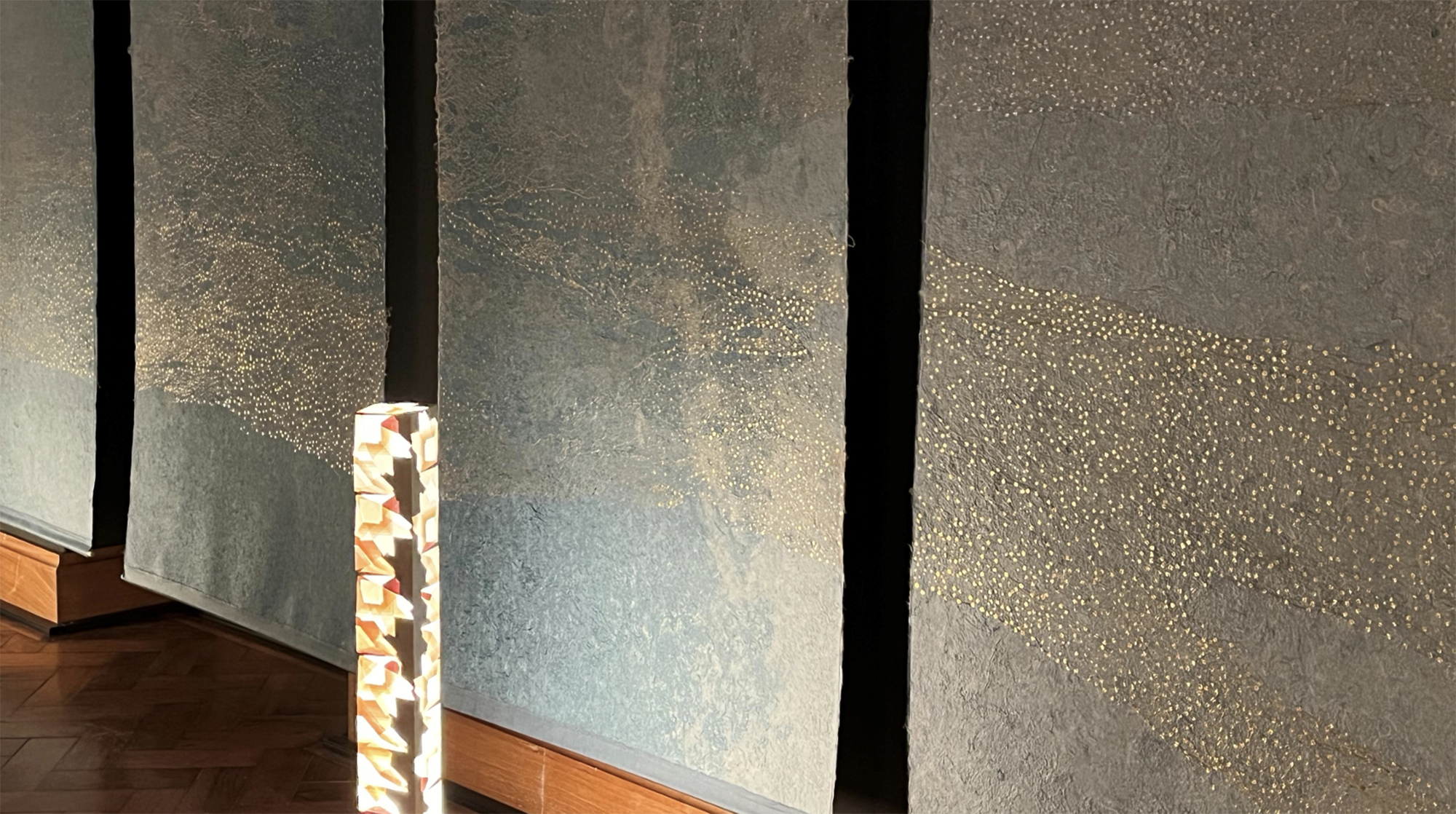
[Photo 45] der Fulss, 2023 Mikako Suzuki
Among them, “kirikane” is a traditional technique that only survives in Japan. Kirkane is the technique of pasting each piece of gold leaf that has been cut with a small bamboo knife.
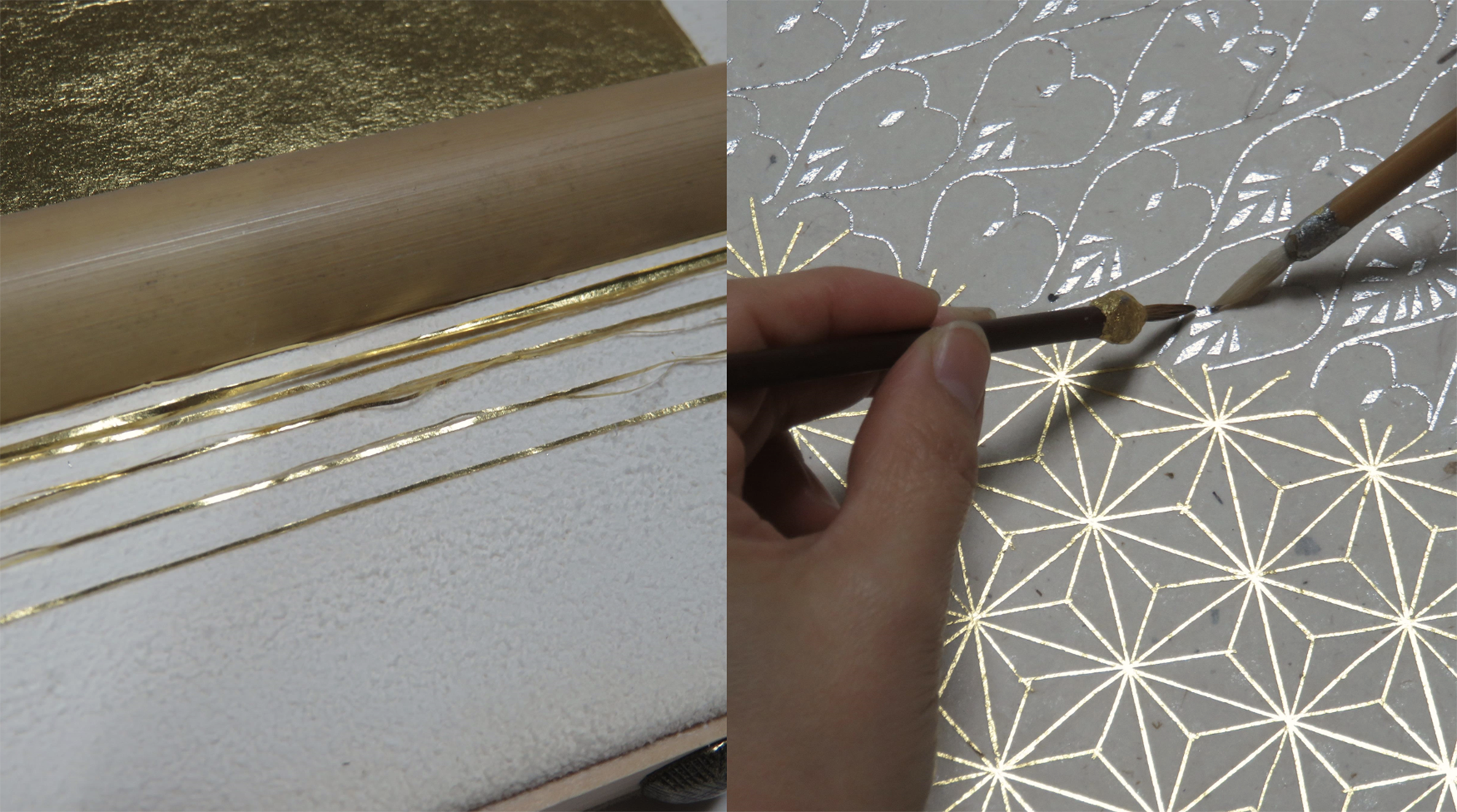
[Photo 46] The process of creating the art with the “kirikane” technique.
The “River” and “Cherry Blossom” tapestries are made from mulberry paper, dyed with indigo and cherry blossoms, made into paper, and pierced with kirikane.
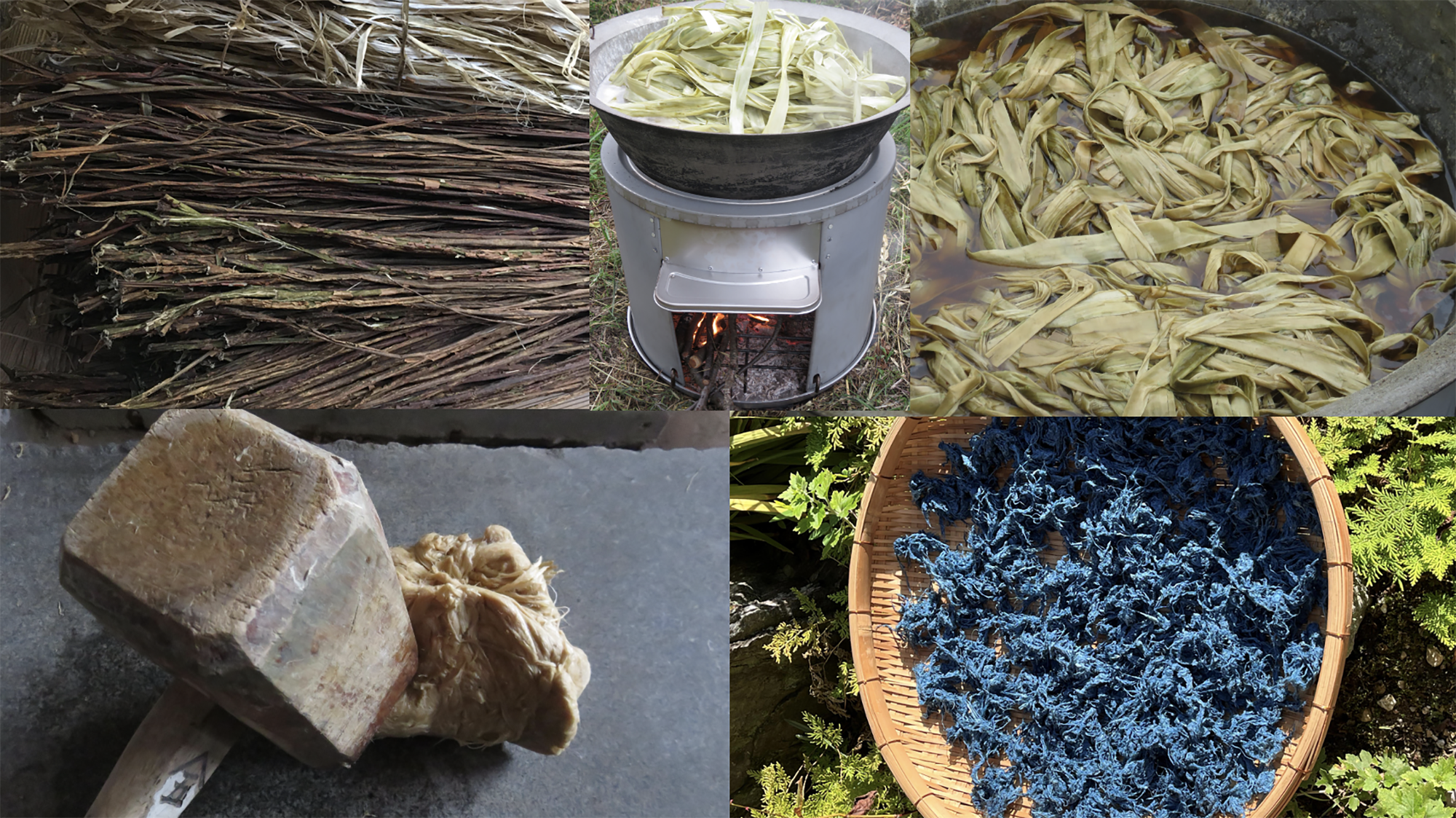
[Photo 47]
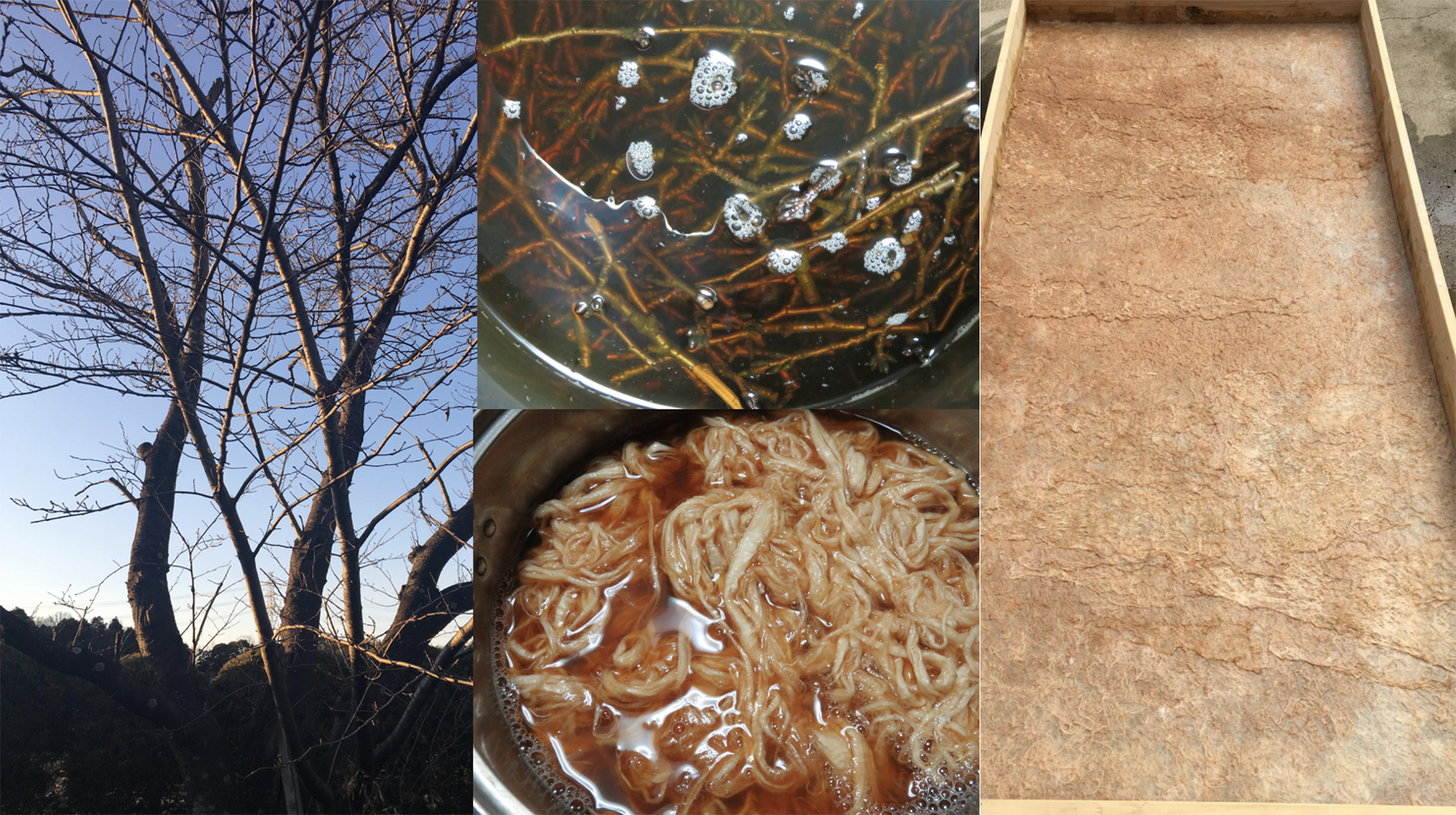
[Photo 48]
The strained mulberry fibers are likened to the flow of a river, and the large and small round platinum foils are likened to bubbles or water droplets that appear and disappear.
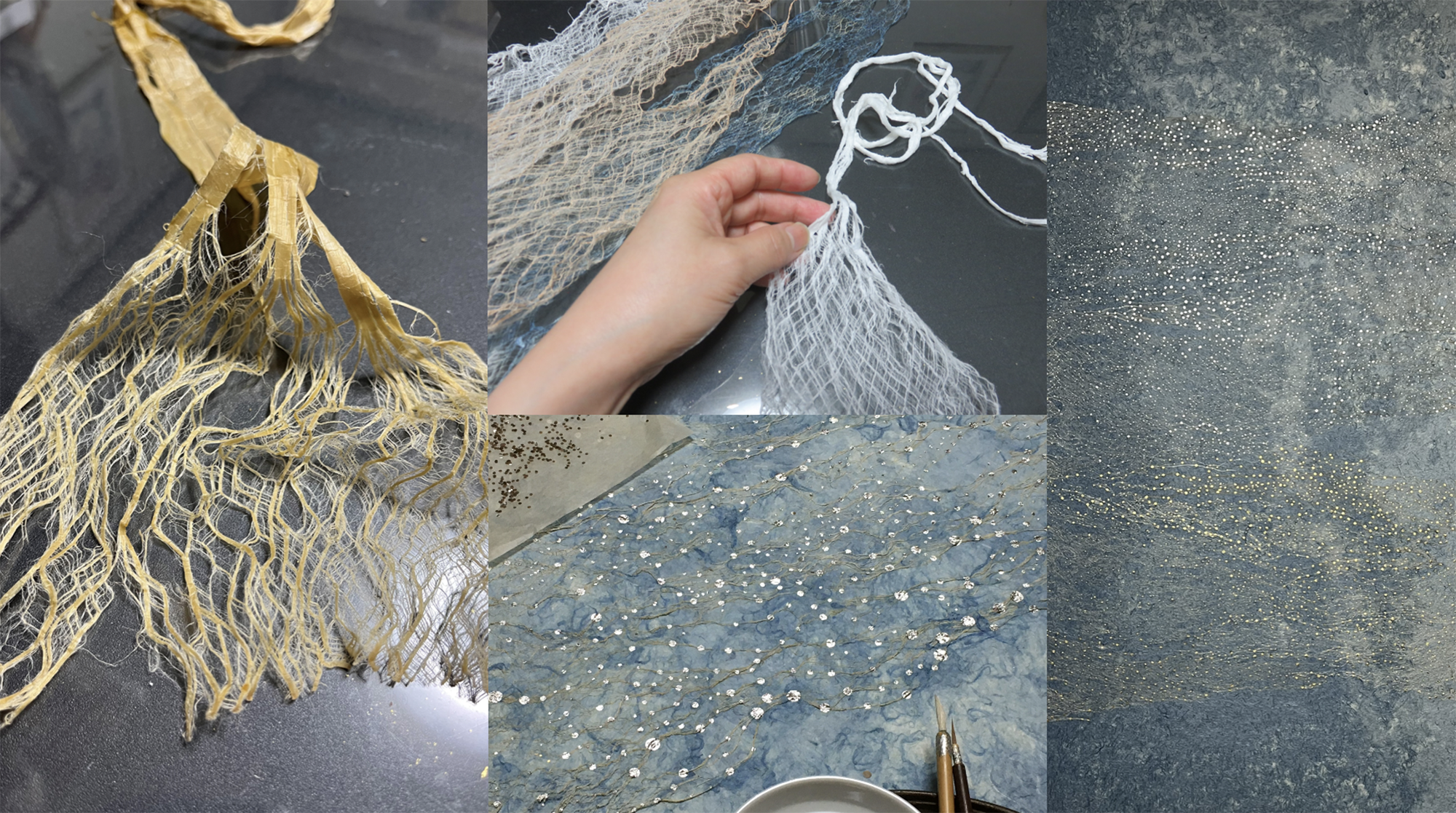
[Photo 49] Kozo mixed into paperz
The works of“Tsugikami” create a delicate beauty through the combination of colors dyed with plants, the luster of the paper, and decorations made with woodblocks, expressing a graceful and elegant sensibility.
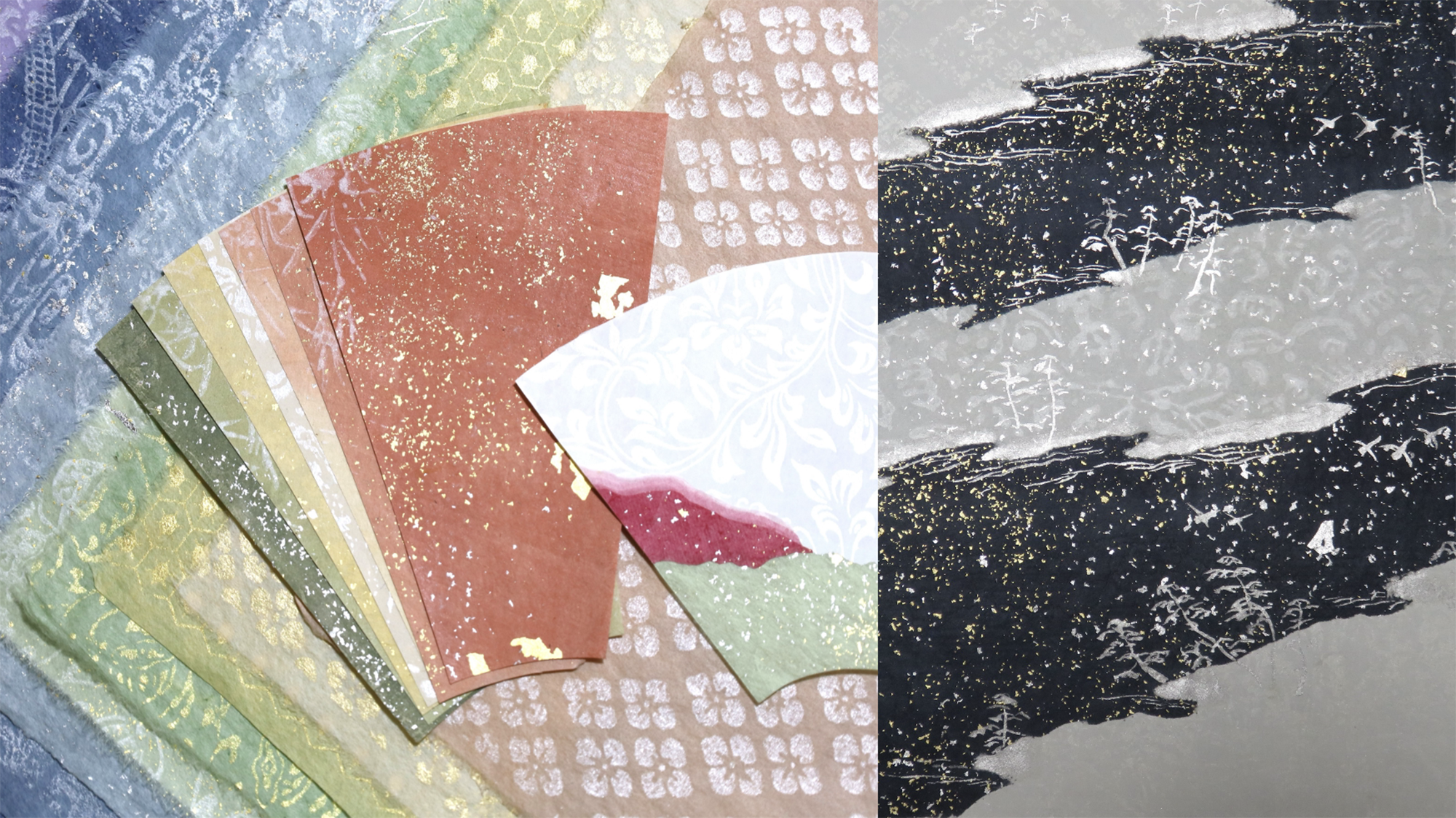
[Photo 50] Tsugikami and Haku-chirashi 2023 Mikako Suzuki
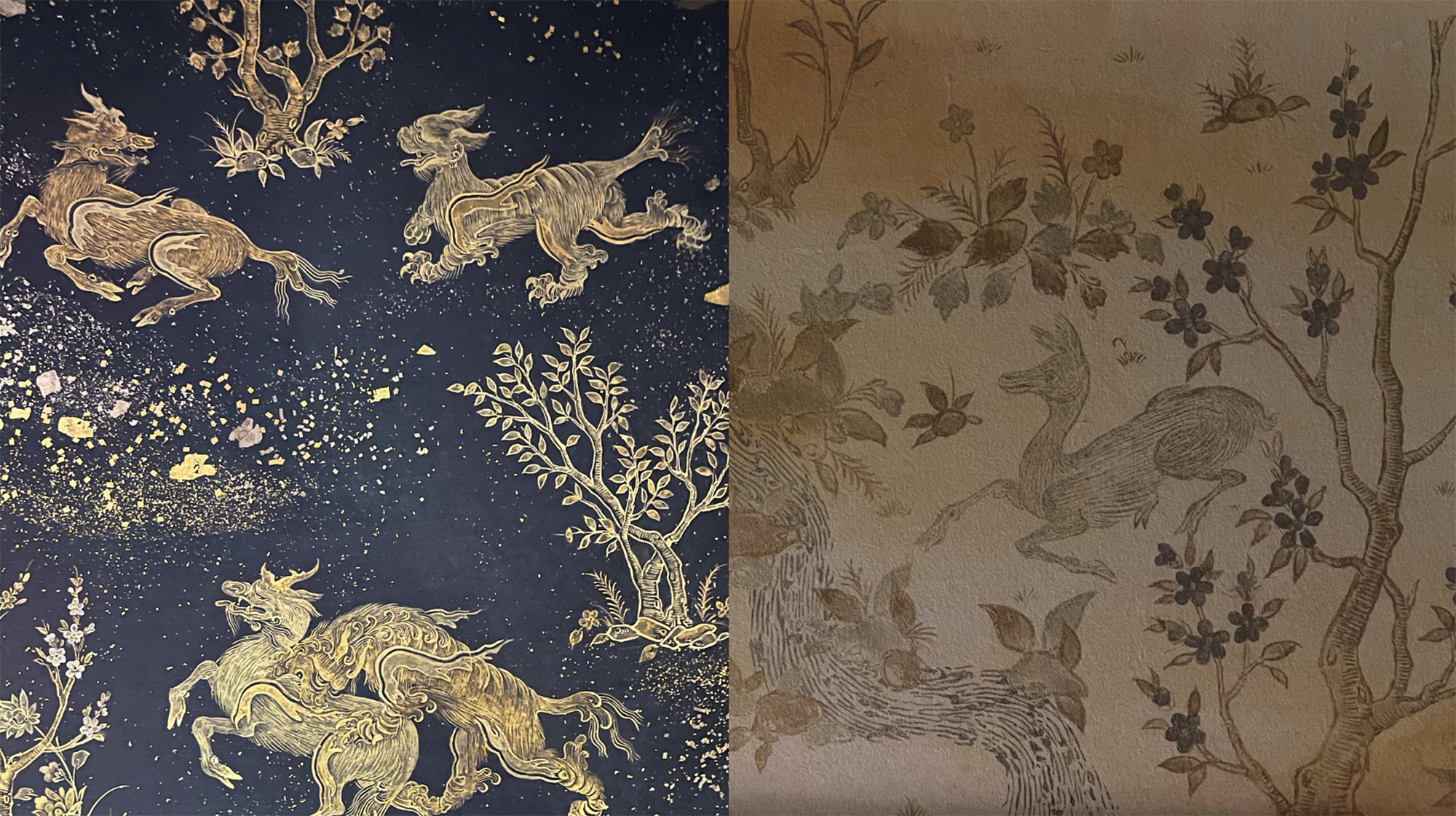
[Photo 51] Gold painting 2023 Mikako Suzuki
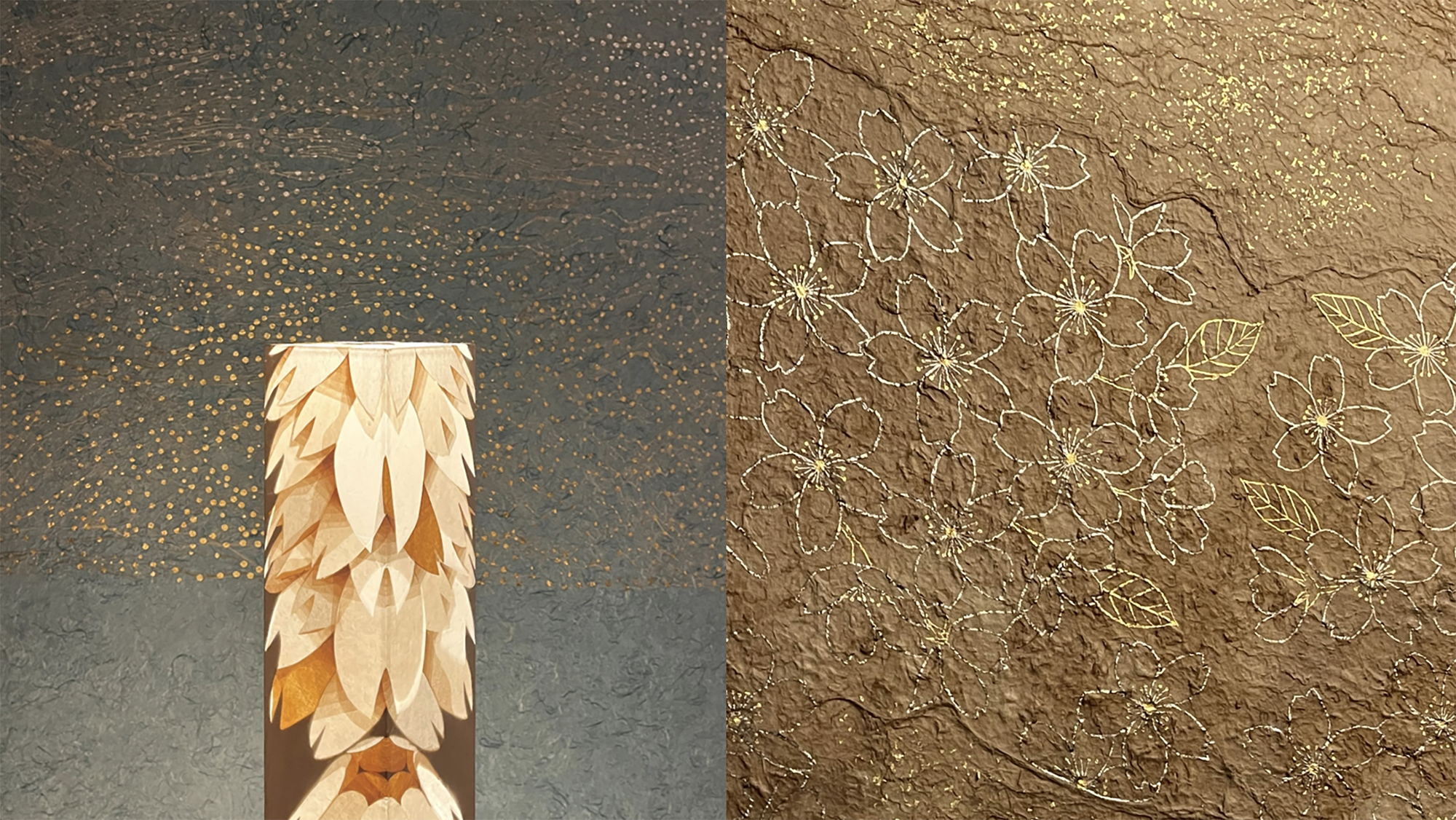
[Photo 52] Algorithmic Natural 1 2017 Koji Shibazaki,Sakura 2023 Mikako Suzuki
“Tatsukichi’s Creative Dyeing Design Collection and Homage” features the “Tatsuyoshi Creative Dyeing and Weaving Design Collection” published in 1933 by Tatsukichi Fujii, an author who was active in the early days of Japanese design.
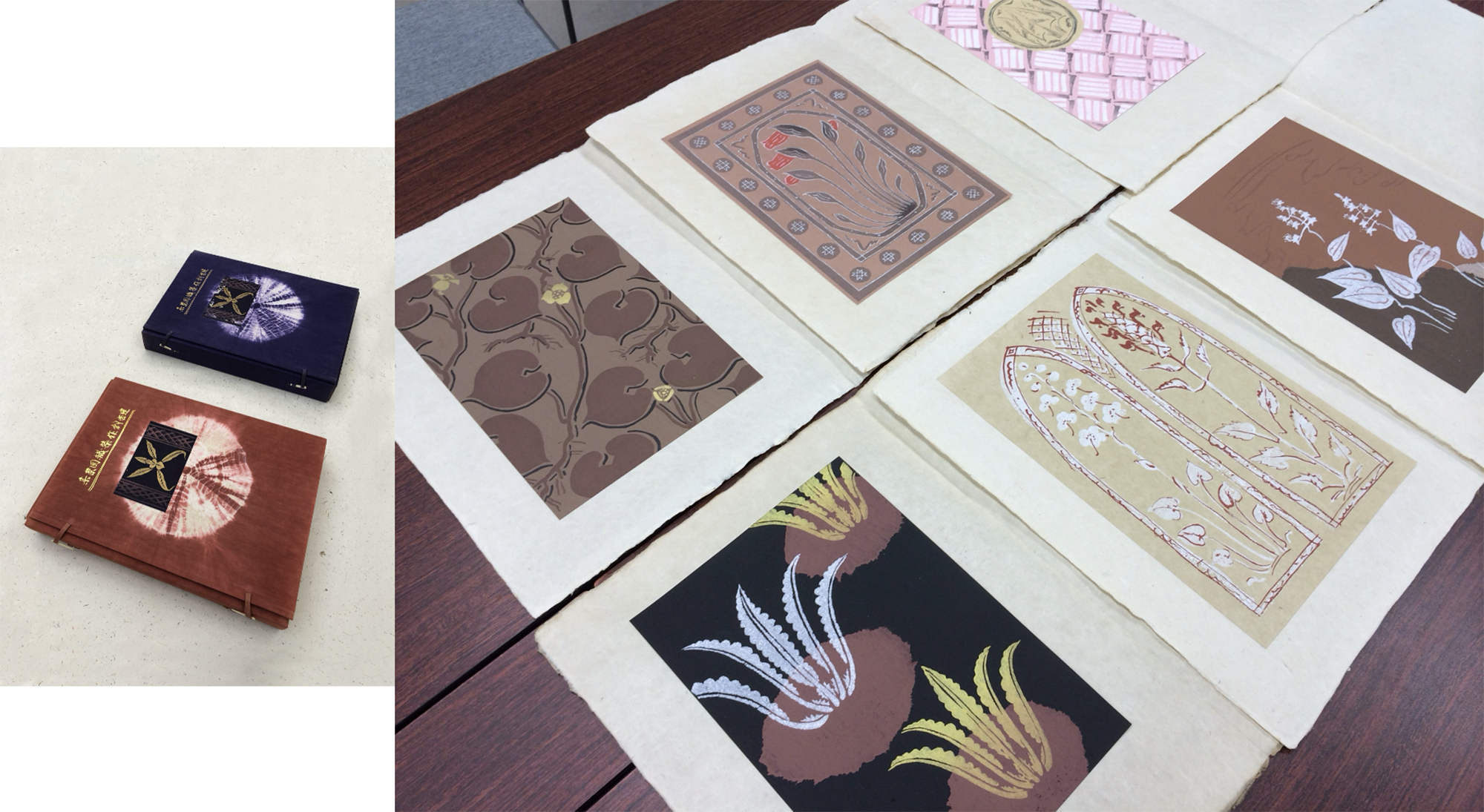
[Photo 53] “Tatsukichi Creative Dyeing and Weaving Design Collection” by Tatsukichi Fujii, published in 1933 (Private Collection).
This collection of designs contains 50 simple and powerful designs based on nature. In the homage work, the design is expressed with kirikane, and the nature of Ohara created by Mr. Fujii is drawn in the margin.
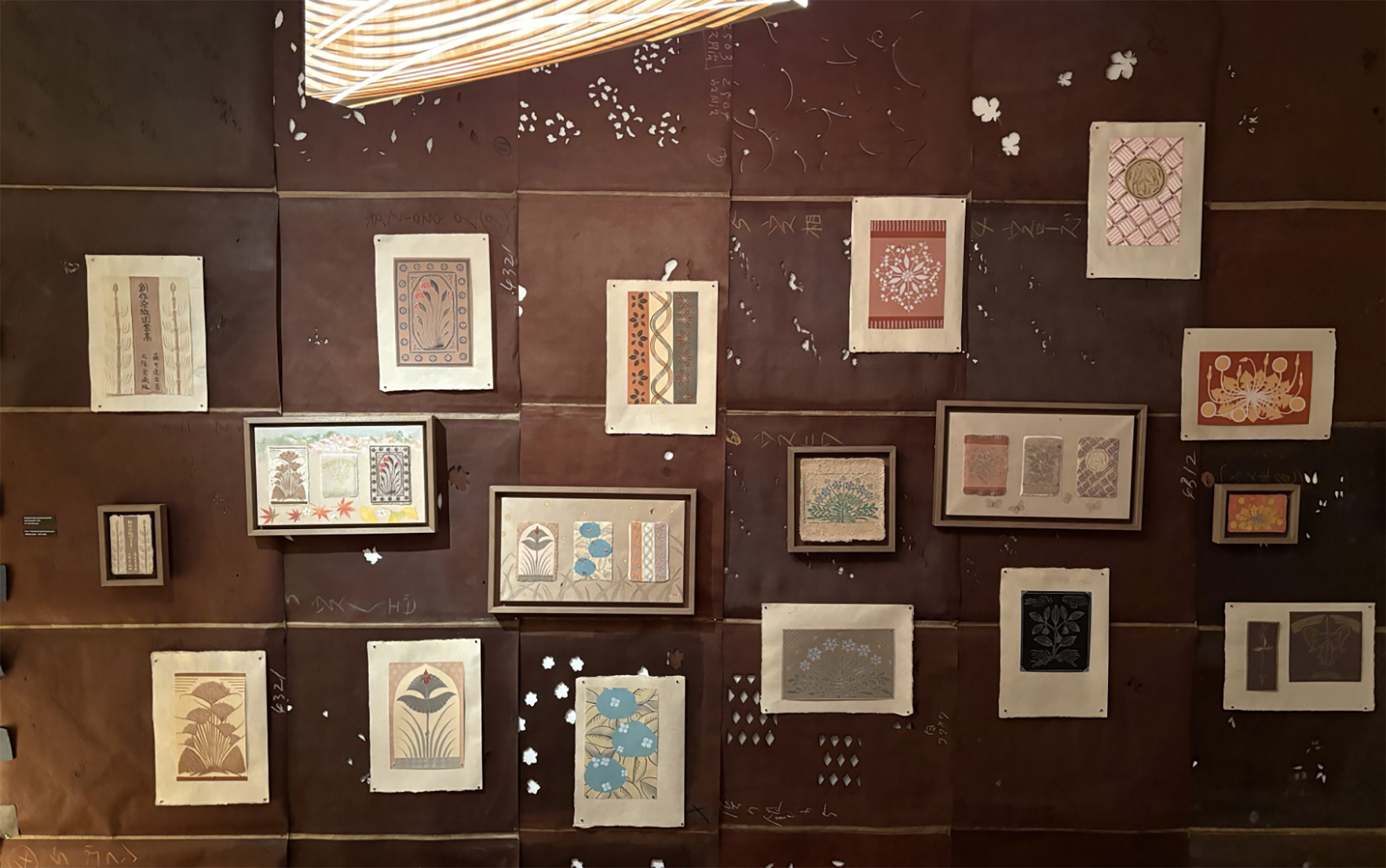
[Photo 54] From“Tatsukichi Fujii Senshokuzuan” 2018-2022 Mikako Suzuki
“Old Patterns” uses patterns from a Yuzen dyeing workshop that went out of business last year. The patterns that were originally supposed to be discarded are turned into tapestries that cover most of the walls of the gallery. This tapestry is an attempt to darken the exhibition hall, creating an emotion connected to “sabi” and the interest and contrast that can be seen through the patterns of the paper patterns.
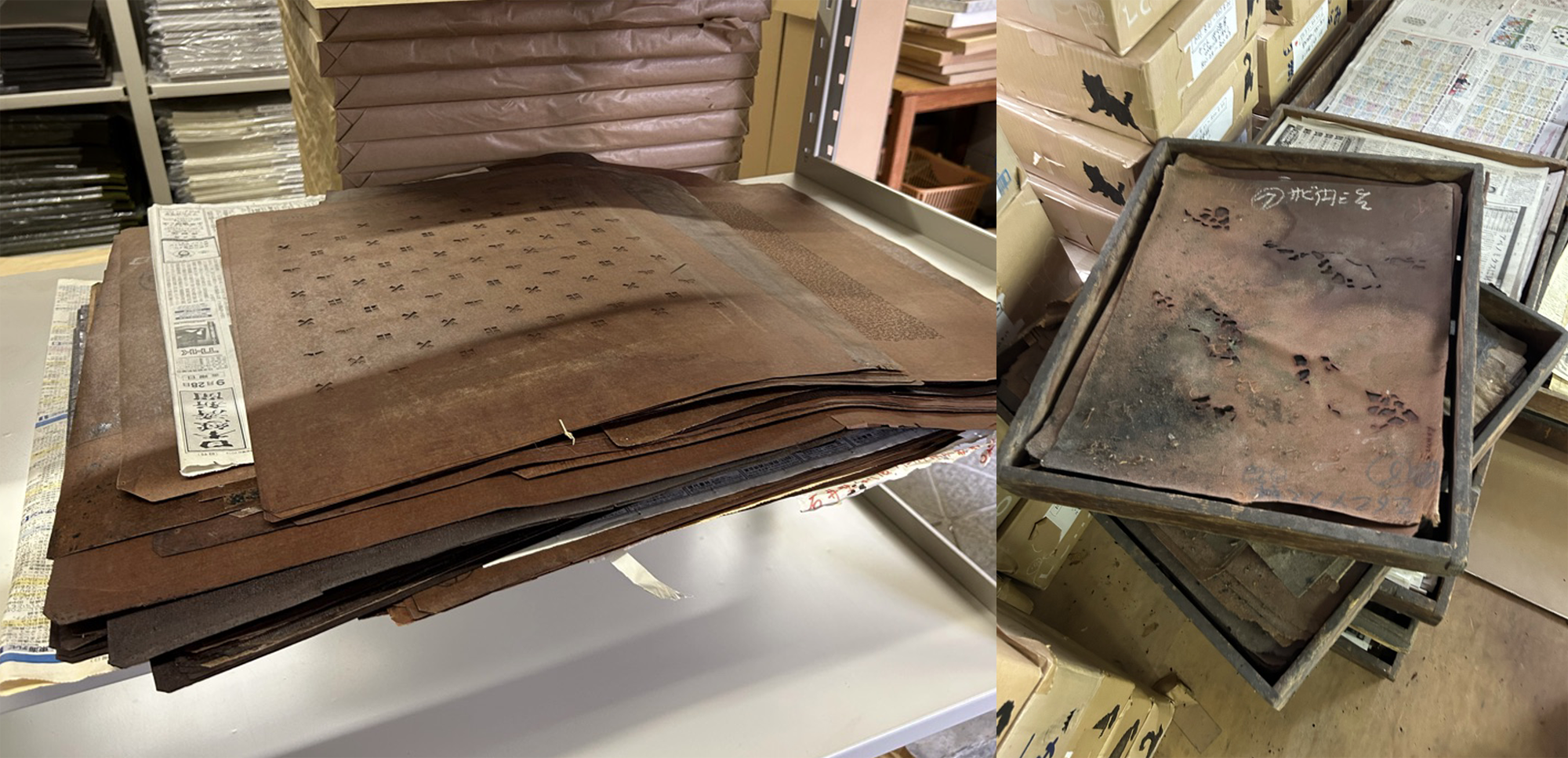
[Photo 55] “Old Pattern Papers”
“Washi Accessories and Objects” exhibits works that express the sustainability of washi and represent the future of the artistic context brought about by washi.
The material is paper that was born from an initiative to “make washi (paper) from waste.” It is based on the aesthetic sense discovered through the process of repeatedly recycling paper, such as “sukikaeshi,” and through this cycle, it is sustainable. They are accessories and objects that can be worn as the smallest form of sensibility possible. These works have hidden stories created from discarded items.
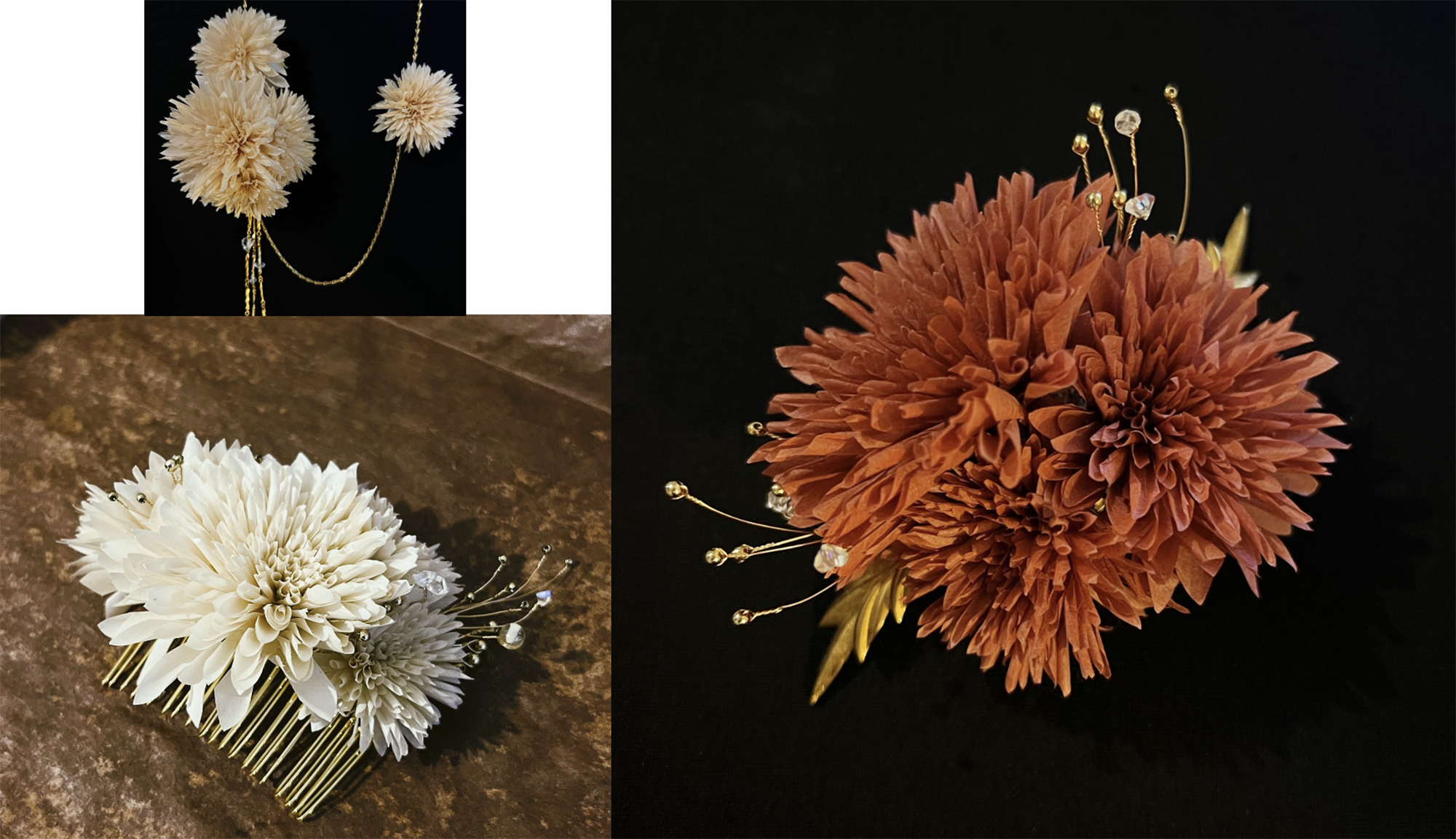
[Photo 56] Chrysanthemum flower broach 2025 Kanae Minamitsuji
As one of the possibilities of washi paper, we are starting to create new, sustainable paper and create works by making paper from waste materials.
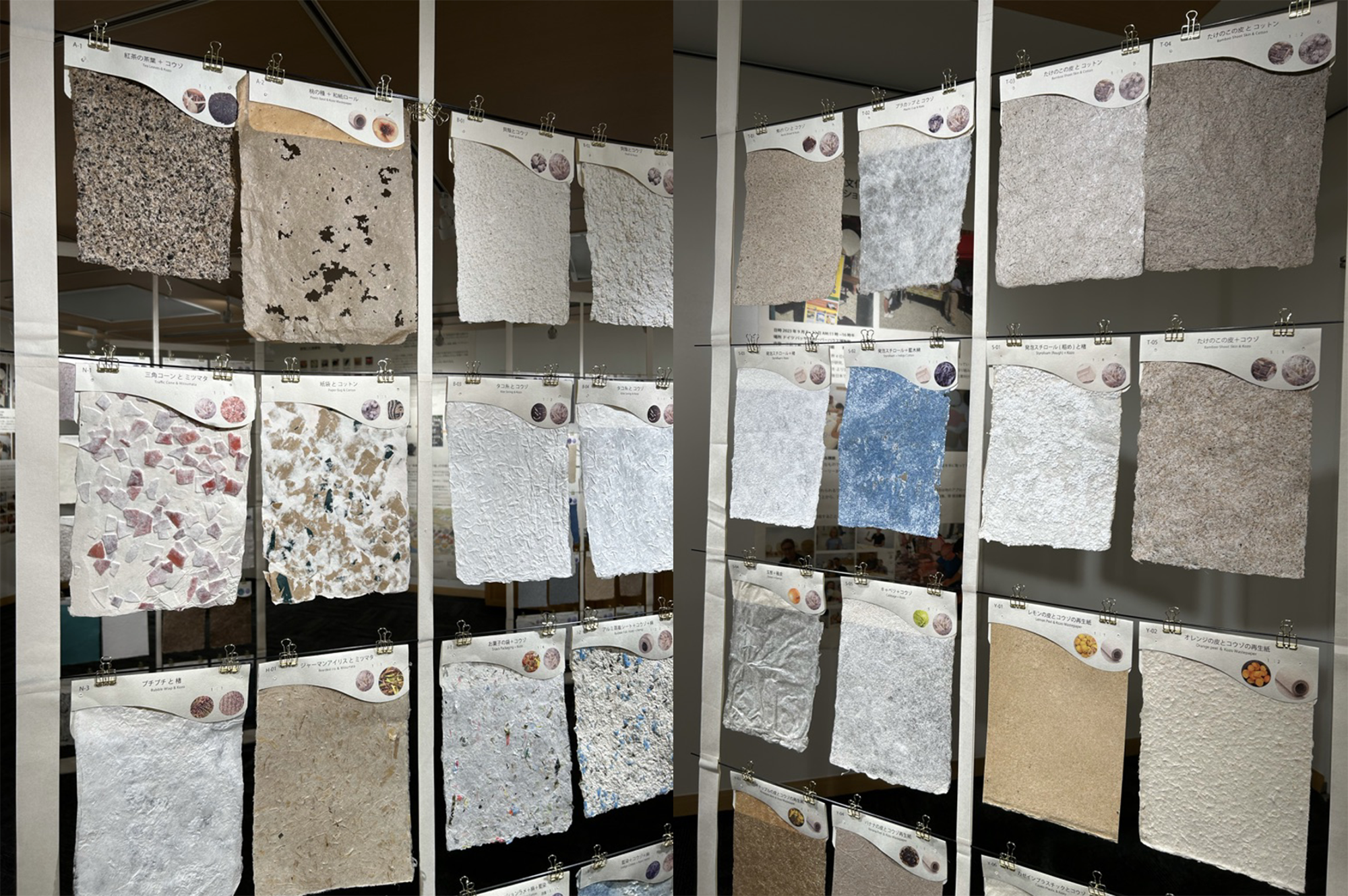
[Photo 57] Papierherstellung aus Abfall + Abfall,2024 Koji Shibazaki
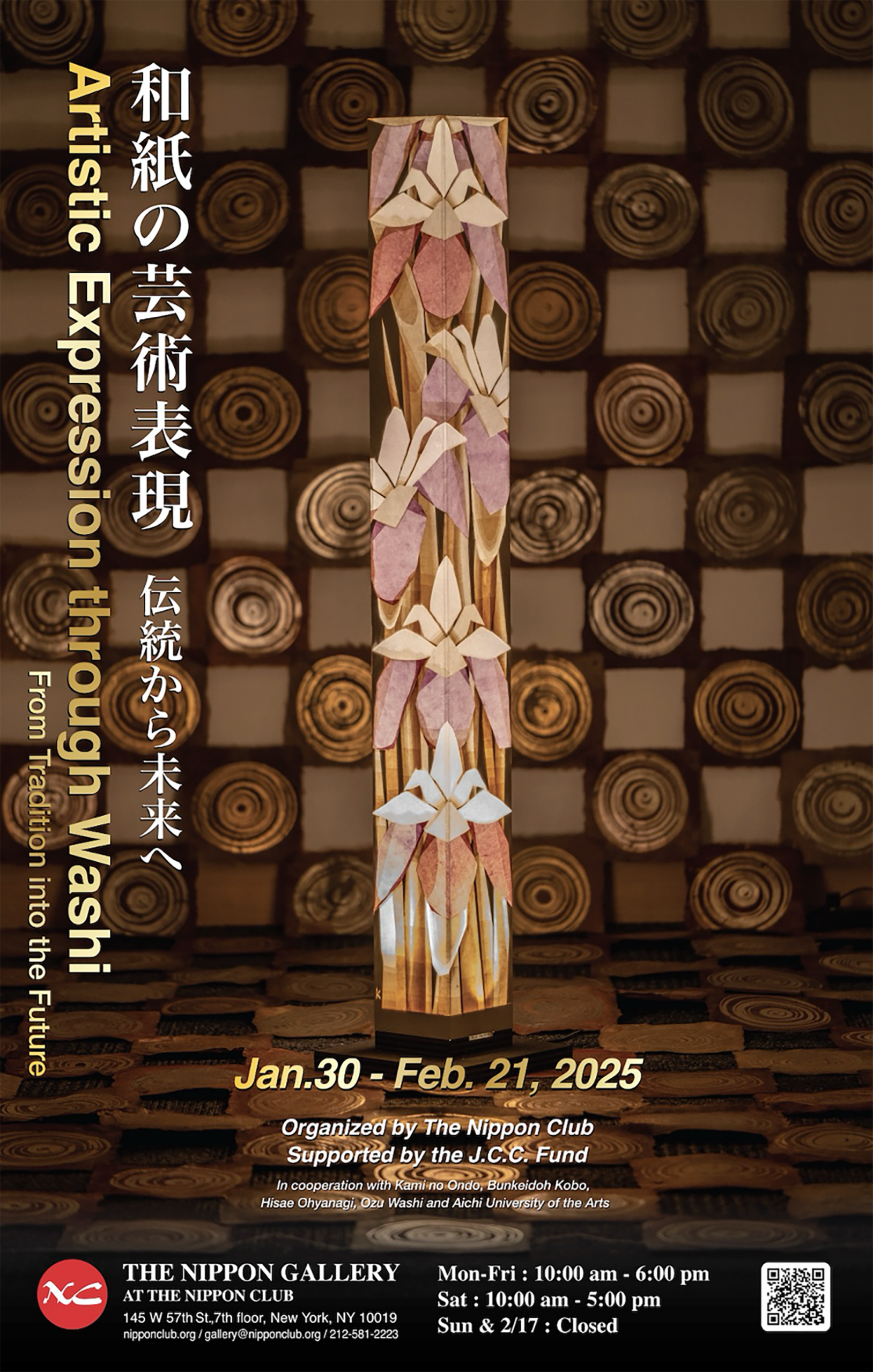
Lastly, this exhibition’s flyer shows a photo of “Ko-oni (Small Demon / Demon Child)” During the exhibition period (January-February), we celebrate Setsubun in Japan. That is the reason we chose to display this artwork which has a hidden small oni (demon).
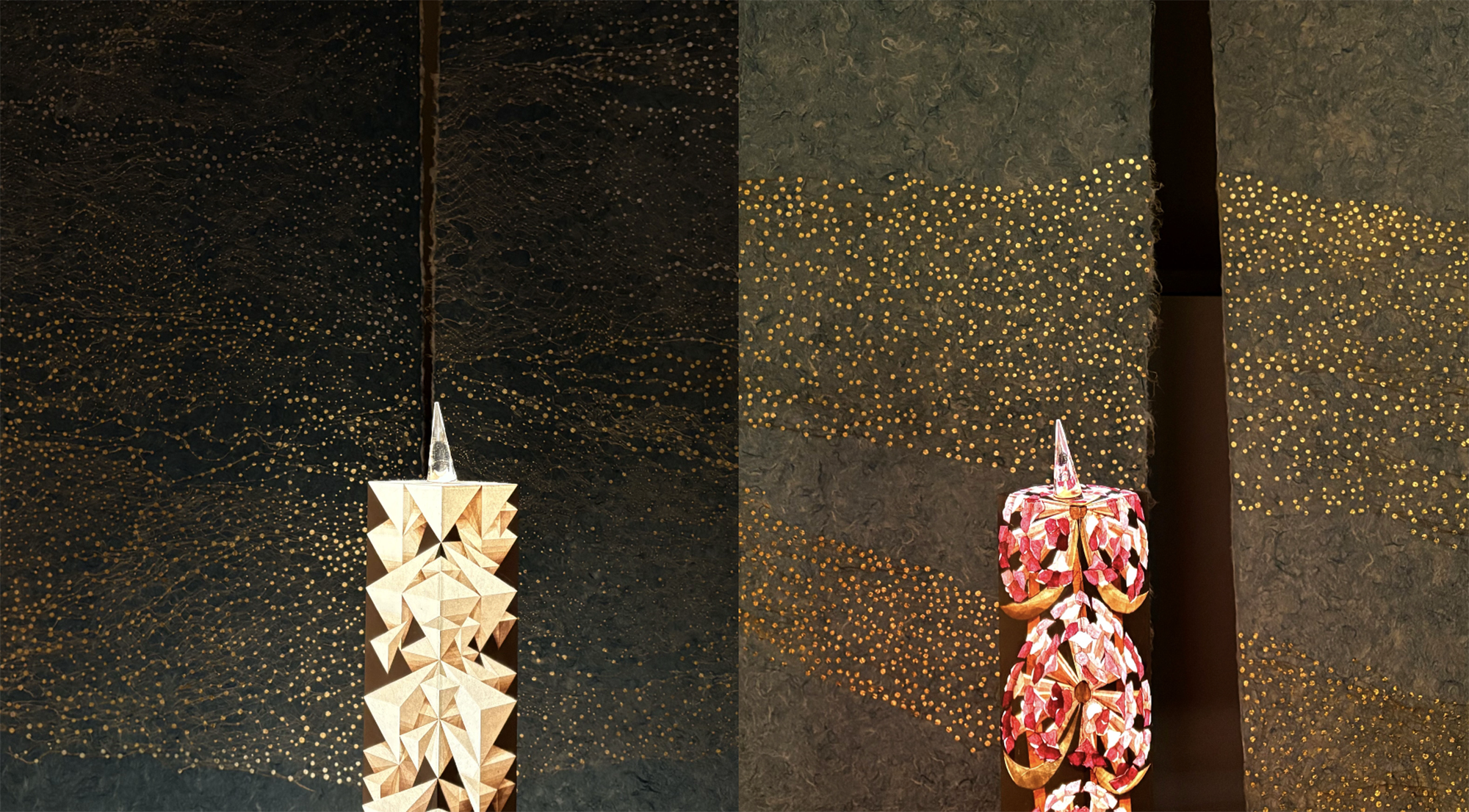
[Photo 58] Composition of Various TrianglesⅠand Red oriental paperbush, 2015 Koji Shibazaki
In addition to this New York exhibition, I have also exhibited in Japan and Germany using this dark space exhibition style, and one memorable episode occurred at the previous exhibition in Germany. One family visited, and one child looked at the exhibition with great interest for a long time. When I asked his mother why he was looking at the exhibition so intently, she told me that it reminded him of the dark scenes that appeared in Japanese anime.
Please enjoy the exhibition. We hope that you feel the warmth looking at these soft lights in this cold season.
Artistic Expression through Washi
From Tradition into the Future
和紙の芸術表現 伝統から未来へ
THE NIPPON GALLERY AT THE NIPPON CLUB
Jan.30 – Feb. 21, 2025
Organized by: The Nippon Club
Supported by: J.C.C. Fund
In cooperation with Kami no Ondo, Bunkeidoh Kobo & Hisae Ohyanagi, Ozu Washi, Aichi University of the Arts
Supervised by: Koji Shibazaki
Curated by: Shoko Hayashi
Principal exhibiting artists: Koji Shibazaki, Mikako Suzuki, Kanae Minamitsuji and Tomoyasu Sato
Translation by Yui Kitamura